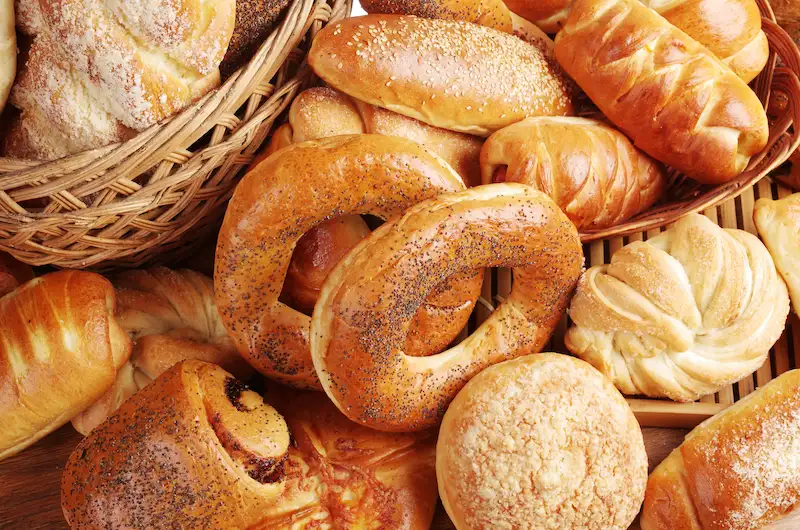
Enhance texture, structure, and shelf life in baked goods.
Reduce sugar in beverages while maintaining flavor.
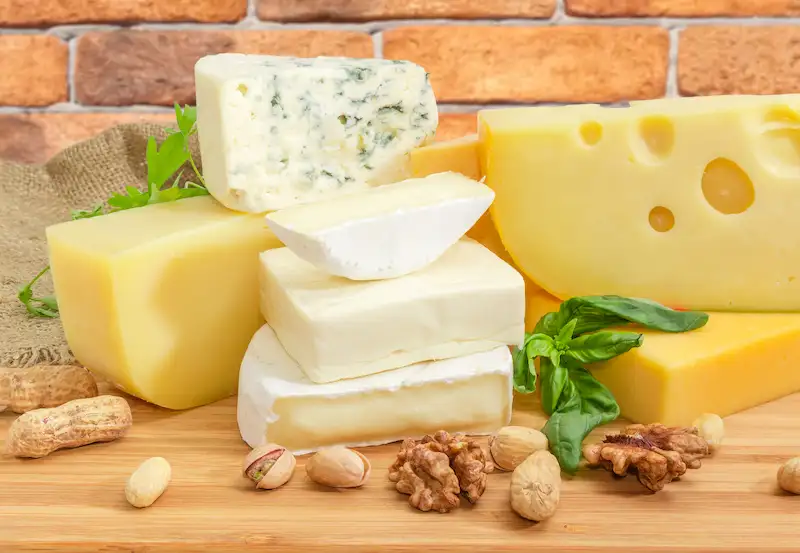
Replace sugar while maintaining creamy dairy texture.
Reduce calories in gummies, candies, and chocolate.
Improve binding, viscosity, and body in savory foods.
Ingredients supporting daily nutrition and wellness needs.
Supplement nutrition in animal feed and pet diets.
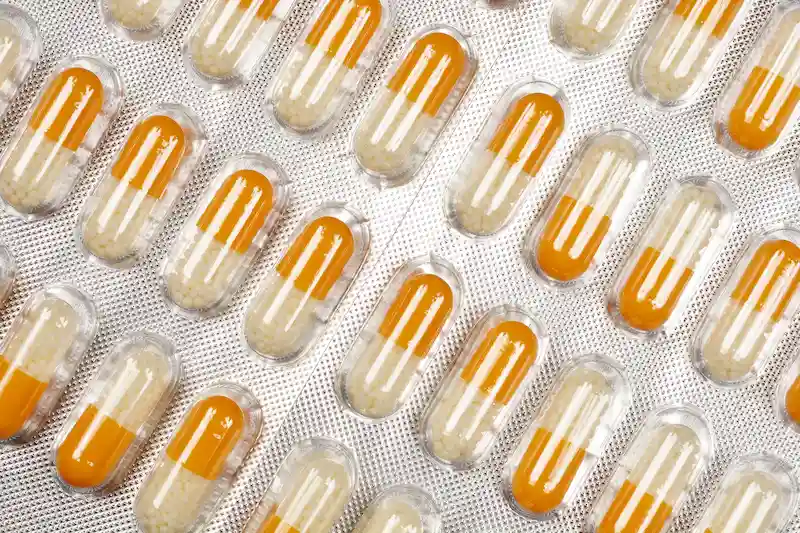
Serve as excipients in pharmaceutical and industrial processing.
Reduce sugar while maintaining sweetness, texture, and stability.
Prebiotic solutions supporting gut health and tolerance.
Enhance nutrition with science-backed functional ingredients.
Improve structure, mouthfeel, and stability in plant-based systems.
Customized ingredients to match your formulation needs.
Large-scale, stable, and automated production capabilities.
Full-process quality control meeting global standards.
Fast response and technical support you can rely on.
Industry insights, formulation trends, and knowledge sharing.
Company updates and latest developments.
Product, application, and factory-related videos.
Quick answers to common product and service questions.
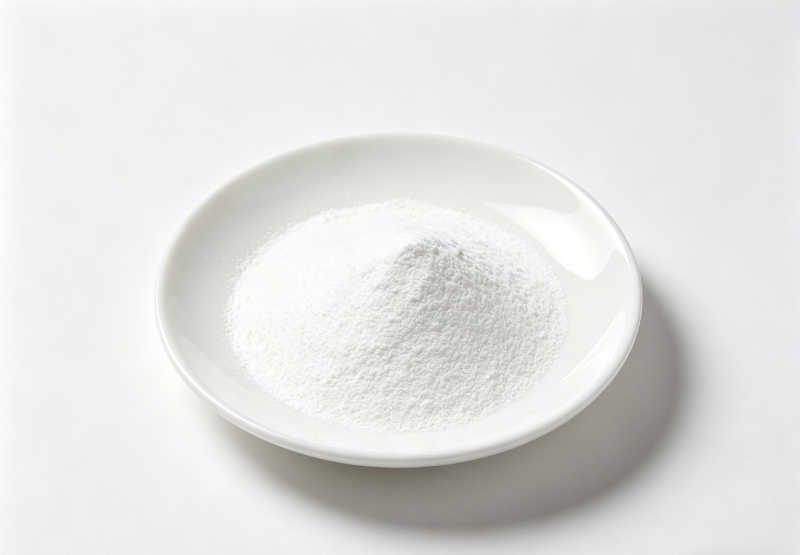

Human milk oligosaccharides (HMOs) are the third most abundant solid component in breast milk after fat and lactose.
I. Structure and type.
Human milk oligosaccharides are a group of complex carbohydrates composed of various monosaccharides linked by glycosidic bonds. Its structure is diverse and mainly includes various types such as fucosylation and sialylation. Currently, more than 200 types of human milk oligosaccharides are known.
II. Important roles for babies.
1. Promote the growth of beneficial intestinal bacteria.
Human milk oligosaccharides can serve as nutrients for beneficial bacteria (such as bifidobacteria) and promote their growth and proliferation in the infant’s intestine. These beneficial bacteria can produce short-chain fatty acids and other substances to maintain an acidic environment in the intestine and inhibit the growth of harmful bacteria.
HMOs can help to establish a healthy balance of intestinal flora and lays the foundation for the baby’s intestinal health.
2. Support the development of the immune system.
HMOs can directly interact with the intestinal immune system and regulate the activity of immune cells.
HMOs can indirectly affects the immune system by regulating intestinal flora, strengthening the baby’s immunity and reducing the risk of infection.
3. Prevent pathogenic infection.
HMOs bind pathogens and prevent them from attaching to intestinal epithelial cells, thereby reducing the occurrence of infections.
For example, certain breast milk oligosaccharides can bind to pathogenic E. coli and Vibrio cholerae, preventing them from causing intestinal infections.
III. Relationship with infant formula.
As the understanding of HMOs continues to deepen, more and more formulas are beginning to add ingredients that simulate breast milk oligosaccharides. However, current formulas still cannot fully replicate the complex structure and diverse functions of human milk oligosaccharides in breast milk.
In short, HMOs play a crucial role in the growth and development of infants and are an indispensable component of breast milk.
• Safe and Natural • Strong Prebiotics • Improve Intestinal Flora • Enhance Immunity


Company founded in Jinan, Shandong
Total manufacturing facility area
Annual production capacity
Dedicated in-house R&D specialists on team
Countries and regions served worldwide
Response guarantee for international inquiries