
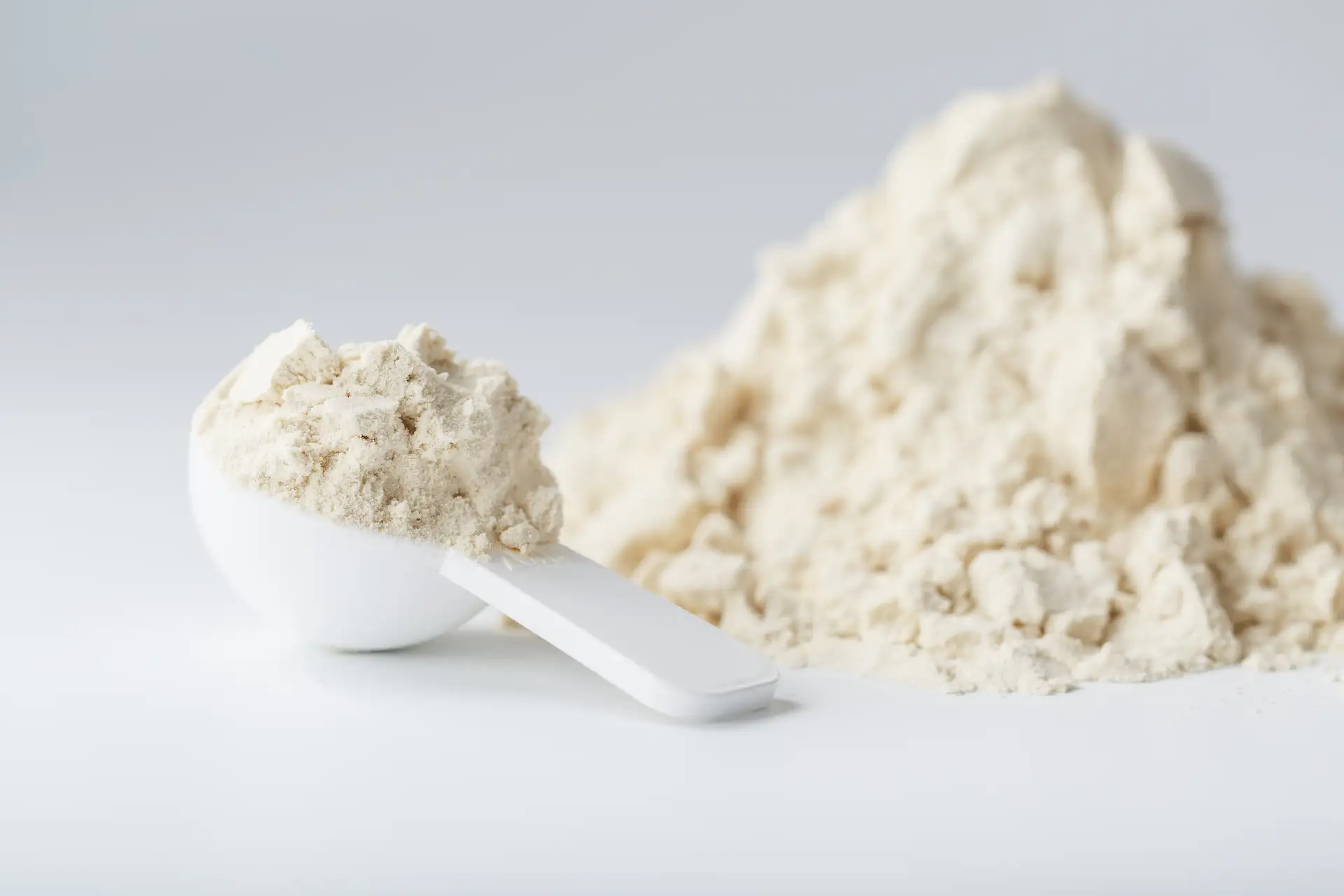
The nutritional value of soy protein isolate revolves around “high-purity protein,” while also emphasizing “low burden” and “easy absorption,” catering to the needs of diverse populations:
I. High-quality complete protein with high amino acid utilization.
1. Consistent with soybean concentrate protein, soybean isolate protein is a complete protein in the plant kingdom, containing all nine essential amino acids required by the human body, with a balanced amino acid composition;
2. High lysine content (approximately 6.0-6.5g/100g protein), which can be combined with cereal proteins (such as wheat and rice) to achieve “amino acid complementation,” significantly improving overall protein utilization.
II. A nutritionally minimal burden.
Due to deep purification, soy protein isolate is almost free of “health burden components,” making it suitable for individuals with special dietary needs:
1. Cholesterol-free and extremely low-fat: Fat content ≤1%, free of saturated fat and cholesterol. Long-term consumption does not increase cardiovascular burden, making it suitable for individuals with high blood lipids, hypertension, obesity, or those needing to control cholesterol.
2. Low lactose and low allergen content: Lactose-free and with most allergenic soy proteins removed during the purification process, making it more suitable for individuals with lactose intolerance or mild soy sensitivity.
3. Low in carbohydrates and purines: The carbohydrate content is ≤3%, and the purine content is approximately 20-30mg/100g (significantly lower than the 150-200mg/100g of whole soybeans), making it suitable for diabetes patients and gout patients (during remission) to supplement protein.
III. High digestibility and absorption rate, suitable for special populations.
The protein digestibility of soy protein isolate is approximately 90%-95%, higher than that of soy protein concentrate (80%-85%). Due to its low impurity content, it imposes a lighter digestive burden on the gastrointestinal tract, making it particularly suitable for:
1. Individuals with weaker digestive functions (such as the elderly and postoperative recovery patients);
2. Individuals who need to quickly replenish protein while avoiding gastrointestinal discomfort (such as fitness enthusiasts and high-intensity laborers).
IV. Main Application Areas: From the food industry to dietary supplements.
Soy protein isolate is widely used in applications requiring high protein quality, such as health supplements, infant formula, meat/seafood products, baked goods, and special medical purpose foods, due to its “high purity, low flavor, and strong functionality” (e.g., emulsification, gelation, water retention).

 English
  Russian
  Spanish
  French
  Arabic