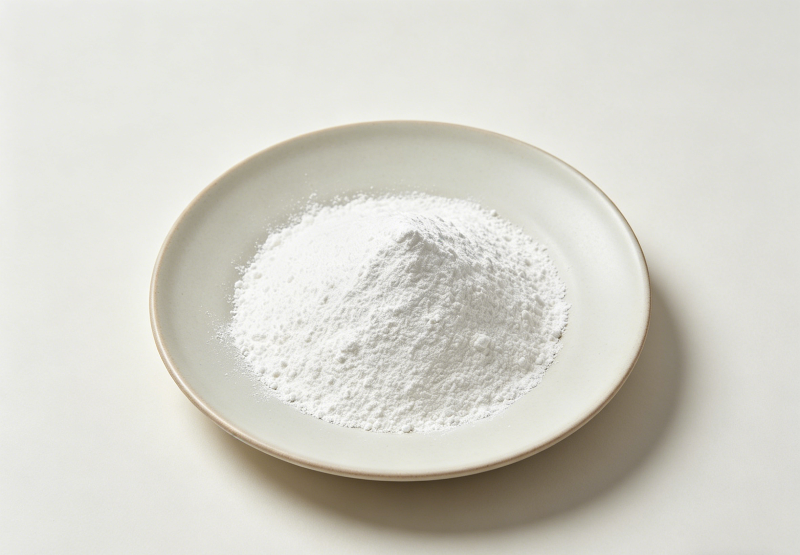
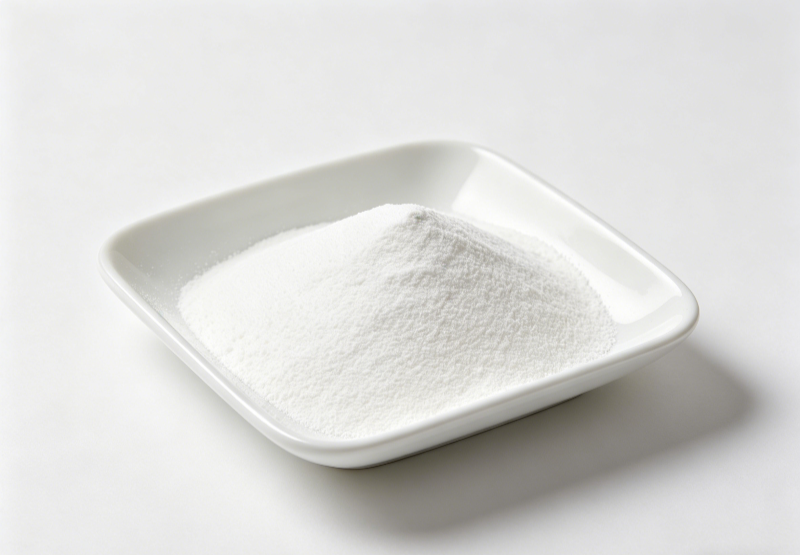
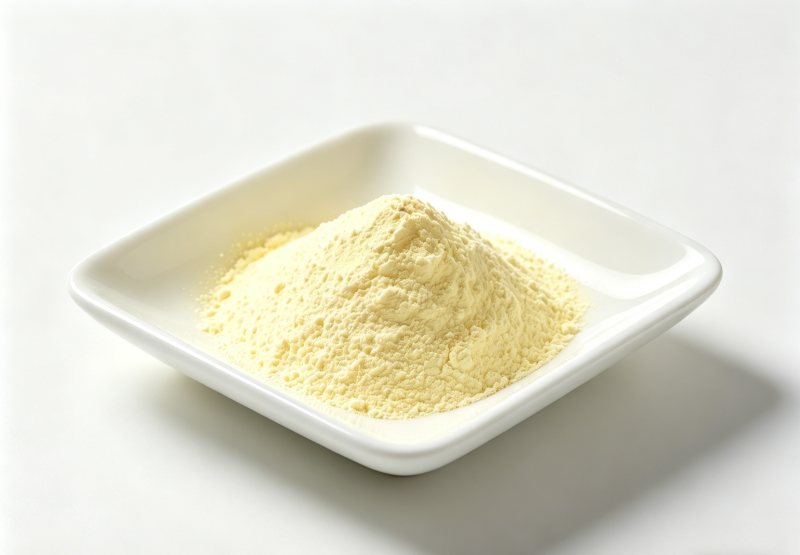
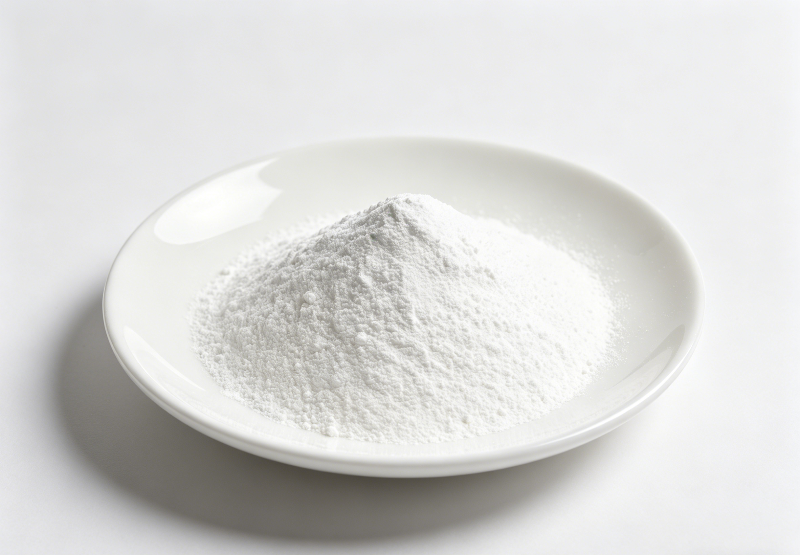
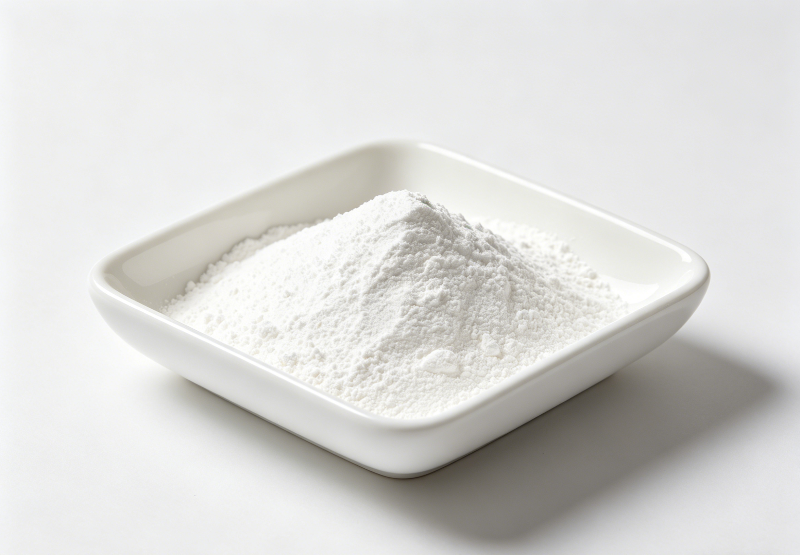
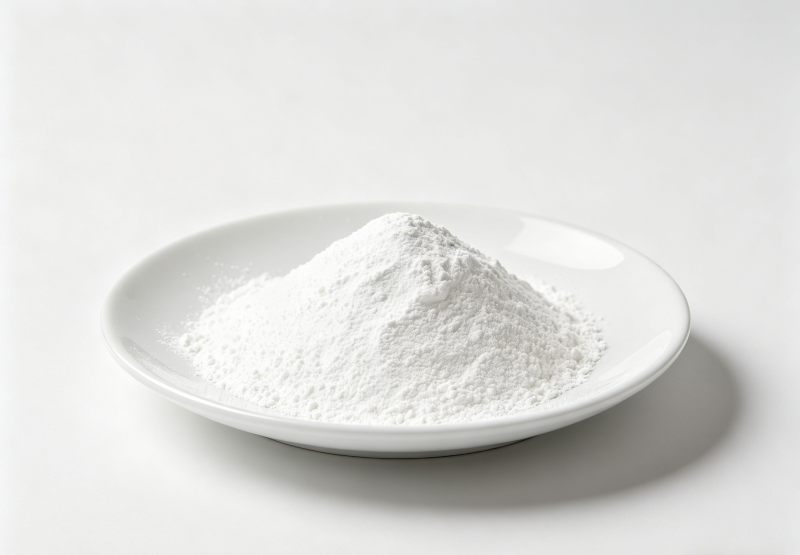
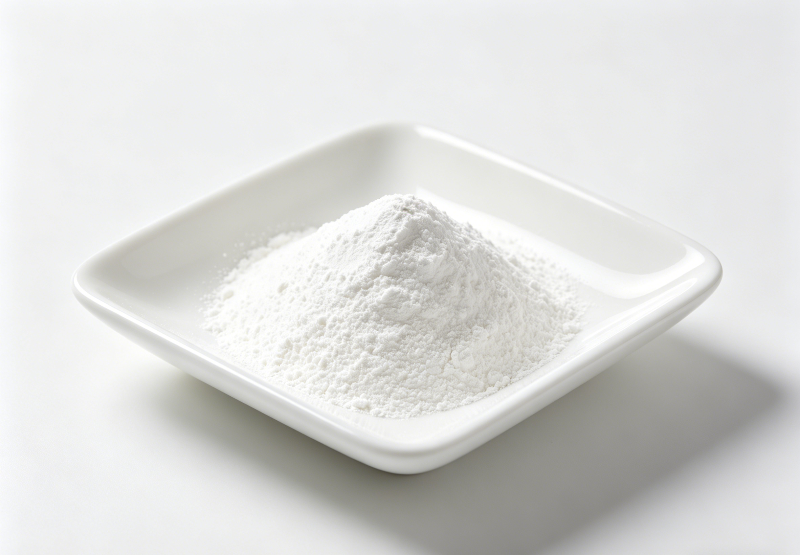
Pea protein is a plant-based protein extracted from peas, which is a high molecular weight organic compound composed of amino acids linked together by peptide bonds to form a certain spatial structure.
From the perspective of nutritional value, pea protein belongs to complete protein, containing a complete range of essential amino acids, sufficient quantities, and appropriate proportions. It can not only maintain adult health, but also promote children’s growth and development.
I. Nutritional values.
1. Rich in essential amino acids: Pea protein contains 8 essential amino acids needed by the human body, with an appropriate composition ratio, which can provide comprehensive and balanced nutritional support for the body, especially with high content of methionine and lysine, which are often lower in other plant proteins.
2. High dietary fiber: Pea protein is rich in dietary fiber, which can promote intestinal peristalsis, prevent constipation, maintain intestinal health, and increase satiety, helping to control appetite and reduce calorie intake.
3. Other nutritional components: Pea protein also contains various vitamins and minerals, such as vitamin B1, vitamin B2, vitamin B6, calcium, iron, zinc, etc., which have a certain effect on maintaining physical health.
II. Application areas.
1. In the field of food.
Plant based beverages and plant-based milk: Pea protein can be used to enhance the nutrition of beverages, applied in plant-based beverages such as protein milkshakes, sports drinks, and protein juice blends.
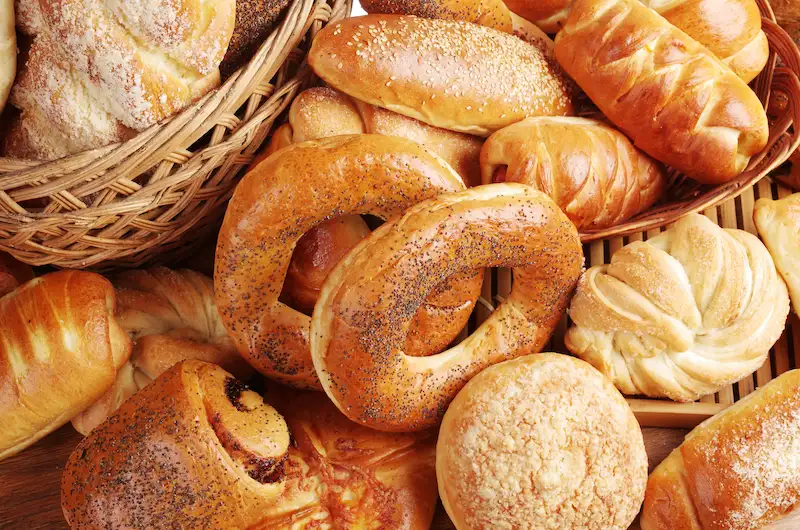
Grain based foods: Pea protein can be added as nutritional fortifiers to grain based foods such as bread, cakes, and noodles, increasing the protein content and nutritional value of the product.
Meat products: It can be added as a meat substitute to meat products such as sausages and red sausages, partially replacing animal protein, reducing costs, and increasing the nutritional value and dietary fiber content of the product.
Weight loss and fitness food: Due to its high protein, low fat, and low calorie characteristics, pea protein is often used to make energy bars, meal replacement powders, and other products for weight loss and fitness, helping people control their calorie intake while meeting their body’s protein needs.
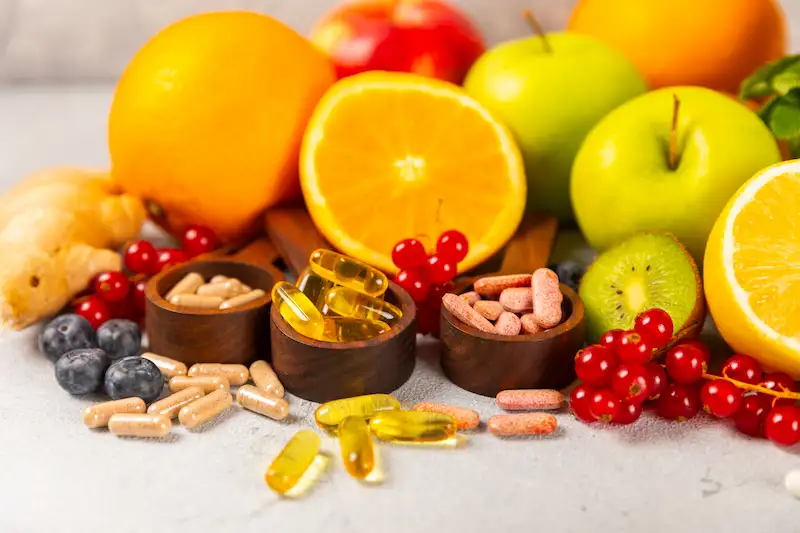
2. Other fields: It is also applied in cosmetics, health products, feed and other fields. For example, in cosmetics, pea protein can be used as a nutritional ingredient with moisturizing and nourishing effects on the skin; In health products, protein powder mainly composed of pea protein can help supplement protein; Adding pea protein to feed can increase its protein content and promote animal growth.
With the improvement of people’s health awareness and the increasing preference for plant-based diets, pea protein, as a high-quality source of plant protein, has continuously increased market demand, especially in Europe, North America, and the Asia Pacific region, showing strong market potential.









 English
  Russian
  Spanish
  French
  Arabic