Enhance texture, structure, and shelf life in baked goods.
Reduce sugar in beverages while maintaining flavor.
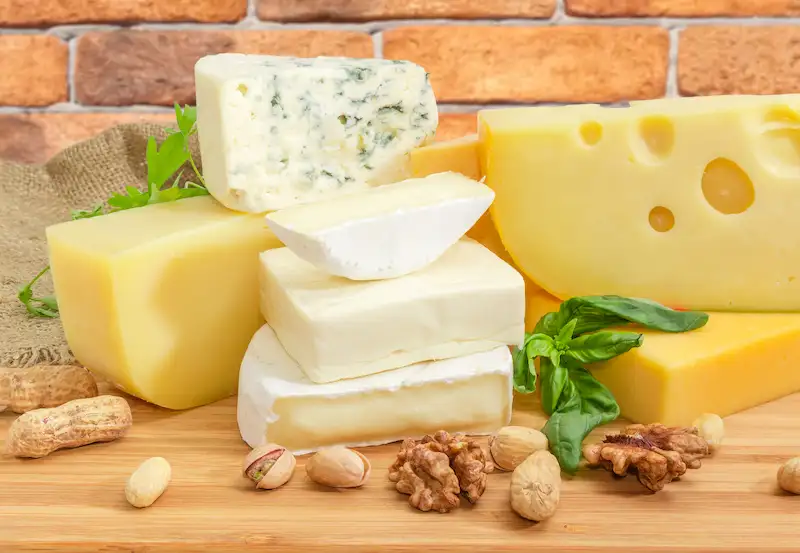
Replace sugar while maintaining creamy dairy texture.
Reduce calories in gummies, candies, and chocolate.
Improve binding, viscosity, and body in savory foods.
Ingredients supporting daily nutrition and wellness needs.
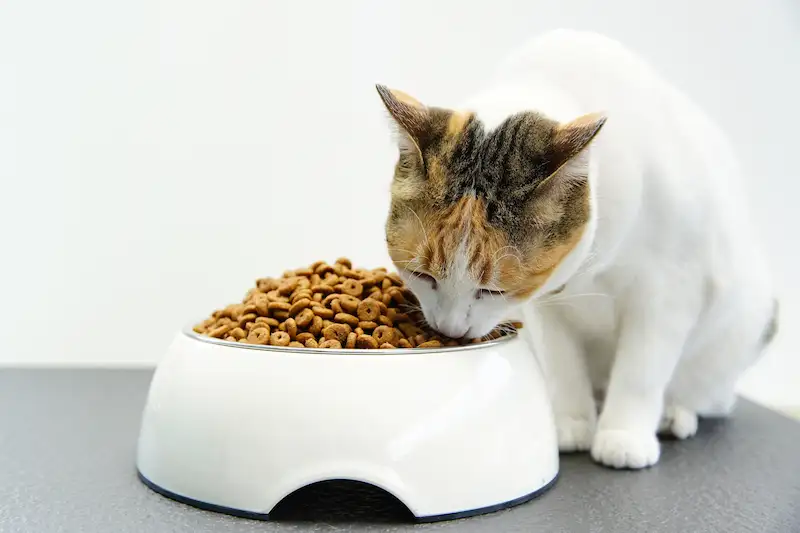
Supplement nutrition in animal feed and pet diets.
Serve as excipients in pharmaceutical and industrial processing.
Reduce sugar while maintaining sweetness, texture, and stability.
Prebiotic solutions supporting gut health and tolerance.
Enhance nutrition with science-backed functional ingredients.
Improve structure, mouthfeel, and stability in plant-based systems.
Customized ingredients to match your formulation needs.
Large-scale, stable, and automated production capabilities.
Full-process quality control meeting global standards.
Fast response and technical support you can rely on.
Industry insights, formulation trends, and knowledge sharing.
Company updates and latest developments.
Product, application, and factory-related videos.
Quick answers to common product and service questions.
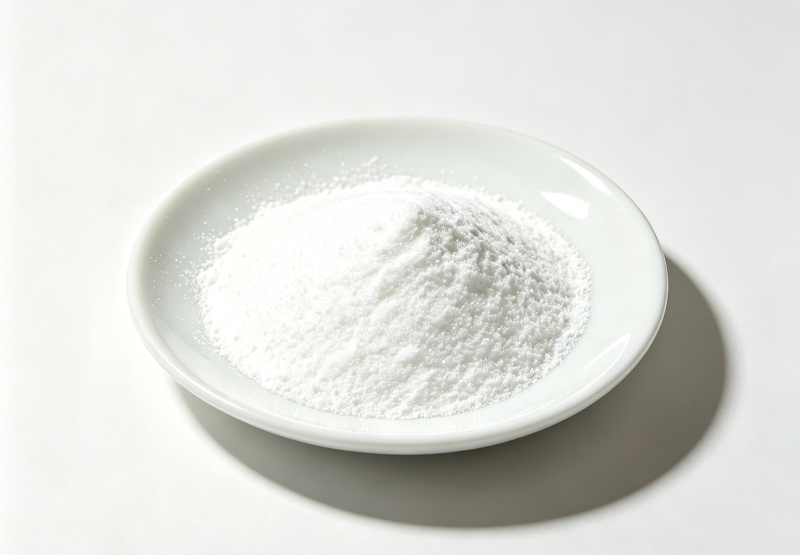
Choline chloride is an important vitamin substance (a derivative of B vitamins) that plays a crucial role in the physiological metabolism of animals and plants, and is widely used in fields such as medicine, feed, and food. Here is a detailed introduction about it:
I. Basic information.
Chemical formula: C₅H₁₄CINO
Molecular weight: 139.63
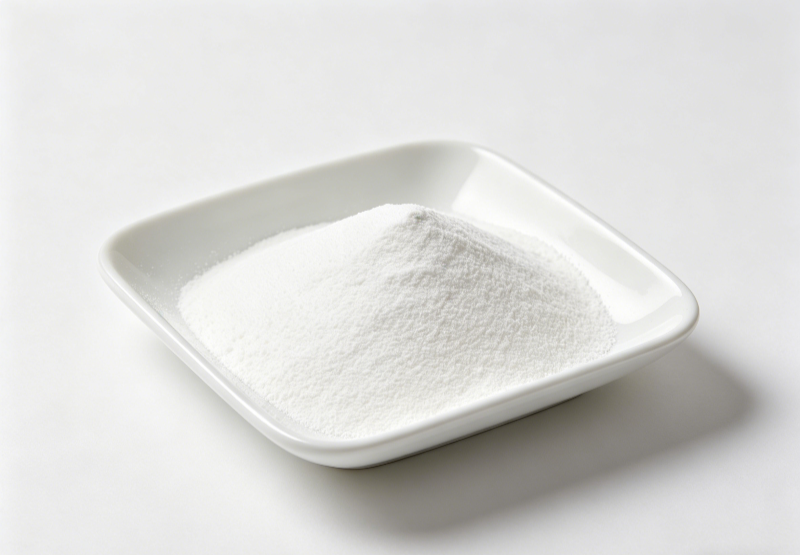
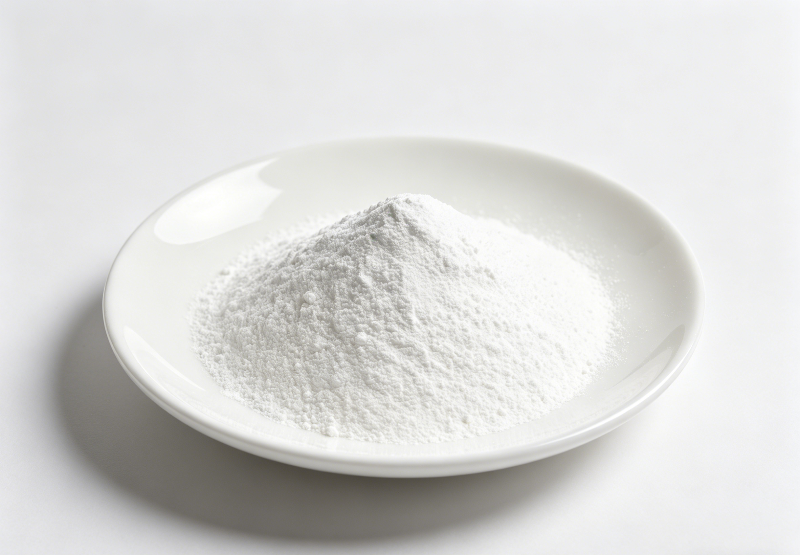
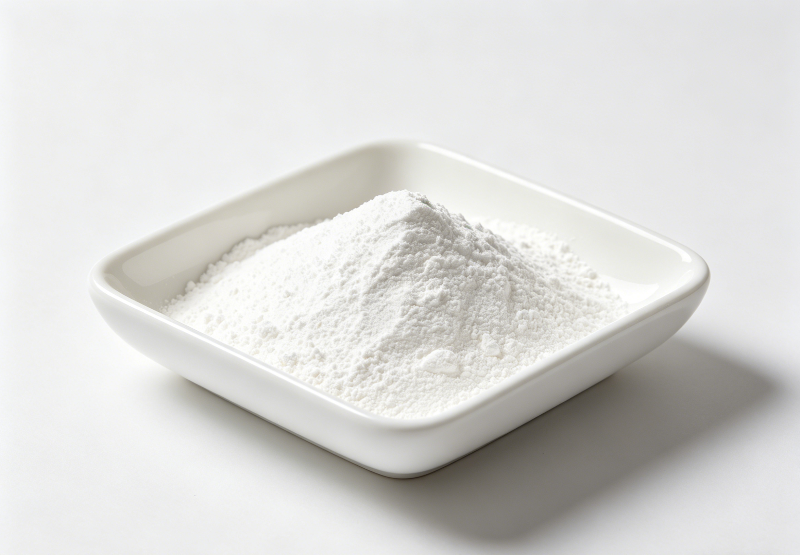
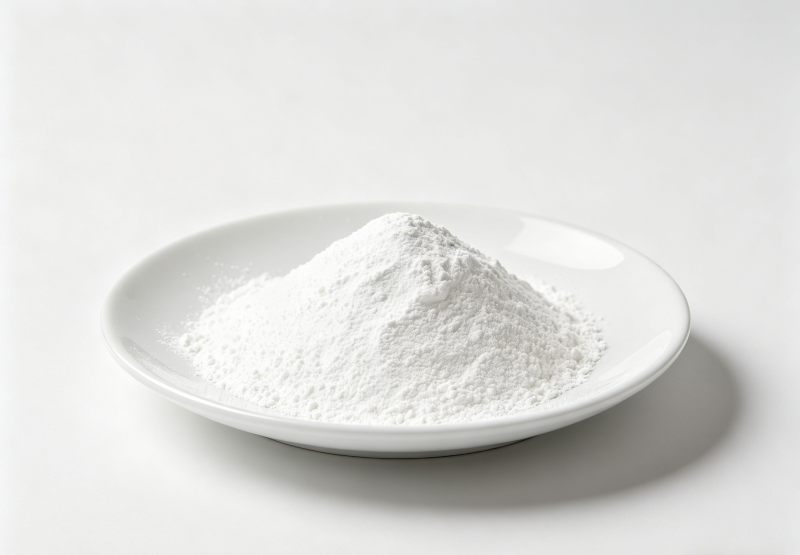
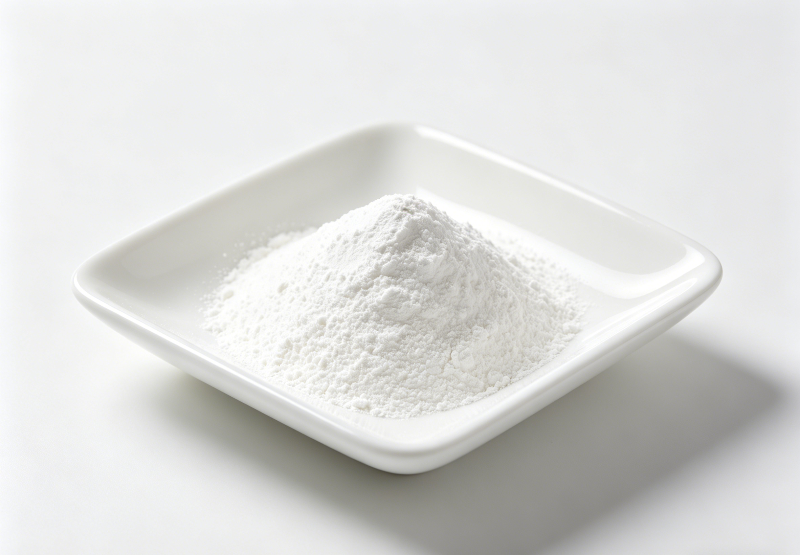
Appearance: Usually white crystalline powder, easily hygroscopic, with a slight fishy smell.
Solubility: Highly soluble in water (with a solubility of approximately 650g/100mL at 20 ℃), soluble in methanol and ethanol, insoluble in non-polar solvents such as ether and chloroform.
II. Physiological functions and mechanisms of action.
The core function of choline chloride is to participate in phospholipid metabolism, especially as a raw material for the synthesis of phosphatidylcholine. Its specific functions include:
1. Promote fat metabolism:
Assisting in the transport of fat from the liver and preventing fat accumulation in the liver is known as the “anti fatty liver factor”.
2. Neural conduction:
Choline chloride is a precursor of the neurotransmitter acetylcholine, involved in nerve signal transmission and maintaining normal nervous system function.
3. Methyl donor:
Choline chloride provides methyl groups through metabolism in the body and participates in the synthesis of biological molecules such as nucleic acids and proteins.
4. Support growth and development:
Choline chloride is crucial for the growth, reproduction, and lactation of animals, and its deficiency can lead to problems such as growth retardation and decreased reproductive capacity.
III. Main application areas.
1. Feed industry (primary application).
Function: Prevent animal fatty liver, promote growth and development, and improve feed utilization efficiency.
Applicable objects: poultry (chickens, ducks), livestock (pigs, cows), aquatic animals (fish, shrimp), etc.
Addition amount: Adjust according to the animal species and growth stage, for example, 0.1-0.2% is usually added to piglet feed, and 0.1-0.15% is added to broiler feed.
2. In the field of medicine.
Clinical application: Used for the treatment of liver diseases, neurological disorders (such as memory loss and neurasthenia), and as an adjuvant therapy for hyperlipidemia.
Dosage form: Commonly available are tablets, injections, oral liquids, etc.
3. Other fields.
In agriculture, choline chloride can be used as a plant growth regulator to promote crop growth and stress resistance.
Used in industry for the synthesis of surfactants and emulsifiers.
• As the “Anti Fatty Liver Factor” • Maintain Normal Nervous System Function • Support Growth and Development


Company founded in Jinan, Shandong
Total manufacturing facility area
Annual production capacity
Dedicated in-house R&D specialists on team
Countries and regions served worldwide
Response guarantee for international inquiries