The CAS is 41263-94-9, and the molecular formula is C18H32O15, with a molecular weight of 488.44. It is the most abundant human milk oligosaccharide (HMO) in breast milk, accounting for about 30% of the total HMO in breast milk. Milk contains almost no such component.
I. Physical and chemical properties.
Structure: Non reducing trisaccharide, L-fucose is linked to lactose (galactose+glucose) via an alpha-1,2 glycosidic bond.
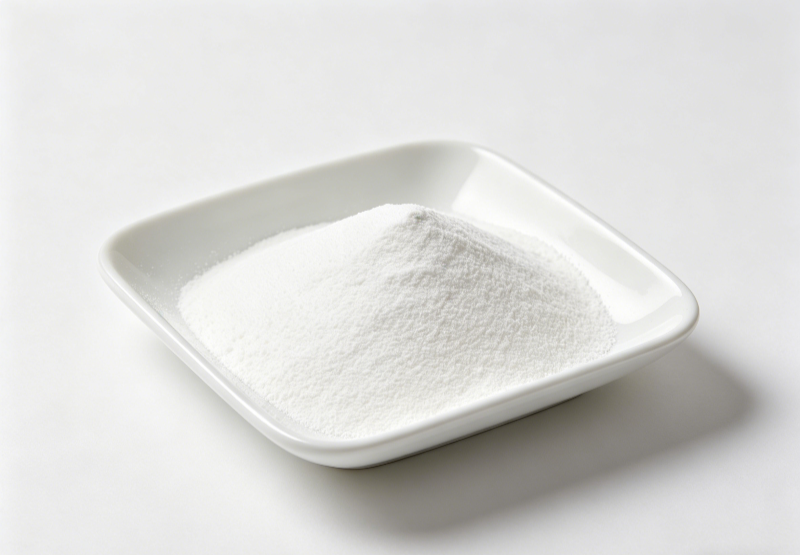
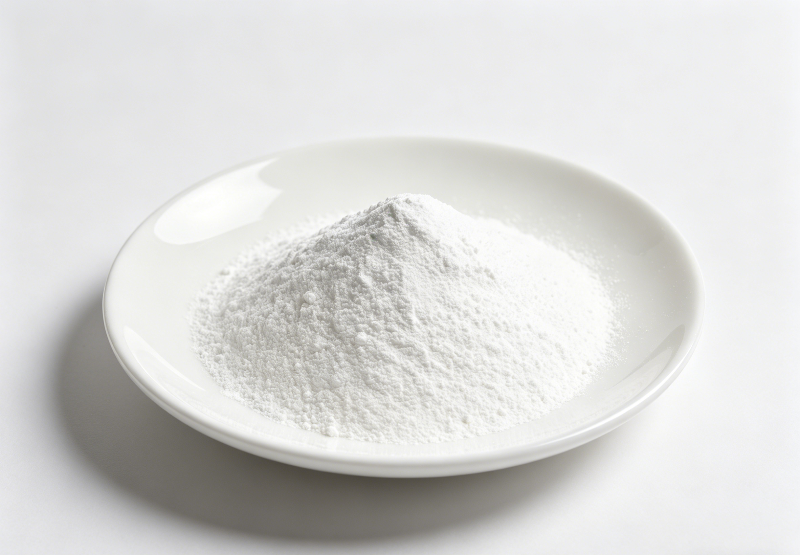
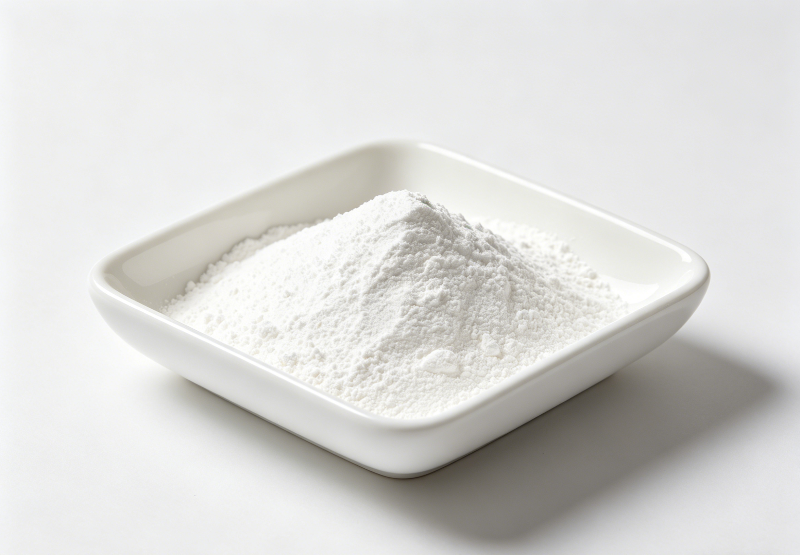
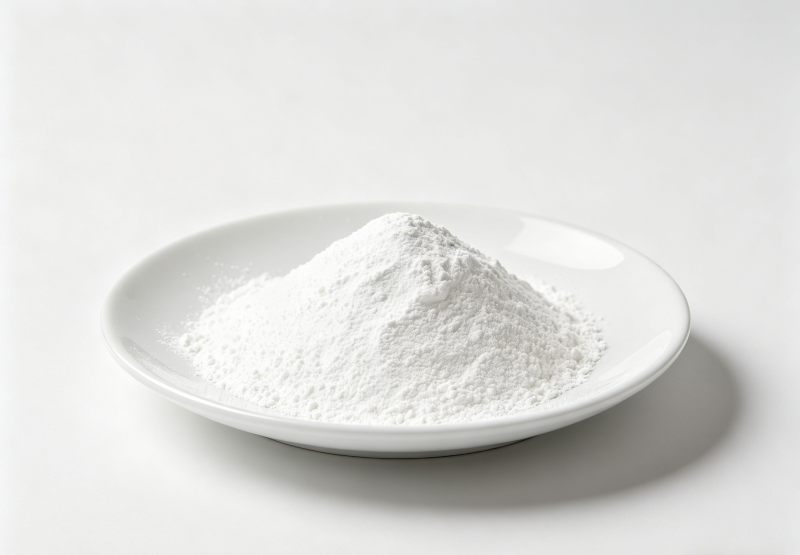
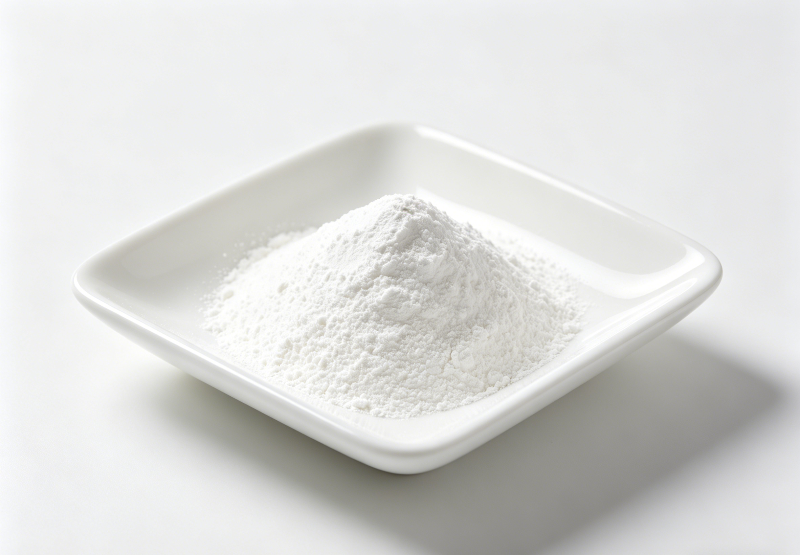
Appearance: White/off white powder, highly soluble in water and slightly soluble in ethanol; Has good stability in neutral and weakly acidic environments and can decompose under heat at around 230 ℃.
Storage: Store in a low temperature, dark sealed environment.
II. Core physiological effects.
1. Regulate the intestines and promote the proliferation of beneficial bacteria (as prebiotics).
Unable to be digested and absorbed by the human small intestine, 2 ‘- Fucosyllactose directly reaches the large intestine, selectively proliferates bifidobacteria and lactobacilli, optimizes the gut microbiota, softens feces, improves constipation/diarrhea, and helps cesarean section babies approach the level of breastfeeding in terms of gut microbiota.
2. Block pathogenic bacteria and reduce infection.
Similar in structure to intestinal epithelial receptors, 2 ‘- Fucosyllactose competitively adsorbs Escherichia coli, Campylobacter jejuni, Norovirus, and Rotavirus, preventing pathogens from adhering to the intestinal wall and significantly reducing the probability of bacterial and viral diarrhea in infants and young children.
3. Assist in the development of the immune system.
2 ‘- Fucosyllactose can regulate immune factors (downregulating IL-6, TNF – α pro-inflammatory factors, enhancing interferon IFN – γ), reduce the risk of allergies and intestinal inflammation, and improve allergic enteritis and irritable bowel syndrome.
4. Promote brain nerve development.
Fucosan is a ganglioside raw material that assists in the development of the brain and retina in infants and young children, and is related to cognitive development.
5. New uses for adults.
By improving the gut microbiota, 2′ – FL can assist in improving non-alcoholic fatty liver disease (NASH) and metabolic disorders, and is commonly used as a dietary supplement for gastrointestinal diseases.
III. Production methods.
1. Natural extraction: Separated from breast milk, only prepared in small quantities in the laboratory, with extremely high costs;
2. Chemical total synthesis: cumbersome steps, high pollution, and rarely mass-produced;
3. Mainstream industrialization: Microbial fermentation (genetically engineered bacteria: GRAS safe strains such as Escherichia coli and Bacillus subtilis) to achieve large-scale production.
IV. Regulations and applications.
1. China: In August 2024, the National Health Commission approved new food nutrition fortifiers, allowing 2′ – FLto be added to infant formula, functional foods, and health foods.
2. Europe and America: Approved by the European Union, the US FDA (GRAS safety certification), and the Australian TGA, it is a standard for mainstream infant formula worldwide.
3. Application scenarios.
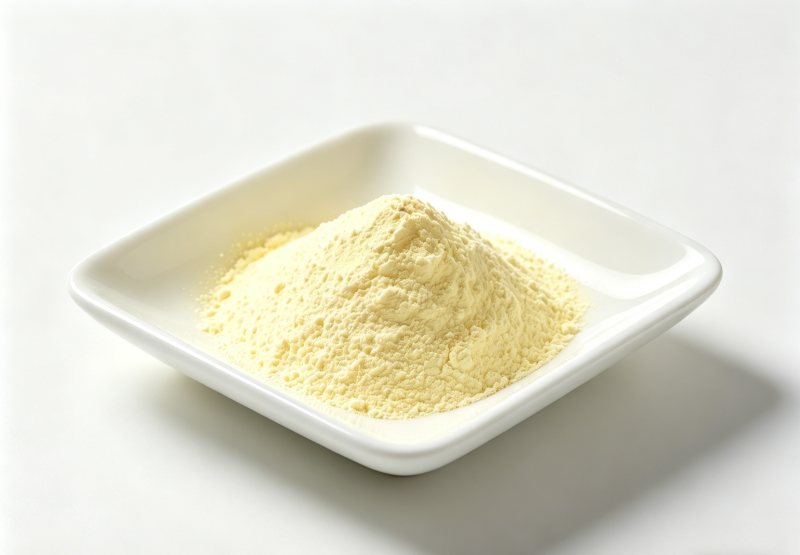
① Infant formula milk powder (mainly used to simulate breast milk);
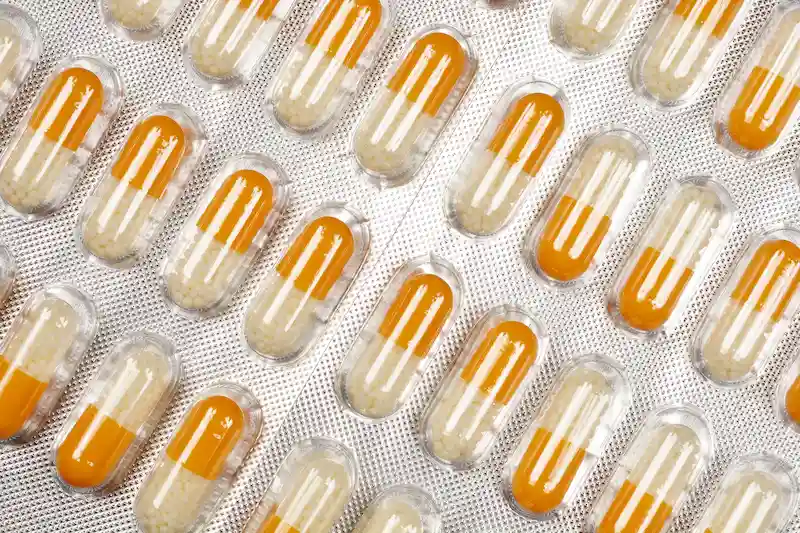
② Probiotics for children/adults, gastrointestinal dietary supplements;
③ Formula foods for special medical purposes.














 English
  Russian
  Spanish
  French
  Arabic