
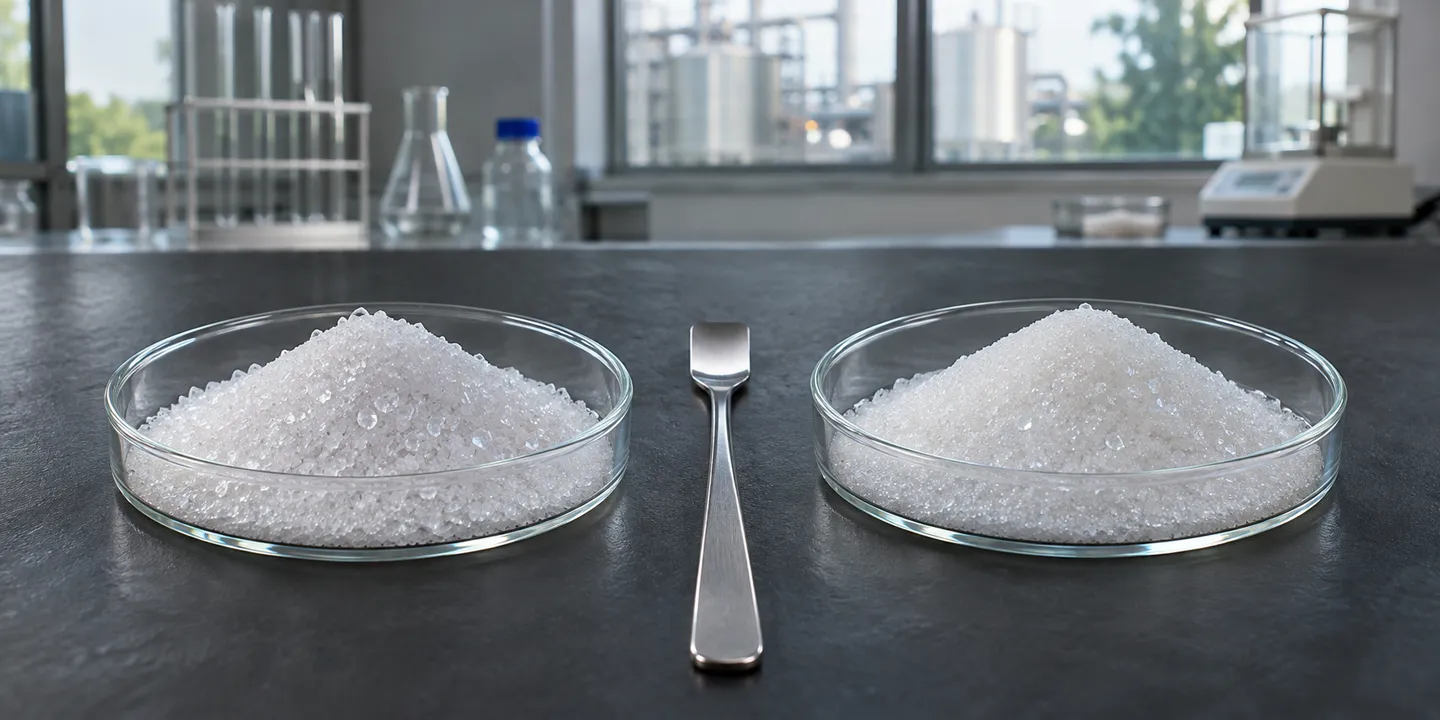
Two sample bags sit on the bench, both white powder, both sold as “soluble dietary fiber.” Swap one for the other at the same dosage and you do not get the same product. The sweetness shifts, the flow on the line shifts, the shelf behavior in a hot-fill drink shifts. The claim on the front of the pack shifts with them. Choosing between polydextrose and inulin is not a nutrient-label debate. It is a decision that runs from what happens in the gut, through what happens in the mixer, all the way to what happens on the purchase order.
This guide follows that full chain: the identity check, the tolerance ceilings, the texture roles, the system-by-system selection map. It ends at the specification and supplier checks that decide whether the ingredient you bought behaves like the one you tested.
What Polydextrose and Inulin Actually Are
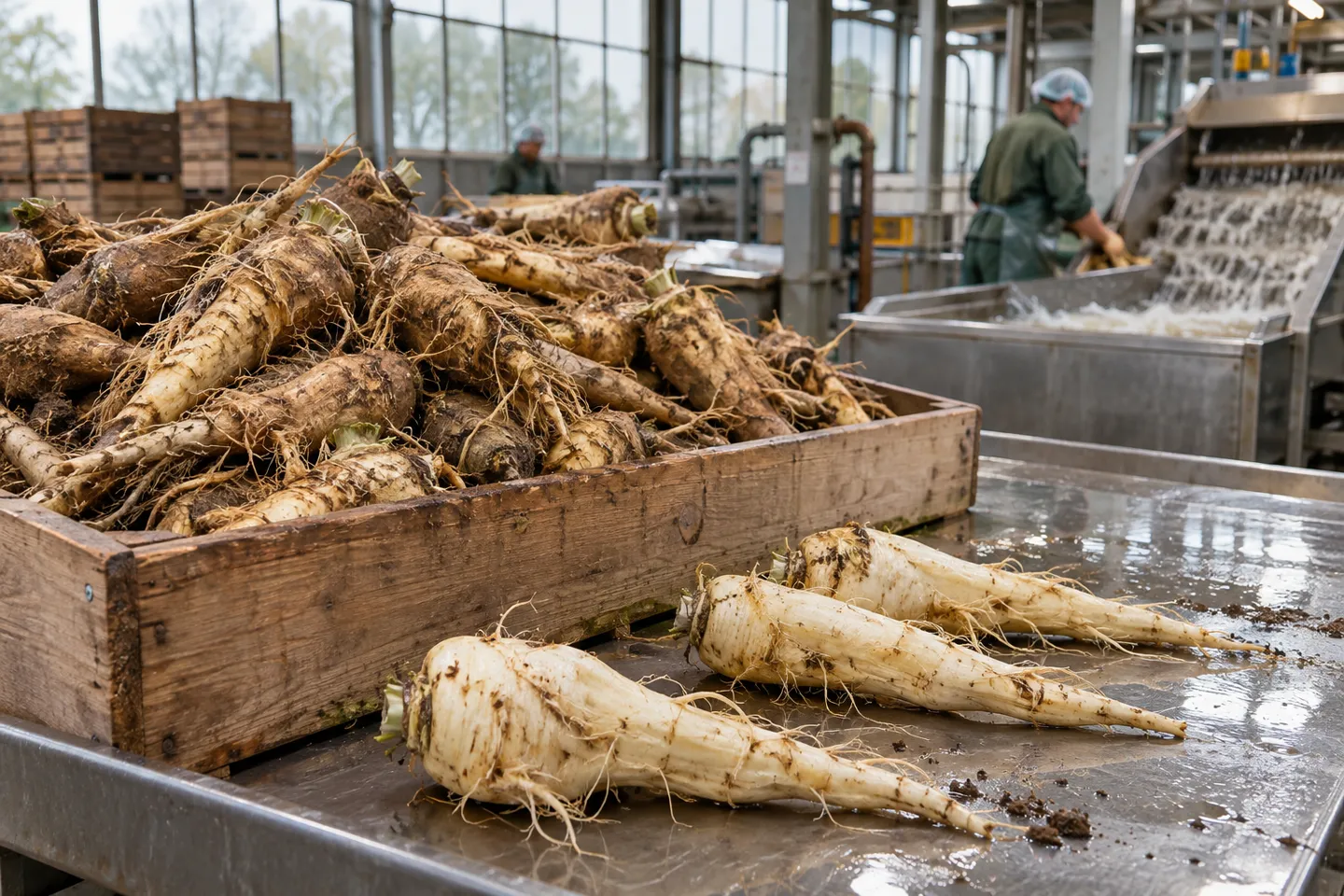
Inulin is a fructan, a chain of fructose units that plants store as an energy reserve. Commercial inulin comes mainly from chicory roots, the dominant industrial crop, with Jerusalem artichoke and dahlia as secondary sources (Canazza et al., 2025). Native chicory inulin typically carries a degree of polymerization around DP 10 to 14, and that chain length drives most of its functional behavior. Polydextrose is not extracted from anything. It is a randomly bonded polymer of glucose, sorbitol and citric acid, produced by melt condensation. That structure delivers sugar-like body with almost no sweetness.
One clarification clears up most label confusion. Polydextrose contains “glucose” in its name but is not glucose, and its effect on blood sugar is minimal. Inulin has nothing to do with insulin despite the similar spelling.
Both fibers behave similarly in the large intestine: they are fermentable, they selectively feed bifidobacteria, and they soften stool. A Nutrition Reviews review reached a clear conclusion: inulin and polydextrose match grain fiber on all three counts (Raninen et al., 2011). Regulators have caught up with this. In 2018 the FDA added both “inulin and inulin-type fructans” and “polydextrose” to the list of carbohydrates that count as dietary fiber on US labels (FDA, 2018). The same guidance assigns polydextrose a caloric value of 1 kcal/g. Both fibers reach the market as powder or syrup, and polydextrose adds a sugar-free grade on top of the conventional type.
Tolerance and Dose: Where Each Fiber Pushes Back
The real difference shows up in the gut. The boundary is a dose line, and it moves with the person.
Gastrointestinal tolerance of inulin is strongly dose-dependent and varies between individuals (Canazza et al., 2025). Past a personal threshold, rapid fermentation produces bloating, flatulence and discomfort. Polydextrose ferments more gradually. Research on blends points the same direction (Zhu et al., 2022). Combining the two fibers lowered total gas production versus inulin alone while keeping the bifidogenic effect.
Keep that ratio handy. It turns an either-or choice into a formulation lever.
The blend lever
1:1 to 2:1
A polydextrose : inulin blend produces less total gas than inulin alone, and the bifidogenic effect stays intact.
Public attention on inulin safety is genuinely confusing right now, so it deserves a straight reading. On one side, the FDA recognizes inulin as a beneficial dietary fiber, and microbiome research keeps documenting its prebiotic value. On the other side sits a 2024 Cornell study in mice that linked highly purified inulin to bowel inflammation in susceptible animals (Cornell News, 2024). Among people with IBS, complaints about inulin-containing supplements are common enough that whole communities swap tips for finding fiber gummies without it. The sensible position sits between the extremes. Inulin is well characterized and broadly tolerated at moderate doses. Sensitive people, especially those managing IBS or following a low-FODMAP protocol, do better treating it as a restricted ingredient. Polydextrose has its own ceiling: at high daily intakes it can produce a temporary laxative effect. Product labels still advise building intake gradually for this reason.
Dose self-check: New to fiber supplements? Start at 3-5 g per day of either fiber and step up weekly. Read your fiber gummy or protein bar label: if inulin or chicory root fiber appears near the top of the ingredient list, treat the serving as an active dose, not a free one. Managing IBS? Test polydextrose-based or blended fibers first and keep single inulin servings small.
What Each Fiber Does in a Formula
Move from the gut to the mixer and the question changes. “Which is healthier” becomes “which job am I hiring this fiber to do.” There are four jobs: filling bulk, extending sweetness, mimicking fat, and managing ice and water.
Polydextrose is the specialist in bulk. Its sweetness is roughly 5% of sucrose, so it adds solids, moisture and mouthfeel without changing the flavor profile you built. It holds water, survives heat and acid, and behaves like sugar’s volume when sugar itself has to leave the recipe. Inulin plays two roles depending on chain length. Short-chain fractions contribute a clean, mildly sweet taste at roughly 10% of sucrose sweetness. Long-chain native inulin forms a particle gel network that reads on the tongue as cream and fat (Canazza et al., 2025). That is why it shows up in low-fat dairy and smooth-texture desserts. In frozen systems both fibers depress the freezing point. Formulators balance that effect against the sweetener system to keep the product scoopable rather than soupy.
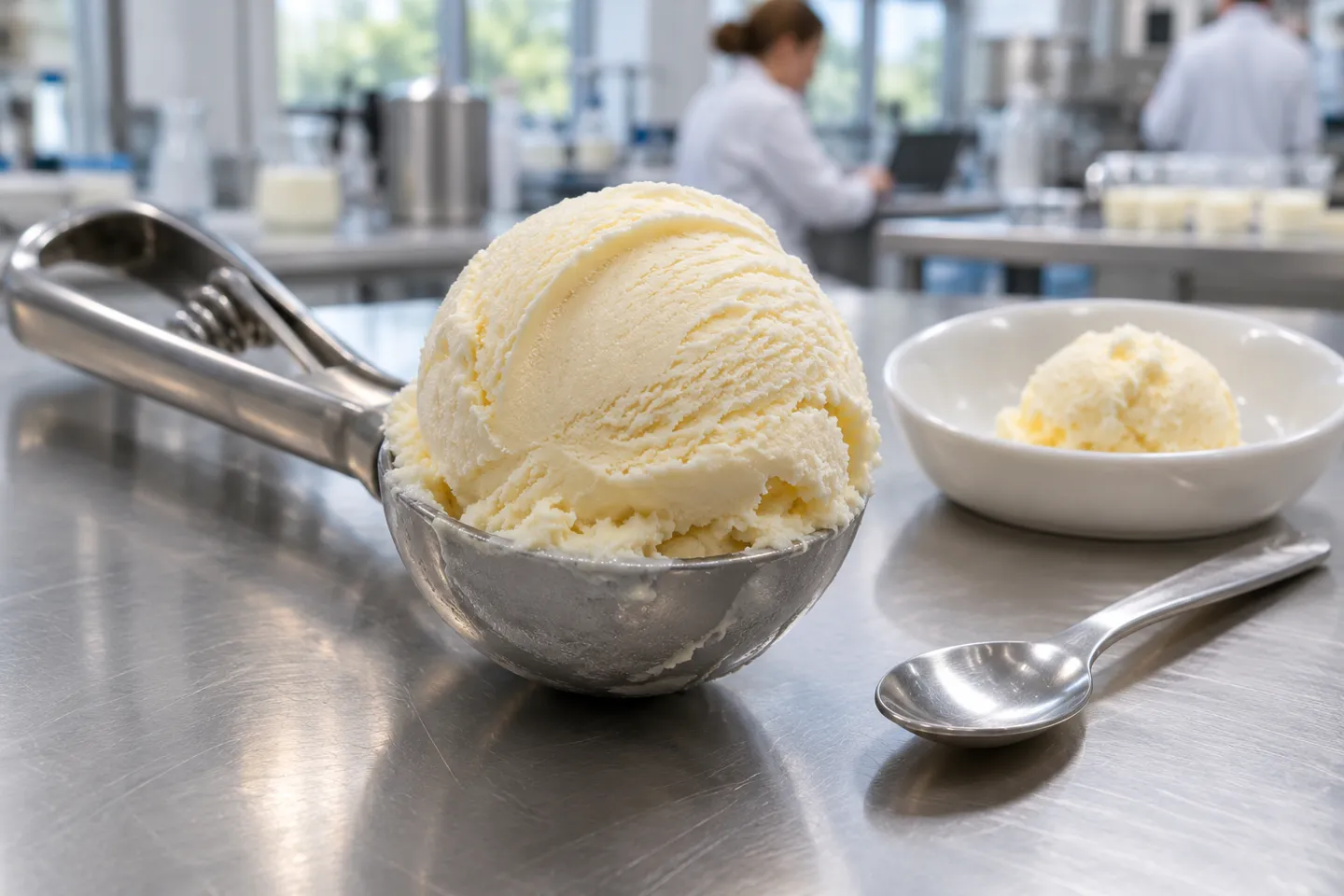
The routing logic is simple. When the product needs sugar’s body without sugar’s calories, polydextrose is the stand-in. When the product needs a texture upgrade plus a natural prebiotic story, inulin earns its premium. Most finished no-sugar products carry both, each doing the job the other does poorly.
Building a no-sugar formula? Send your product system and target spec and we will match polydextrose and inulin grades to it.
Start a spec reviewChoosing by Product System: Parameters and Failure Points
Each product category stresses fibers differently, so the right answer changes by system. The five systems below cover the vast majority of fiber-fortified products.
Frozen Desserts and Sorbets
Inulin is the default for creamy body: long-chain inulin mimics fat and gives low-fat ice cream its richness. Polydextrose contributes solids with negligible sweetness, useful when the sweetener system is already calibrated. Both fibers depress the freezing point, so dosage walks a line. Push either one too hard and the base refuses to set. The DIY frozen-dessert community documents that failure whenever sugar substitutes take over bulk duty. Check the pac (freezing point depression factor) of the whole formula, not just the fiber line.
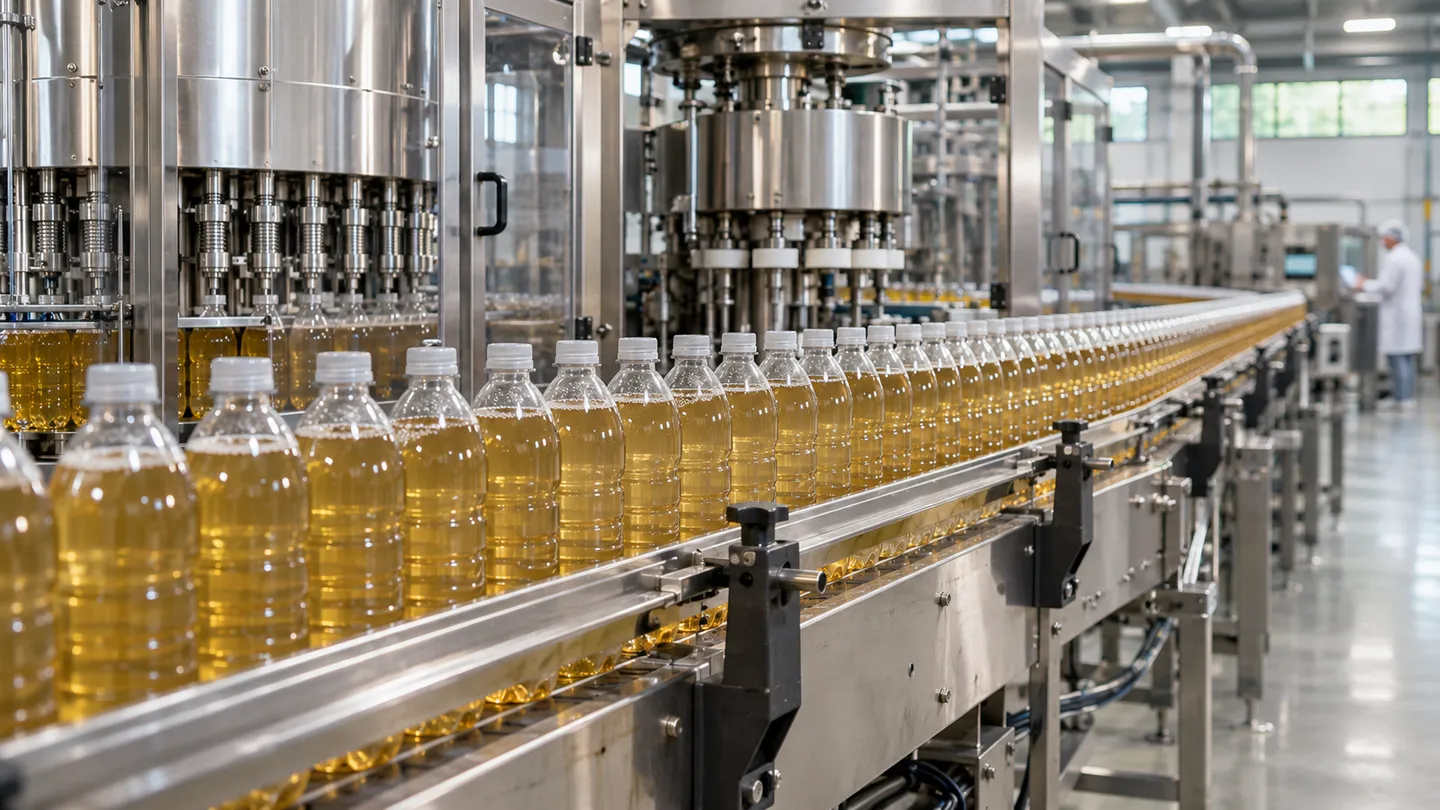
Acidic and Hot-Fill Beverages
This is polydextrose territory. Beverages are the largest single application for polydextrose at 28.8% of global use (market.us, 2025). The reason is simple: the molecule tolerates heat processing and low pH without breaking down. Inulin is more fragile. Under acidic conditions and heat it hydrolyzes into shorter fructose chains and free fructose, shifting sweetness and functionality over shelf life. If a client insists on inulin in a hot-fill acidic drink, demand acid-stability data for the specific grade and dose. Validate through real-time shelf testing rather than assuming the powder spec applies.
Bakery
Inulin fits bakery through water management: it binds moisture, keeps crumbs soft, and extends the fiber claim on the label. The chain-length rule matters here. Low-DP inulin raises adhesiveness and can weaken the gluten matrix, while high-DP grades hold structure better in dough systems (Canazza et al., 2025). Polydextrose works as a sugar substitute in cakes and cookies, with one behavior to watch: it browns less than sugar. Recipes calibrated for sucrose color need adjusted bake targets or a browning aid.
Protein Bars and Confectionery
Polydextrose is the workhorse of the bar industry. It carries a fiber claim without sweetness, keeps bars soft by binding water, and pairs cleanly with sugar alcohols and high-intensity sweeteners. Formulators comparing commercial bars will find it in the ingredient list of most soft-texture products. Inulin joins for the prebiotic claim and texture at moderate doses. The shared failure edge is dose stacking. A bar with inulin, polydextrose and sugar alcohols can push one serving past the consumer’s fermentable load. That mistake surfaces later as digestive complaints in reviews, not texture complaints.
Dairy and Fermented Products
Yogurt is inulin’s home ground: it thickens, adds a fat-like body, and feeds the starter cultures’ bifidobacteria story in one move. Polydextrose appears in dairy desserts and drinks where sweetness must stay flat. Both survive fermentation, and dairy’s mild pH keeps hydrolysis risk low compared with juice systems.
Fiber Selection by Product System
| Product system | First pick | Backup or blend | Main failure edge | Check before ordering |
|---|---|---|---|---|
| Frozen desserts | Inulin (long-chain) | Polydextrose or 1:1 blend | Freezing point over-depression, icy base | Pac balance of full formula |
| Acidic / hot-fill beverages | Polydextrose | Blend with small inulin dose | Inulin hydrolysis shifts sweetness over shelf life | Acid-stability data for the exact grade |
| Bakery | Inulin (chain-matched) | Polydextrose as sugar stand-in | Low-DP inulin weakens crumb structure | DP spec and water-binding curve |
| Protein bars / confectionery | Polydextrose | Inulin for prebiotic claim | Fermentable load stacking per serving | Total fiber + polyol count per bar |
| Dairy / fermented | Inulin | Polydextrose in desserts | Off-texture at high long-chain doses | Body target vs dosage curve |
A quick map of the neighbors, so the two main options sit in context. Resistant dextrin is a gentler, glucose-based soluble fiber that appeals when fermentation pace matters. Fructo-oligosaccharide is effectively the short-chain member of the inulin family. Psyllium is the non-fermenting contrast: gel-forming rather than bacterial food, which is why it rarely causes gas at all.
Buying Right: Specs, Documents and Supplier Checks
Two lots with the same ingredient name can behave differently on your line. The purchase stage is where that risk gets controlled, and it runs as a sequence.
The buying sequence
Lock the Specification from the System Choice
Work backward from the system choice above. The product system dictates the form: powder for dry blends and bars, syrup for beverages. It also sets the purity level, the viscosity target, the pH fit, the water activity, and the particle size your dissolution speed requires. For inulin, write chain length into the spec explicitly (Canazza et al., 2025). Native chicory grades run around DP 10 to 14. Short-chain FOS segments behave differently in texture and fermentation. High-performance long-chain grades exist specifically for fat mimetis. For polydextrose, decide between conventional and sugar-free grades, and between powder and 70%-plus syrup, before comparing prices. A spec locked this way makes quotes comparable and removes the classic mismatch of ordering syrup where the line was set up for powder.
Ask for the File, Not the Certificate
A serious ingredient supplier provides a document package rather than a single certificate. The package starts with a certificate of analysis issued per production batch, not a generic copy. Microbiology and heavy-metal reports should be available on request. The certification set covers ISO 9001, ISO 22000, HACCP, Kosher, Halal, and non-GMO as your market requires. Batch traceability should reach back to raw material lots. If any of those items takes more than one working day to produce, treat it as a supply-risk signal rather than an administrative delay.
The document package to demand
- A certificate of analysis issued per production batch, not a generic copy
- Microbiology and heavy-metal reports available on request
- The certification set your market requires: ISO 9001, ISO 22000, HACCP, Kosher, Halal, non-GMO
- Batch traceability reaching back to raw material lots
- One working day turnaround on any of the above, or read it as a supply-risk signal
Run the Two-Stage Trial
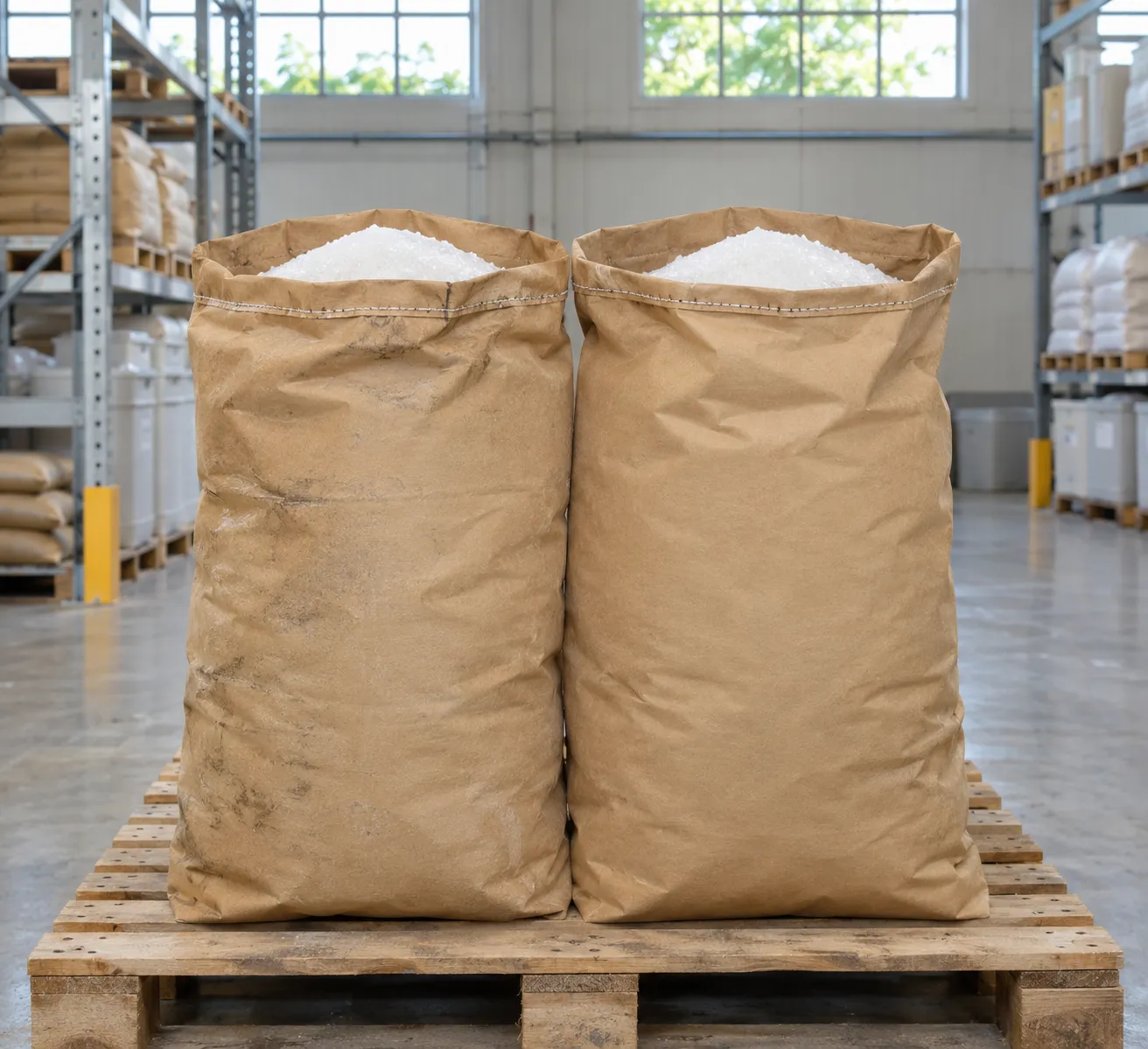
The industry-standard verification is two stages. First, lab verification with a sample of 100 to 500 g: assay, viscosity, pH, moisture, sensory at your target dosage. Second, run a production trial with 1 to 2 full bags on your line. Scale reveals what the lab cannot: dissolution in your mixing geometry, flow through your dosing equipment, interaction with your other ingredients. Skipping the second stage is how products pass lab spec and fail on the filling line.
Audit the Three Parameters That Make Buyers Switch
When food manufacturers change fiber suppliers, three causes dominate: viscosity drifting out of range between batches, caking during storage or dosing, and dissolution running slower than the process allows. Each one has a direct audit question. For viscosity: what in-process controls keep batch-to-batch consistency, and can you show recent COA viscosity data across lots? For caking: how is water activity controlled, and what particle forms are offered for humid climates? For dissolution: what mesh sizes and granule forms are available, and which one matches your mixing setup? A supplier who answers all three with specific process steps is the one whose product behaves the same in month twelve as in the trial. Assurances about quality are not process steps.
The Business Read: Positioning Each Fiber in Your Portfolio
For distributors and ingredient resellers, the polydextrose versus inulin question is a stocking and positioning decision. The facts established above convert directly into portfolio logic.
The Stocking Logic
Run the two fibers as separate lines aimed at different customer problems, not as interchangeable commodities. Polydextrose is the line for cost-sensitive industrial demand: acid and hot-fill beverage plants, bulk fiber fortification, and sugar-reduction programs that need sugar’s body without sweetness. Its market compounds at about 4.7% annually (market.us, 2025). The trajectory runs from USD 288.4 million in 2024 toward USD 456.5 million by 2034, with powder holding 67.3% of sales. Inulin is the premium line: clean-label products, prebiotic claims, and texture upgrades in dairy and better-for-you snacks. Buyers there pay for the natural story and the chain-length functionality. A sales conversation that opens with “which one is better” has already misread the customer. The real opening question is which system the customer runs.
Hedge and Contract Terms
Inulin supply depends on chicory root, a temperate-climate root crop concentrated in a few producing regions, so its price and availability ride on agricultural outcomes. Polydextrose is a starch-based product of large-volume chemical production, which makes it the steadier line through supply swings. That asymmetry argues for carrying both. When inulin tightens, the blended-fiber proposition (the 1:1 and 2:1 ratios above) keeps customers served with the functional story intact. Two contract moves protect the margin. First, write the three switching-cause parameters from the buying section, batch viscosity consistency, caking control, and dissolution spec, into supplier terms rather than leaving them as verbal assurances. Second, offer the blend as a service. Customers who would otherwise see fibers as price-comparable powders will pay for a blend that solves their digestive-feedback problem and their cost target at once.
Portfolio Lines at a Glance
| Line | Best-fit customer | Lead message | Main risk to manage |
|---|---|---|---|
| Polydextrose | Beverage, bakery, bar and confectionery plants | Stable fiber bulk that survives heat and acid, sugar-free grade available | Price-driven switching; keep spec terms tight |
| Inulin | Clean-label brands, dairy, premium snacks | Natural prebiotic with chain-length functionality | Agricultural supply swings and sensitive-user feedback |
| Blend (PDX:inulin 1:1-2:1) | Gut-friendly product lines, sensitive end users | Prebiotic effect with lower gas, one SKU serving both goals | Requires two specs managed as one |
If your customer list spans both premium fiber claims and high-volume sugar reduction, it helps to source the two lines from one supplier who can adjust each to spec. At SAIGAO, we produce conventional, sugar-free, powder and syrup polydextrose grades alongside inulin. We tailor viscosity, pH, water activity, particle form and purity through application-driven customization across both lines. A portfolio order therefore ships as matched specifications rather than two unrelated ingredients. You can review the polydextrose grades and request samples of either line with your target spec attached.
Saigao Ingredients
Get polydextrose and inulin grades matched to your line
Conventional and sugar-free polydextrose in powder or syrup, plus inulin, tailored for viscosity, pH, water activity and particle form.
Request samples with your specReferences
- U.S. Food and Drug Administration. “Questions and Answers on Dietary Fiber.” 2018 (updated). fda.gov
- Raninen, K. et al. “Dietary fiber type reflects physiological functionality: comparison of grain fiber, inulin, and polydextrose.” Nutrition Reviews. 2011. pubmed.ncbi.nlm.nih.gov
- Zhu, L. et al. “Potential health benefits of lowering gas production from blends of polydextrose and inulin.” Frontiers in Nutrition. 2022. frontiersin.org
- Cornell News. “Common type of fiber may trigger bowel inflammation.” 2024. news.cornell.edu
- Canazza, E. et al. “Techno-Functional Properties and Applications of Inulin.” Foods (PMC). 2025. pmc.ncbi.nlm.nih.gov
- market.us. “Global Polydextrose Market Report.” 2025. market.us

 English
 Russian
 Spanish
 French
 Arabic