Enhance texture, structure, and shelf life in baked goods.
Reduce sugar in beverages while maintaining flavor.
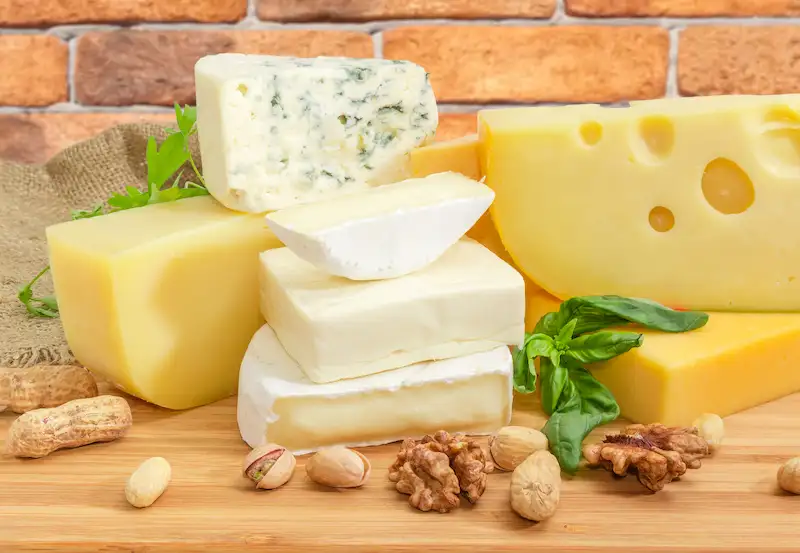
Replace sugar while maintaining creamy dairy texture.
Reduce calories in gummies, candies, and chocolate.
Improve binding, viscosity, and body in savory foods.
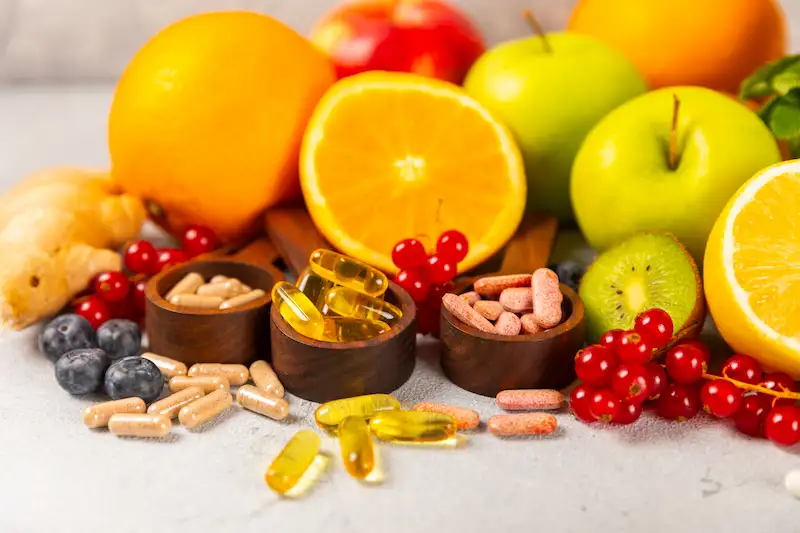
Ingredients supporting daily nutrition and wellness needs.
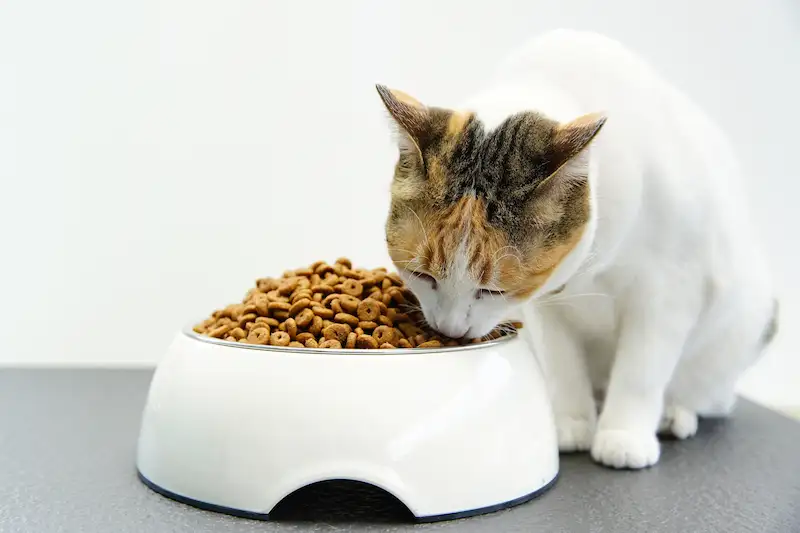
Supplement nutrition in animal feed and pet diets.
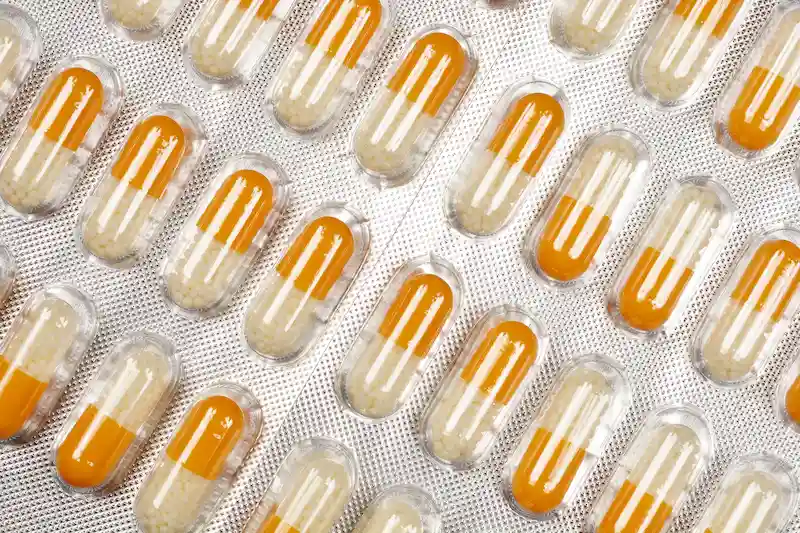
Serve as excipients in pharmaceutical and industrial processing.
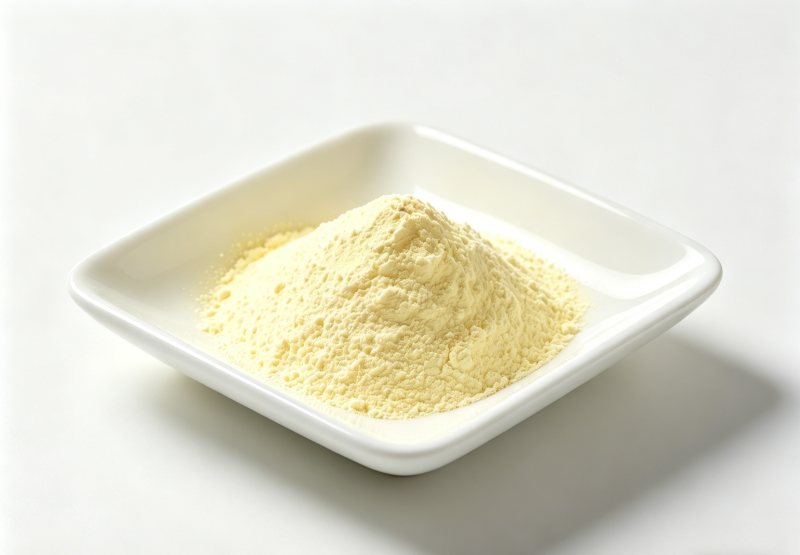
Reduce sugar while maintaining sweetness, texture, and stability.
Prebiotic solutions supporting gut health and tolerance.
Enhance nutrition with science-backed functional ingredients.
Improve structure, mouthfeel, and stability in plant-based systems.
Customized ingredients to match your formulation needs.
Large-scale, stable, and automated production capabilities.
Full-process quality control meeting global standards.
Fast response and technical support you can rely on.
Industry insights, formulation trends, and knowledge sharing.
Company updates and latest developments.
Product, application, and factory-related videos.
Quick answers to common product and service questions.
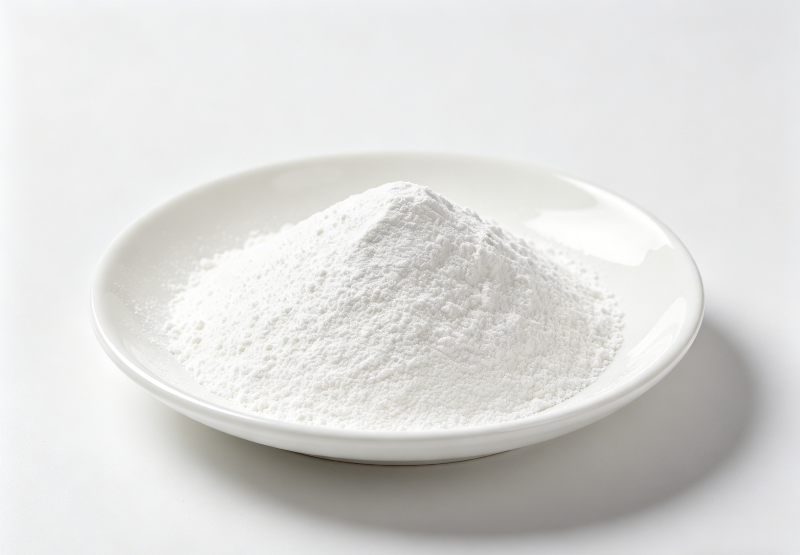

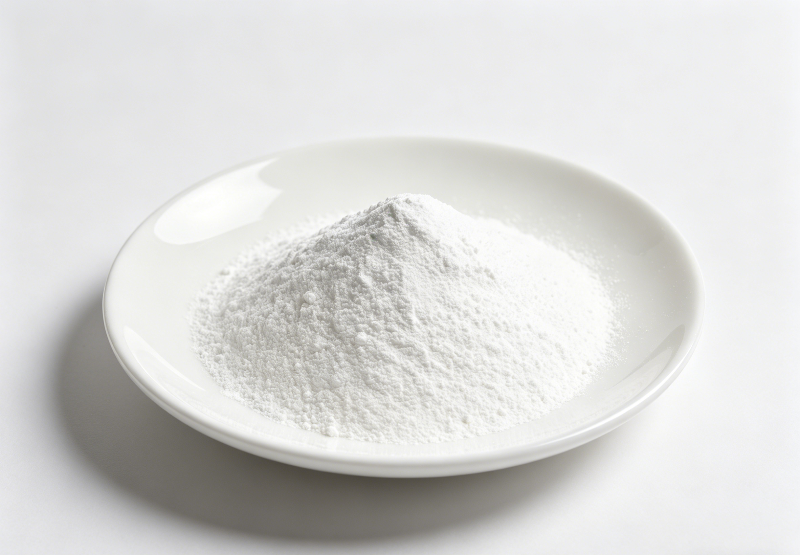
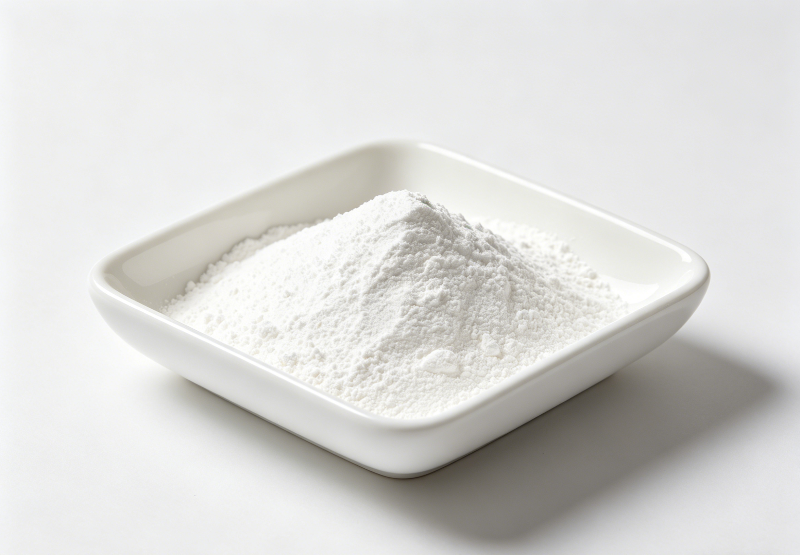
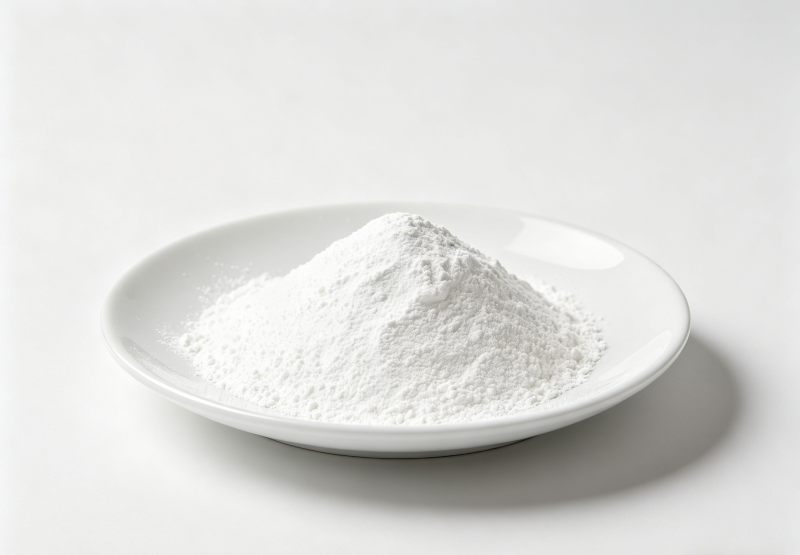
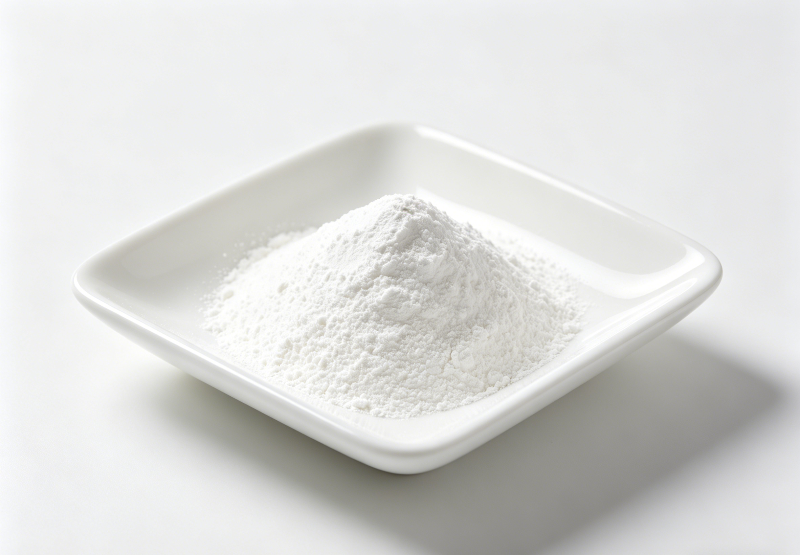
Anhydrous Dextrose is an organic compound with the chemical formula C₆H₁₂O₆.
I. Nature.
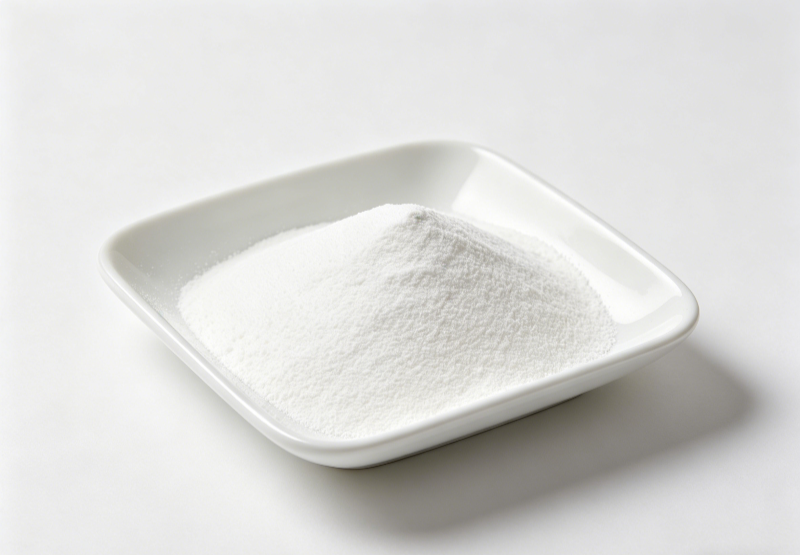
Appearance: white crystalline powder.
Solubility: Easily soluble in water, slightly soluble in ethanol.
Sweetness: About 70% of sucrose.
II. Purposes.
1. Pharmaceutical field.
1.1 As an excipient of medicines, anhydrous dextrose is used to make injections, oral solutions and other preparations. It can regulate the osmotic pressure of medicines, provide energy, etc.
1.2 In medical examination, anhydrous dextrose can be blood sugar measurement and other purposes.
2. Food industry.
2.1 As a sweetener, anhydrous dextrose is widely used in various foods such as beverages, pastries, candy, etc.
2.2 In food processing, it have moisturizing and taste improving effects.
3. Other fields.
3.1 In the chemical industry, anhydrous dextrose can be used to synthesize certain compounds.
3.2 In the field of biotechnology, it can be used as a carbon source for microbial fermentation.
III. Things to note.
1. Excessive intake of anhydrous dextrose can cause an increase in blood sugar. Especially for diabetics, the intake should be controlled under medical guidances.
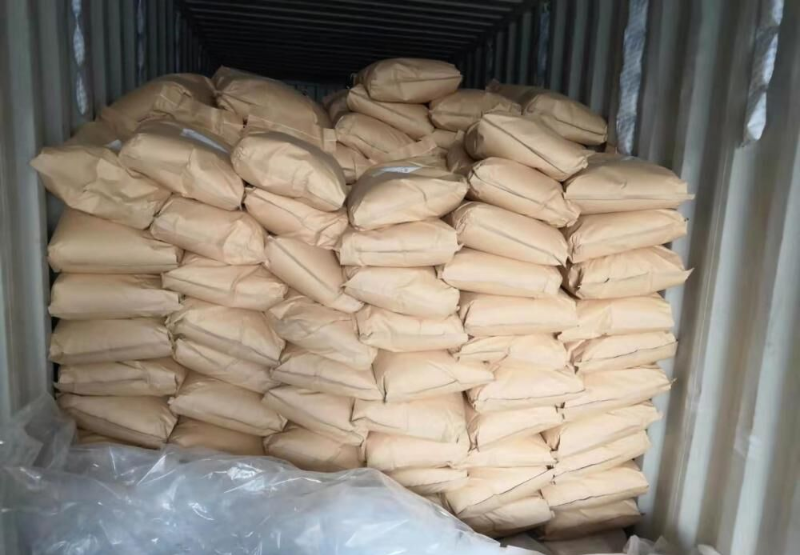
2. When stored, it should be sealed and try to avoid moisture and high ambient temperature.
• Low Calorie • Good Solubility • Wide Applications
| Product Name | Dextrose Anhydrous | Standard | |
| No. | Testing Items | GB/T 20880-2018 | |
| 1 | Sense
organ |
Appearance | Crystalline powder or granules, no visible impurities |
| Colour | White | ||
| Odor | Have specific odor of dextrose, no abnormal odor. | ||
| Taste | Soft sweet taste, no abnormal taste | ||
| 2 | Specific optical rotation/(°) | 52.0-53.5 | |
| 3 | pH | 4.0-6.5 | |
| 4 | Chloride | ≤0.01 | |
| 5 | Water/(%) | ≤ 2.0 | |
| 6 | Sulphated ash/(%) | ≤0.25 | |
| 7 | Assay of dextrose (on dried basis) /(%) | ≥99.5 | |
| Product Name | Dextrose Anhydrous | Standard | |
| No. | Testing Items | GB/T 20880-2018 | |
| 1 | Sense
organ |
Appearance | Crystalline powder or granules, no visible impurities |
| Colour | White | ||
| Odor | Have specific odor of dextrose, no abnormal odor. | ||
| Taste | Soft sweet taste, no abnormal taste | ||
| 2 | Specific optical rotation/(°) | 52.0-53.5 | |
| 3 | pH | 4.0-6.5 | |
| 4 | Chloride | ≤0.01 | |
| 5 | Water/(%) | ≤ 2.0 | |
| 6 | Sulphated ash/(%) | ≤0.25 | |
| 7 | Assay of dextrose (on dried basis) /(%) | ≥99.5 | |


Company founded in Jinan, Shandong
Total manufacturing facility area
Annual production capacity
Dedicated in-house R&D specialists on team
Countries and regions served worldwide
Response guarantee for international inquiries