1
2

Dextrose Monohydrate

  • Natural and Trustworthy Sources
  • 100% Non-GMO, Fully Traceable Raw Materials
  • Stable Supply from China’s Pioneer Manufacturer
  • Fully Customizable to Your Formulation
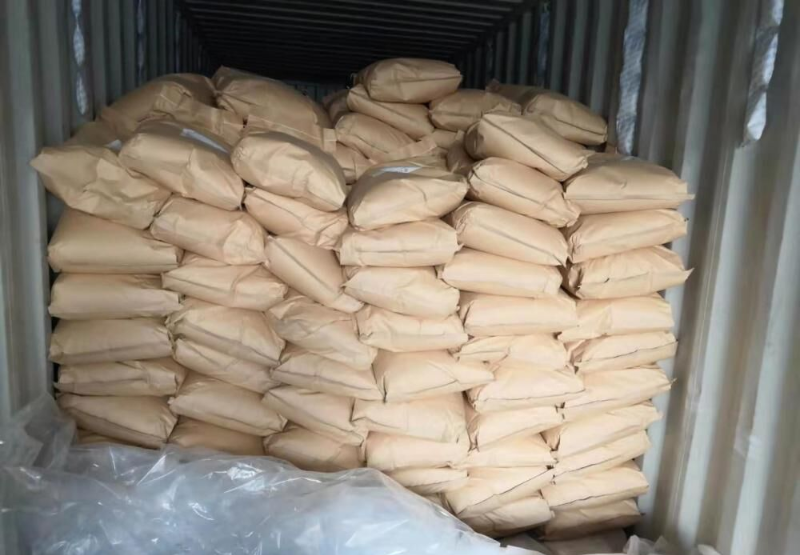
  • MOQ: Flexible (Bulk from 10 ton)

All products comply with:

What is Dextrose Monohydrate?

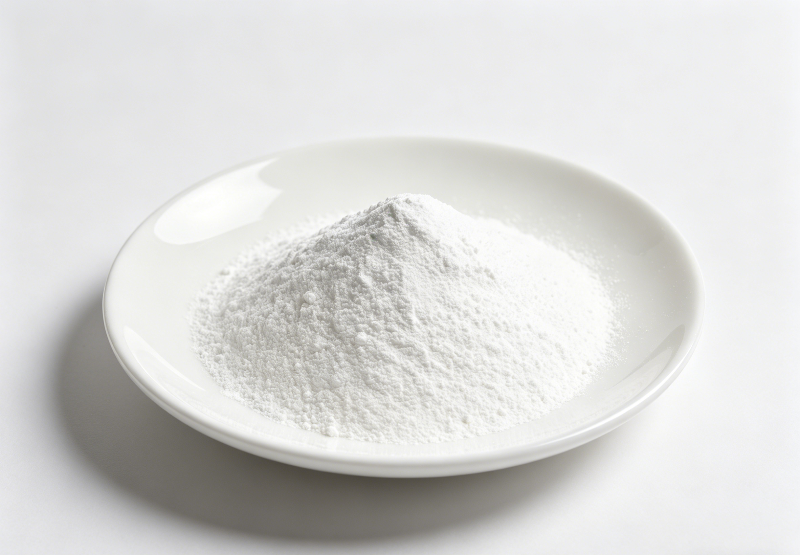
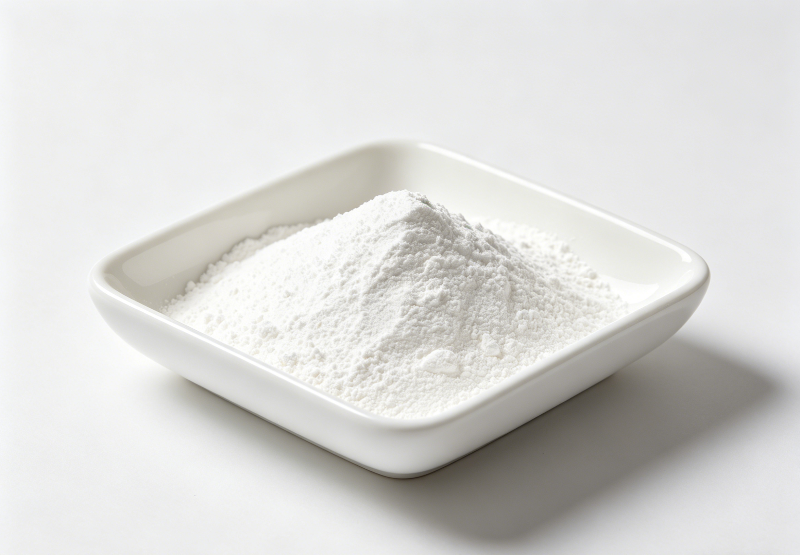
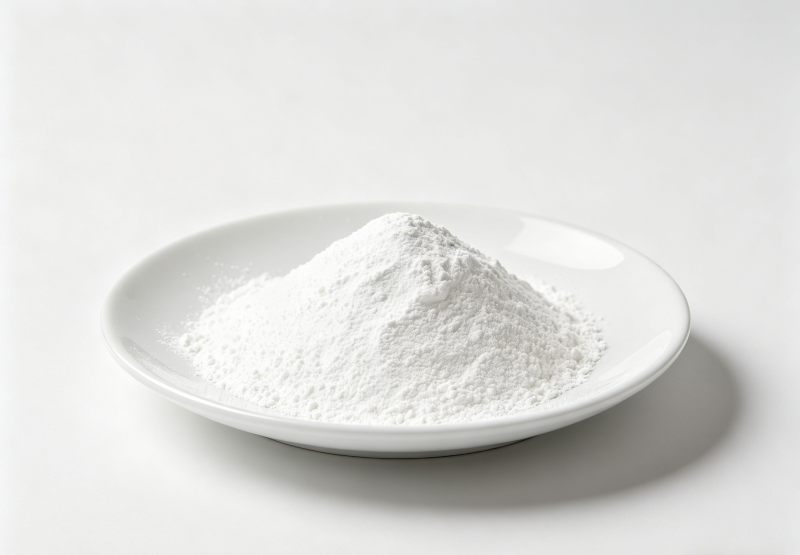
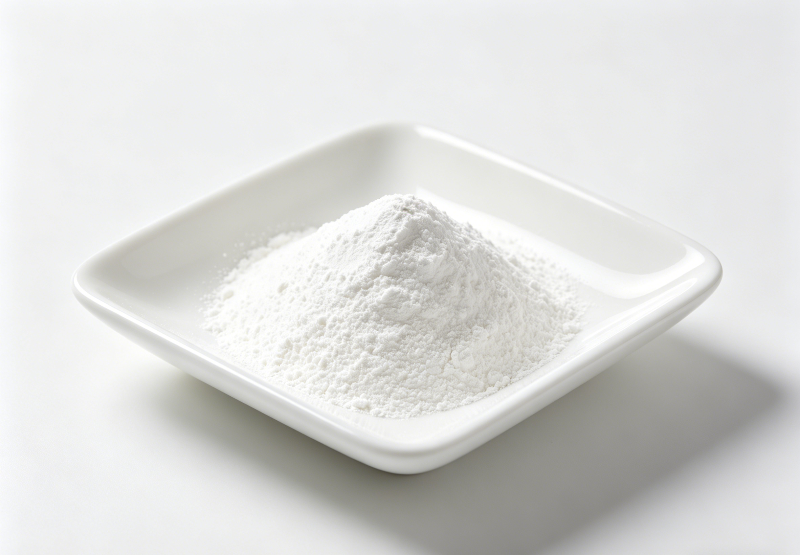
Dextrose Monohydrate, C₆H₁₂O₆・H₂O, is an organic compound.


I. Nature.


1. Appearance.


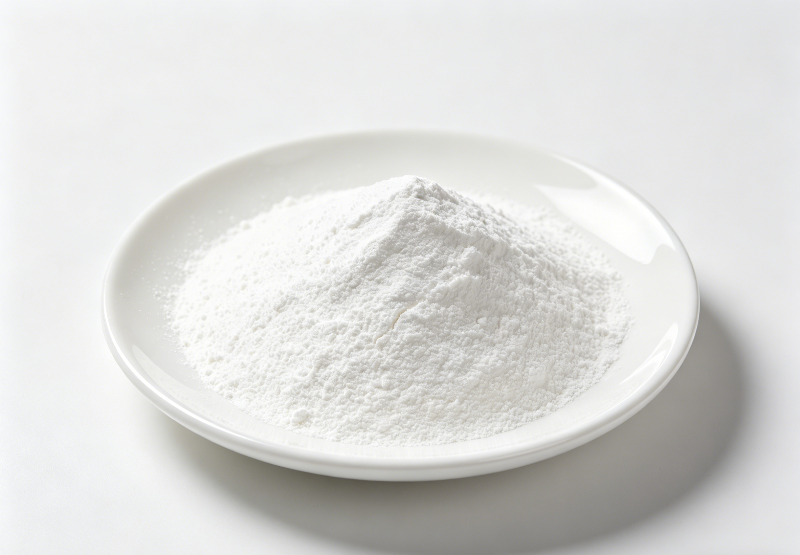
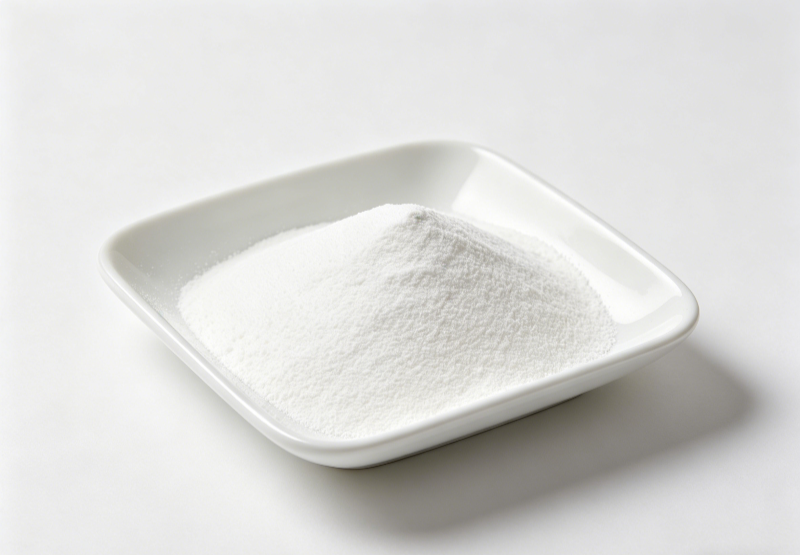
Usually a white crystalline powder.


2. Solubility.


Easily soluble in water, slightly soluble in ethanol.


3. Sweetness.


About 70% of sucrose.


II. Functions in food industry.


1. Sweetener: Dextrose Monohydrate has a sweetness of 70% -80% of sucrose, with a refreshing sweetness. It is used in beverages, candies, pastries, and preserves.


2. Moisturizing/Hydrating: Moderate moisture absorption to prevent pastry and meat products from drying out and extending shelf life.


3. Fermentation promotion: yeast gives priority to the use of carbon sources to accelerate the fermentation of bread/Mantou and make the finished product soft.


4. Anti corrosion and preservation: High concentration forms high permeability, inhibits microorganisms, and is used for candied fruits and dried fruits.


5. Processing aids: Dextrose Monohydrate can prevent sucrose crystallization (gummies), lower freezing point (ice cream), and improve texture.


III. Purposes and uses.


1. Food industry.


1.1 As a sweetener, dextrose monohydrate is widely used in various foods such as beverages, pastries, candies, etc.


1.2 It can be used to adjust the sweetness and taste of food while providing energy to the human body.


2. Pharmaceutical field.


2.1 Dextrose Monohydrate can be made into dextrose injection, which is used to quickly replenish energy and body fluids, treat hypoglycemia, hyperkalemia, etc.


2.2 In the pharmaceutical process, it is used as an excipient to make drugs.


3. Chemical industry.


Dextrose Monohydrate can be used to make chemical products such as sodium gluconate.


IV. Production methods.


1. Starch hydrolysis method.


Using starch as raw material, starch is converted into dextrose by acid hydrolysis or enzymatic hydrolysis.


Then, through refining, concentration, crystallization and other process steps, dextrose monohydrate is obtained.


2. Dextrose isomerase method.


Dextrose is first converted into fructose and then separated by crystallization to obtain dextrose monohydrate.


In short, dextrose monohydrate has important applications in many fields.


Low Calorie  Good Solubility  Wide Applications

Product Specifications

Testing Items Standard
Sense

organ

Appearance Crystalline powder or granules, no visible impurities
Colour White
Odor Have specific odor of glucose, no abnormal odor.
Taste Soft sweet taste, no abnormal taste
Specific optical rotation (°) 52.0-53.5
pH 4.0-6.5
Chloride(%) ≤0.01
Water(%) ≤10
Sulphated ash(%) ≤0.25
Assay of glucose

(on dried basis) (%)

≥99.5

Product Specifications

Testing Items Standard
Sense

organ

Appearance Crystalline powder or granules, no visible impurities
Colour White
Odor Have specific odor of glucose, no abnormal odor.
Taste Soft sweet taste, no abnormal taste
Specific optical rotation (°) 52.0-53.5
pH 4.0-6.5
Chloride(%) ≤0.01
Water(%) ≤10
Sulphated ash(%) ≤0.25
Assay of glucose

(on dried basis) (%)

≥99.5
Full COA and specification sheet available upon request or sample order.

One Ingredient. Endless Possibilities.

Bakery & Snacks

Beverages & Alcohol

Dairy & Dairy Alternatives

Confectionery

Savory

Nutritional Supplements

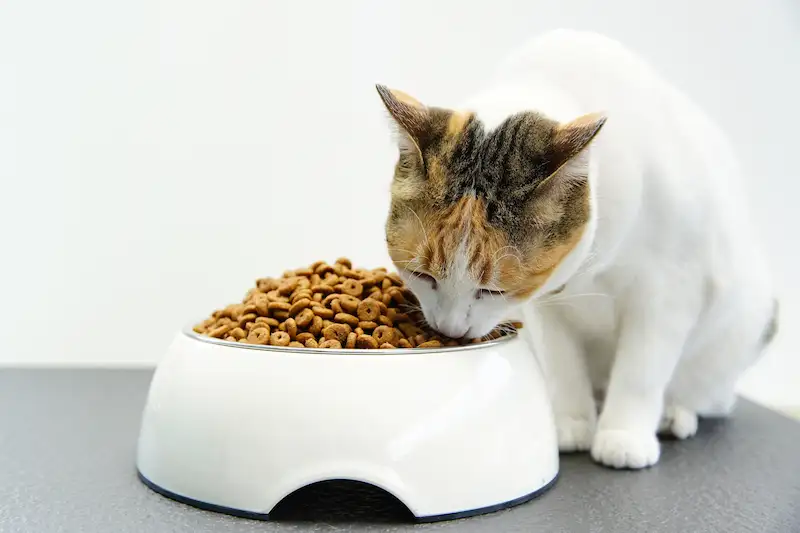
Animal Nutrition

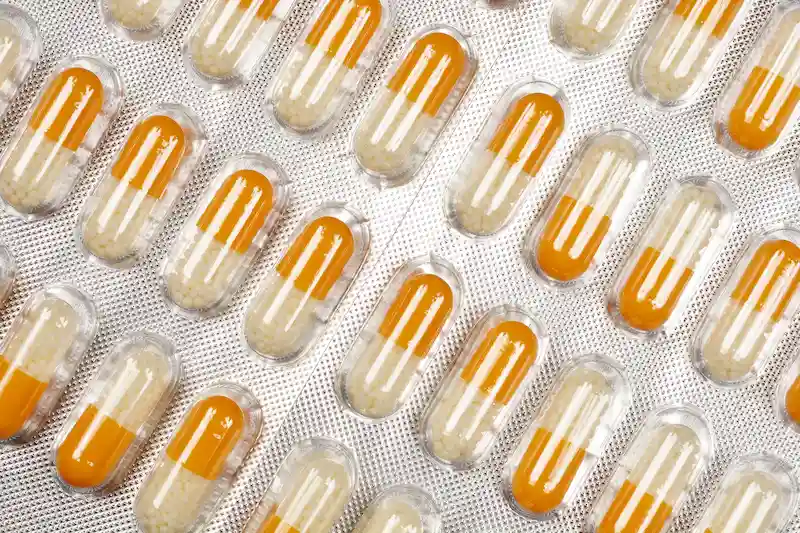
Pharma & Industrial

Why Choose SAIGAO as Your Long-Term Supplier?

2008:

Company founded in Jinan, Shandong

350,000 m²:

Total manufacturing facility area

100,000 tons:

Annual production capacity

45:

Dedicated in-house R&D specialists on team

50+:

Countries and regions served worldwide

12 hours:

Response guarantee for international inquiries

Contact Us Anytime

Our team will respond within 12 hours.
Drag & Drop Files, Choose Files to Upload