imresizer-1-21

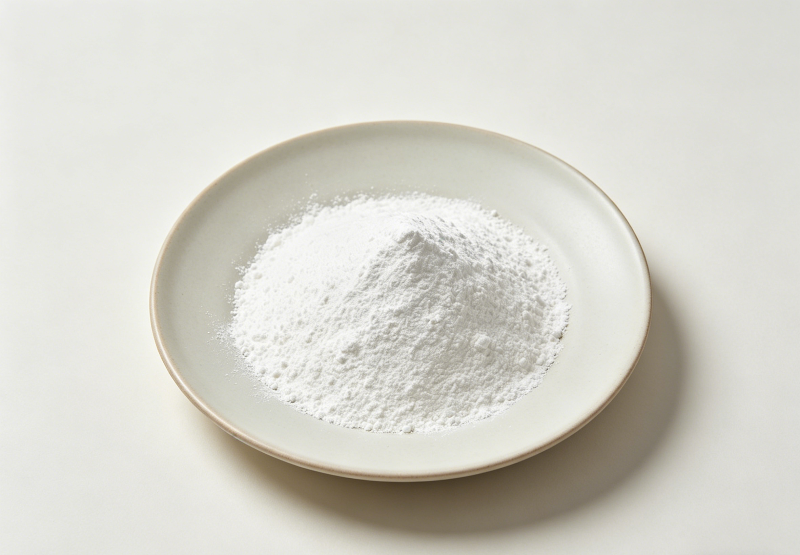
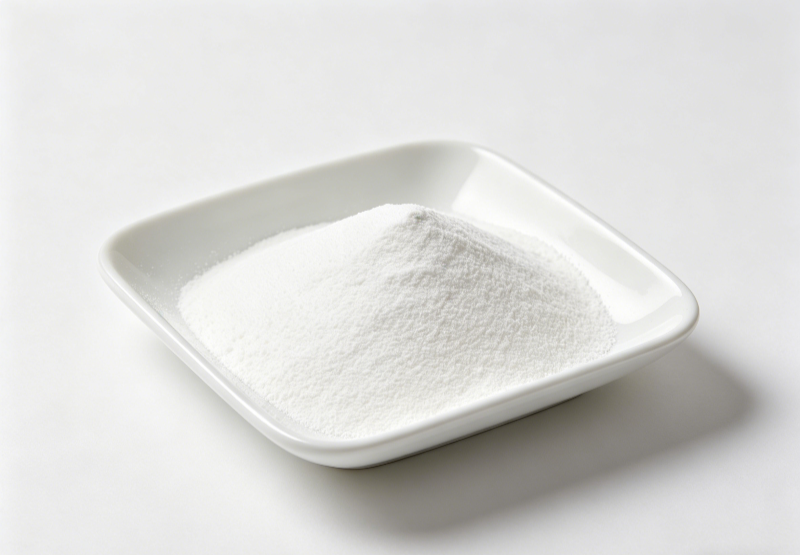
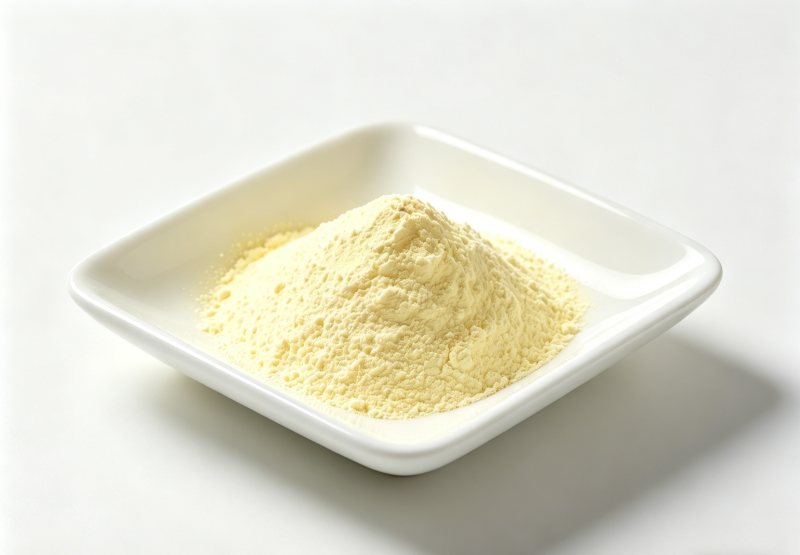
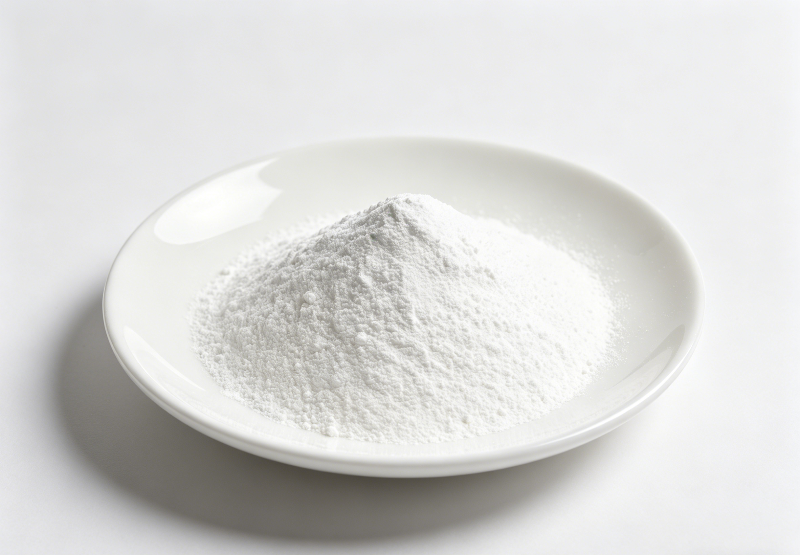
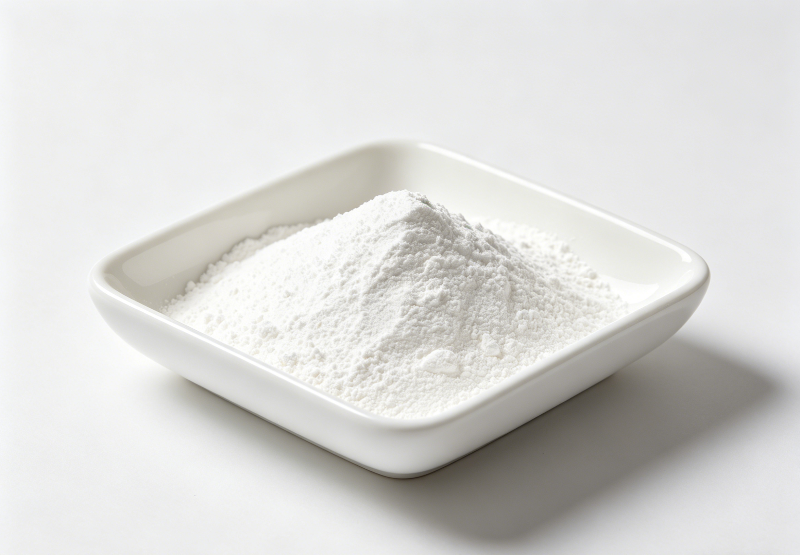
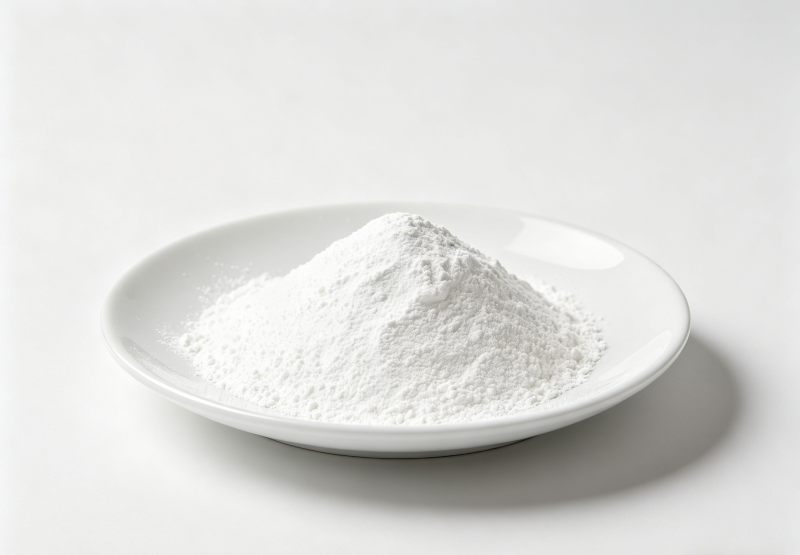
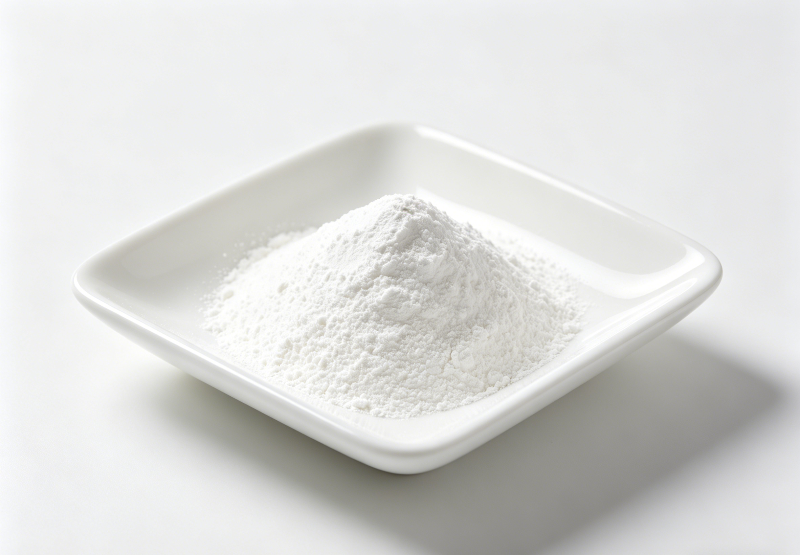
L-Carnitine

  • High Quality Raw Materials
  • Stable Supply from China’s Pioneer Manufacturer
  • Fully Customizable to Your Formulation
  • MOQ: Flexible

All products comply with:

What is L-Carnitine?

L-carnitine is a widely discussed nutrient that is often associated with energy metabolism and weight management.


I. Basic concepts.


L-Carnitine is a type of amino acid substance that is not an amino acid, but is synthesized in the body from lysine and methionine, and can also be obtained from food. Its chemical structure is similar to amino acids, and its main function in the human body is to participate in fat metabolism.


II. Main physiological functions.


1. Promote fat oxidation for energy supply: This is the core function of L-carnitine. It can transport long-chain fatty acids to mitochondria like a ‘porter’, causing them to be oxidized and broken down, releasing energy for the body to use. Simply put, it helps the body utilize fat more effectively as a source of energy.


2. Maintain energy balance: During high-intensity exercise, muscles produce a large amount of lactate, and L-carnitine helps reduce lactate accumulation while promoting energy generation and relieving exercise fatigue.


3. Protect heart health: The heart has a high demand for energy, and L-carnitine can provide energy support for myocardial cells, improve heart function, and may be used in the adjuvant treatment of some heart diseases.


4. Renal protective effect: For patients with chronic kidney disease, the synthesis of L-carnitine in the body may be reduced, and supplementing L-carnitine can help improve related symptoms such as muscle weakness.


III. Food sources.


L-carnitine is widely distributed in food, and the following are some of its main sources:


Red meat (beef, lamb, etc.): Rich in content, it is a high-quality food source for L-carnitine.


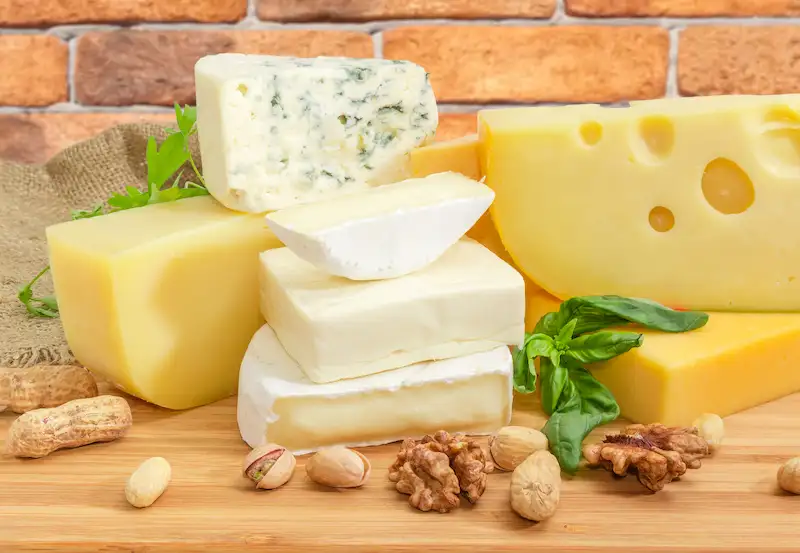
Dairy products: such as milk and yogurt, also contain a certain amount of L-carnitine.


Other: Fish, poultry, and some plant-based foods (such as avocado) also contain small amounts of L-carnitine, but the content is relatively low.


IV. Application of supplements.


1. Applicable scenarios:


Athletes: Some athletes supplement with L-carnitine in the hope of improving athletic performance and promoting fat burning.


Weight loss population: Some people believe that L-carnitine can help reduce fat and often use it as a weight loss supplement.


Patients with specific diseases: such as chronic kidney disease, may need to supplement with L-carnitine under the guidance of a doctor.


2. Safety: L-carnitine supplements are relatively safe within the recommended dosage range, but may cause some side effects such as nausea, diarrhea, headache, etc. Excessive supplementation may have adverse effects on health, so it is not recommended to take large amounts on your own.


Promote Fat Oxidation for Energy Supply  • Maintain Energy Balance  • Protect Heart and Kidney

Product Specifications

Full COA and specification sheet available upon request or sample order.

One Ingredient. Endless Possibilities.

Bakery & Snacks

Beverages & Alcohol

Dairy & Dairy Alternatives

Confectionery

Savory

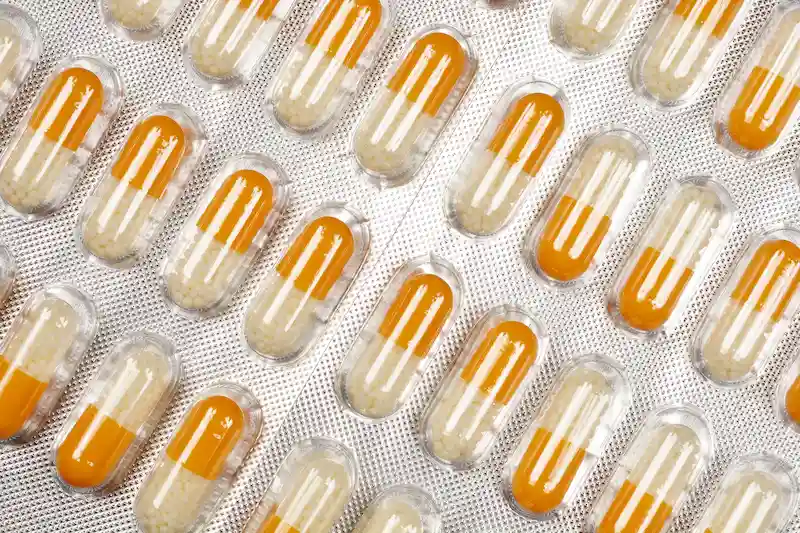
Nutritional Supplements

Animal Nutrition

Pharma & Industrial

Why Choose SAIGAO as Your Long-Term Supplier?

2008:

Company founded in Jinan, Shandong

350,000 m²:

Total manufacturing facility area

100,000 tons:

Annual production capacity

45:

Dedicated in-house R&D specialists on team

50+:

Countries and regions served worldwide

12 hours:

Response guarantee for international inquiries

Contact Us Anytime

Our team will respond within 12 hours.
Drag & Drop Files, Choose Files to Upload