imresizer-1-16

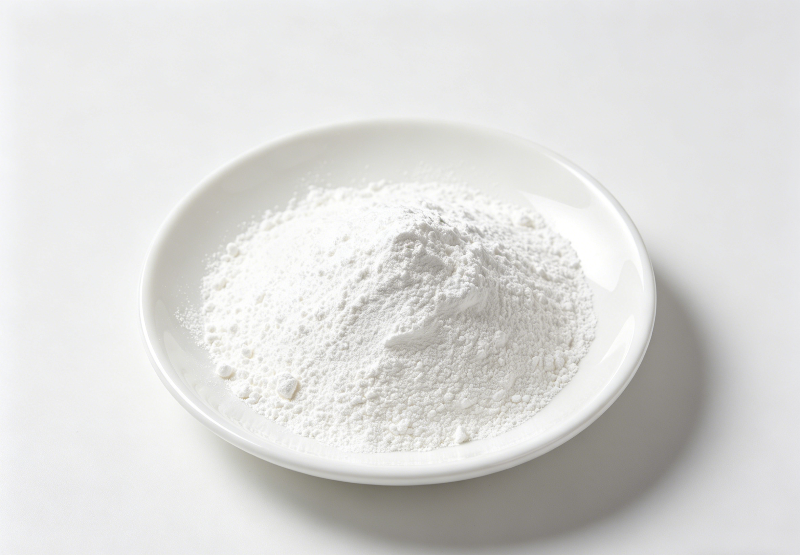
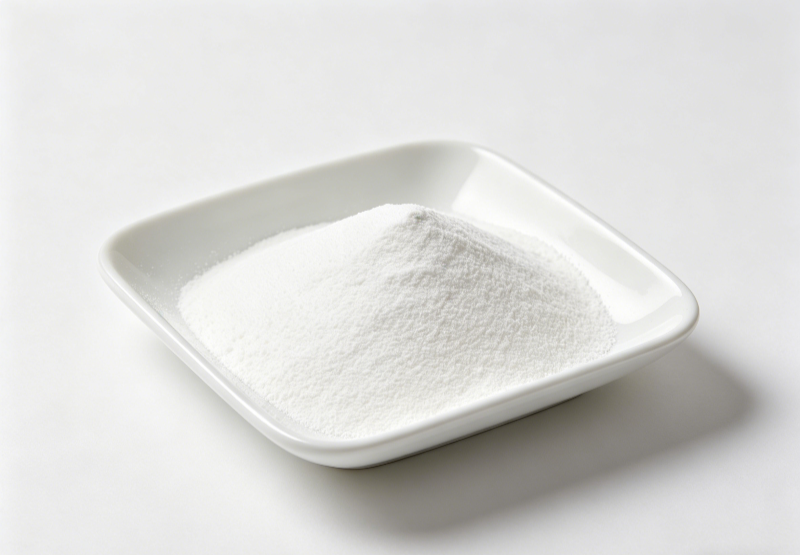
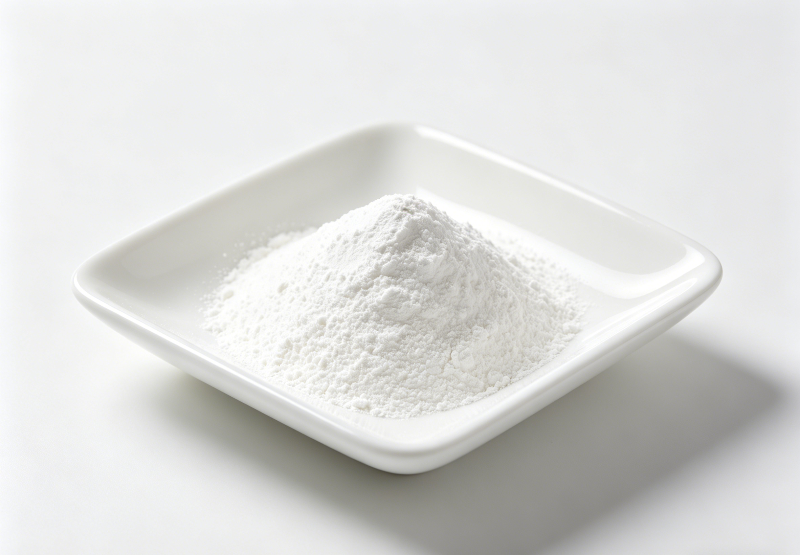
Vitamin D3

  • High Quality Raw Materials
  • Stable Supply from China’s Pioneer Manufacturer
  • Fully Customizable to Your Formulation
  • MOQ: Flexible

All products comply with:

What is Vitamin D3?

Vitamin D3 is one of the most important active forms in the vitamin D family, belonging to fat soluble vitamins that play a key role in human calcium and phosphorus metabolism, bone health, and immune function. Its uniqueness lies in the fact that the human body can synthesize it through the skin or obtain it from food.


I. Basic characteristics and sources.


1. Food sources: Deep sea fish (such as salmon and tuna), cod liver oil, egg yolks, and dairy products, which are the main food sources of vitamin D3.


2. Metabolic process: Vitamin D3 itself is inactive and needs to be metabolized by the liver to 25 hydroxyvitamin D3, which is then converted by the kidneys to 1,25-dihydroxyvitamin D3 (active form) in order to take effect.


II. Core physiological functions.


1. Regulate calcium and phosphorus metabolism to maintain bone health.


Promote the absorption of calcium and phosphorus in the intestine, increase the concentration of calcium and phosphorus in the blood, and provide raw materials for bone mineralization.


Maintain the strength of bones and teeth, prevent rickets in children, osteomalacia in adults, and osteoporosis in the elderly.


2. Regulate immune function.


Enhance the activity of immune cells (such as T cells and B cells) to help resist pathogen infections (such as respiratory infections).


3. Other potential effects.


Vitamin D3 has a significant impact on muscle function, preventing muscle weakness and easy falls (especially in the elderly).


Related to cardiovascular health, reducing the risk of hypertension and coronary heart disease.


III. Supplementing and recommending intake.


Recommended intake (calculated based on the total daily vitamin D intake, including D₂ and D3):


1. Infants (0-1 years old): 400-600 IU


2. Children and adults (1-70 years old): 600-800 IU


3. Elderly people (over 70 years old): 800 IU


4. Special populations (such as pregnant women, lactating women, and those with insufficient sun exposure): can be appropriately increased to 800-1000 IU


IV. Precautions.


1. Before supplementation, it is recommended to test the serum level of 25 hydroxyvitamin D (normal range is 20-50 ng/ml). A level below 12 ng/ml is considered severe deficiency.


2. When used in combination with calcium supplements, attention should be paid to the dosage to avoid hypercalcemia.


3. Patients with renal insufficiency should be cautious as the production of active vitamin D depends on renal function.

Maintain Bone Health  • Regulate Immune Function  • Prevent Muscle Weakness

Product Specifications

Full COA and specification sheet available upon request or sample order.

One Ingredient. Endless Possibilities.

Bakery & Snacks

Beverages & Alcohol

Dairy & Dairy Alternatives

Confectionery

Savory

Nutritional Supplements

Animal Nutrition

Pharma & Industrial

Why Choose SAIGAO as Your Long-Term Supplier?

2008:

Company founded in Jinan, Shandong

350,000 m²:

Total manufacturing facility area

100,000 tons:

Annual production capacity

45:

Dedicated in-house R&D specialists on team

50+:

Countries and regions served worldwide

12 hours:

Response guarantee for international inquiries

Contact Us Anytime

Our team will respond within 12 hours.
Drag & Drop Files, Choose Files to Upload