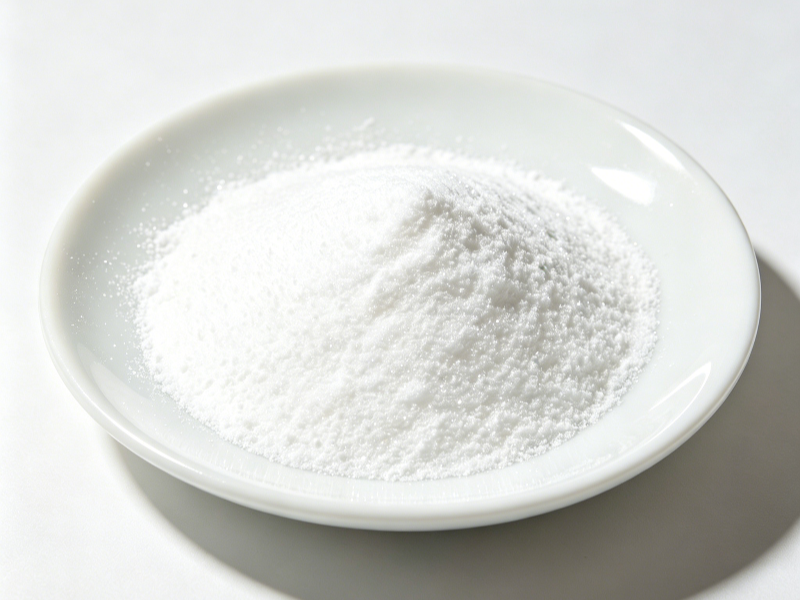
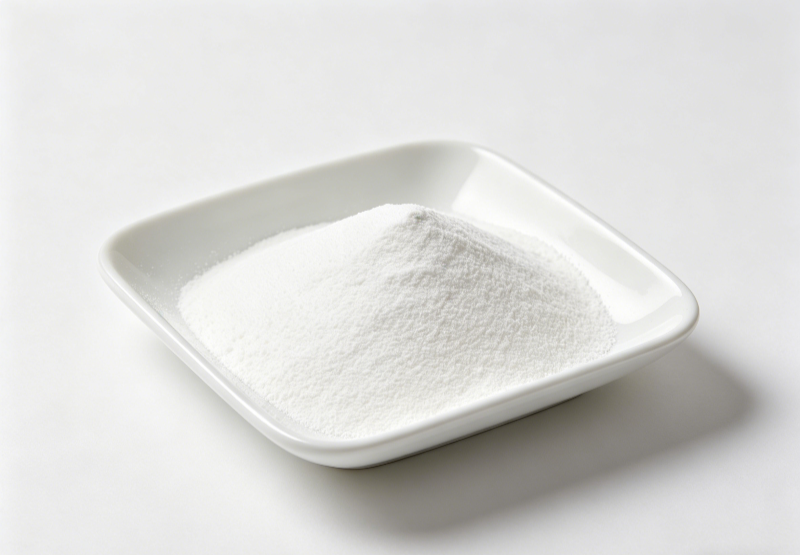
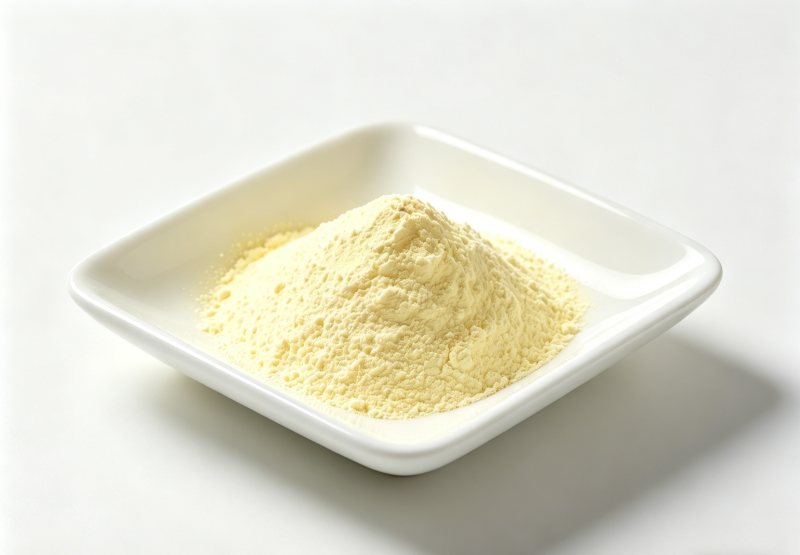
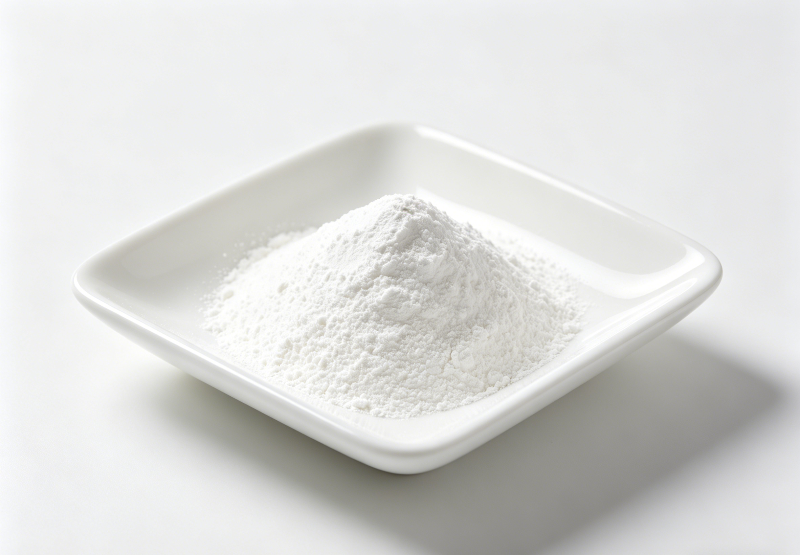
Allulose Crystal is a premium crystalline form of allulose, offering moderate sweetness similar to sucrose without the bitterness or peculiar smell of some artificial sweeteners.
I. Basic information.
1. Chemical properties: This monosaccharide is an epimer of fructose. Due to its chemical structure, it has unique properties. It has reducing properties and can undergo the Maillard reaction. Under certain conditions, it can react with proteins and amino acids, producing special taste and color changes.
2. Sweetness and calories: The sweetness is about 70% of sucrose, but the calories are extremely low at only 0.2 – 0.4 kcal per gram (compared to 4 kcal per gram of sucrose), making it suitable for people who need to control their calorie intake.
3. Glycemic response: The glycemic index is 1 and the insulin index is 1.5. It has minimal effects on blood sugar and insulin levels, making it a sweetener suitable for people managing their blood sugar levels.
II. Source and production.
Allulose occurs naturally in some plants such as wheat, figs, and raisins, but in very small amounts. At present, this premium sweetener is mainly derived from fructose extracted from corn starch through biotechnology and enzymatic treatment. After a series of separation, purification, and crystallization processes, the final product is obtained.
III. Advantages.
1. Taste and aroma: Offering moderate sweetness, it acts as an excellent substitute for sucrose in various foods and beverages to give the product a satisfying taste.
2. Low-calorie health characteristics: The low-calorie function helps support healthy weight goals and reduces excess calorie intake. Allulose Crystal is an ideal choice for those who want to limit their calorie intake but still enjoy sweetness, such as fitness enthusiasts.
3. Excellent processing properties:
-
Good solubility: It dissolves quickly in water, making it easy to add to various liquid beverages.
-
High stability: It can maintain a relatively stable crystal structure and chemical properties under temperature and humidity variations, maintaining product quality during storage.
-
High compatibility: It can be used in conjunction with other sweeteners and food additives to enrich the taste and appearance of the product.
IV. Application areas.
1. Food industry:
-
Bakery products: It can be used to make bread, cakes, and biscuits, providing sweetness while reducing calories. Due to its Maillard reaction properties, it helps baked goods develop an attractive color.
-
Candy and chocolate: As a sucrose substitute, it meets consumers’ demand for sweetness while aligning with healthy consumption trends.
-
Beverages: Allulose Crystal can be added to carbonated drinks, fruit drinks, and tea to add sweetness without significantly affecting blood sugar levels.
-
Sauces and condiments: Added to ketchup, salad dressing, and sweet pasta sauce to improve taste and reduce conventional sugar use.
2. Pharmaceutical field: In some special preparations such as oral liquids and lozenges, this functional ingredient can be used as a sweetener to improve taste without causing adverse effects, meeting the sugar intake restrictions of users with specific dietary requirements.















 English
  Russian
  Spanish
  French
  Arabic