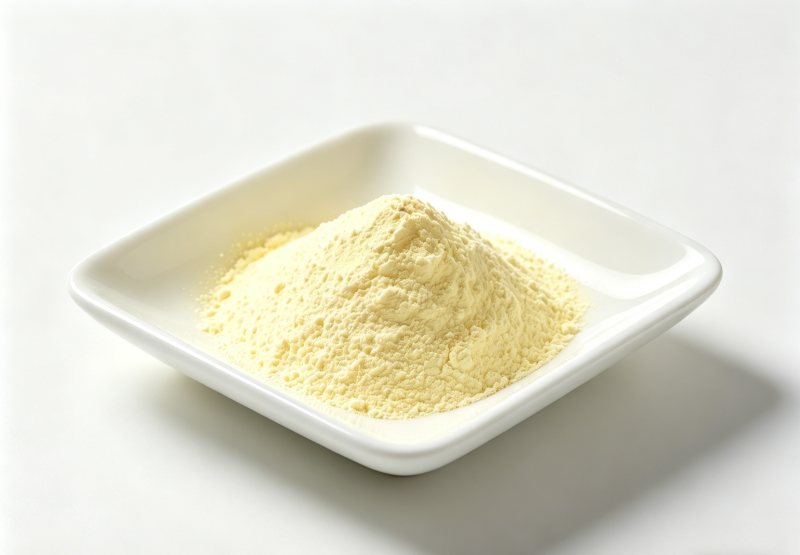
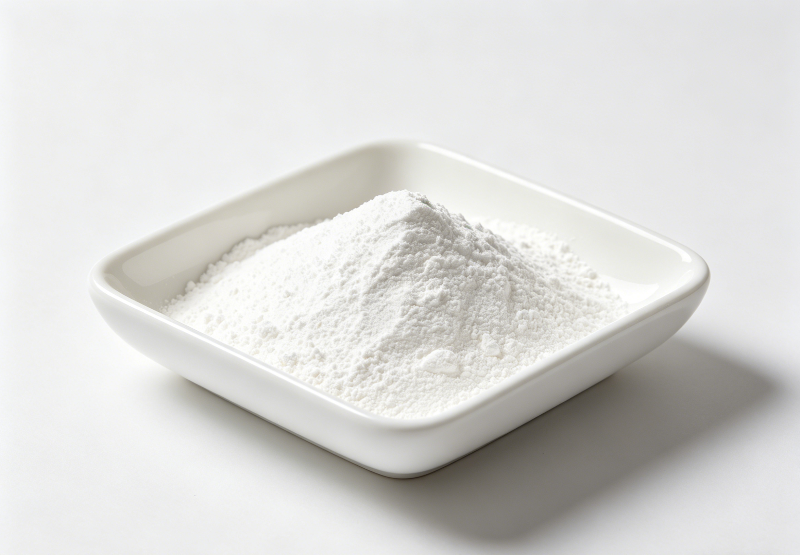
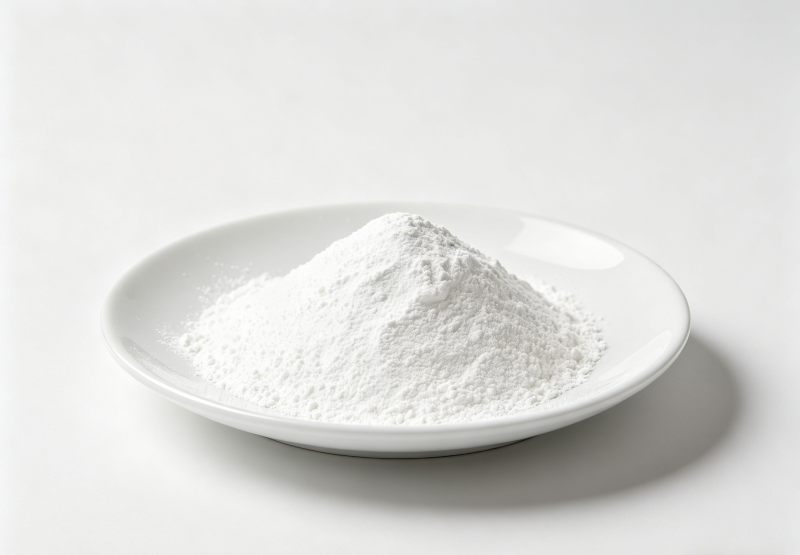
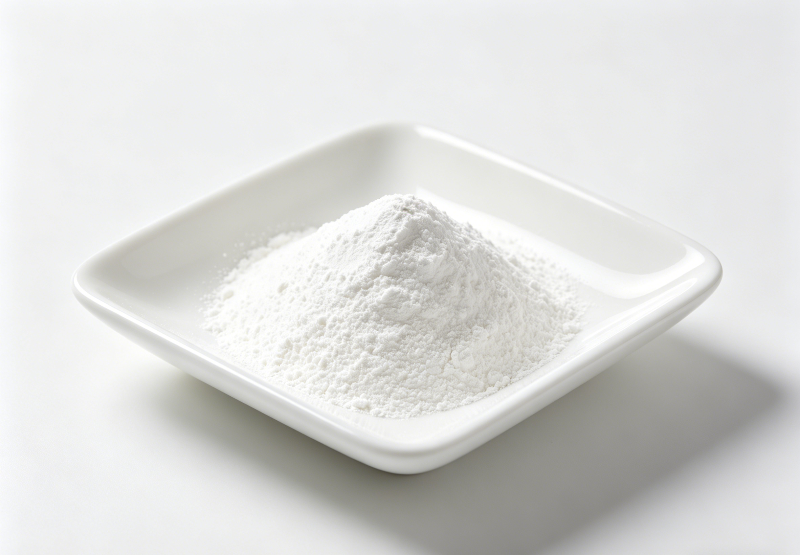
Xanthan gum, also known as yellow, is an extracellular acidic heteropolysaccharide produced by the fermentation of Xanthomonas. It is a polysaccharide polymer compound composed of D-glucose, D-mannose and D-glucuronic acid in a ratio of 2:2:1, with a relative molecular mass of more than 1 million.
I. Performance characteristics.
Xanthan gum is currently the most superior biological gum in the world that integrates thickening, suspension, emulsification and stabilization. The number of pyruvate groups contained at the end of the molecular side chain of xanthan gum has a great influence on its performance. Xanthan gum has the general properties of long-chain polymers, but it contains more functional groups than ordinary polymers and will show unique properties under specific conditions. Its conformation in aqueous solution is diverse and it exhibits different properties under different conditions.
1. Suspending and emulsifying properties.
Xanthan gum has a good suspending effect on insoluble solids and oil droplets. Xanthan gum sol molecules can form super-bonded ribbon-shaped helical copolymers, forming a fragile glue-like network structure, so they can support the shape of solid particles, droplets and bubbles, showing strong emulsion stabilization and high suspension ability.
2. Good water solubility.
Xanthan gum can dissolve quickly in water and has good water solubility. Especially it can also be dissolved in cold water, which can save the complicated processing process and is easy to use. However, because it is extremely hydrophilic, if water is added directly without sufficient stirring, the outer layer will absorb water and swell into micelles, which will prevent water from entering the inner layer and affect the performance of the function. Therefore, care must be taken to use it correctly. Mix xanthan gum dry powder or dry powder accessories such as salt and sugar evenly, then slowly add it to the stirring water to make a solution for use.
3. Thickening.
Xanthan gum solution has the characteristics of low concentration and high viscosity (the viscosity of 1% aqueous solution is equivalent to 100 times that of gelatin), and is an efficient thickener.
4. Pseudoplasticity.
Xanthan gum aqueous solution has high viscosity under static or low shear. Under high shear, the viscosity drops sharply, but the molecular structure remains unchanged. When the shear force is eliminated, the original viscosity is restored immediately. The relationship between shear force and viscosity is completely plastic. Xanthan gum has outstanding pseudoplasticity, which is extremely effective in stabilizing suspensions and emulsions.
5. Stability to heat.
The viscosity of xanthan gum solution will not change greatly with changes in temperature. General polysaccharides will change in viscosity due to heating, but the viscosity of xanthan gum aqueous solution has almost no change between 10-80℃, even at low concentrations. The aqueous solution still shows stable high viscosity over a wide temperature range. 1% xanthan gum solution (containing 1% potassium chloride) is heated from 25℃ to 120℃. Its viscosity is reduced by only 3%.
6. Stability to acids and bases.
Xanthan gum solution is very stable to acids and alkalis. Its viscosity is not affected when the pH is between 5 and 10. The viscosity changes slightly when the pH is less than 4 and greater than 11. In the range of PH3-11, the difference between the maximum viscosity and the minimum value is less than 10%. Xanthan gum can be dissolved in a variety of acid solutions, such as 5% sulfuric acid, 5% nitric acid, 5% acetic acid, 10% hydrochloric acid and 25% phosphoric acid, and these xanthan gum acid solutions are quite stable at room temperature. The quality of the file will not change for several months. Xanthan gum is also soluble in sodium hydroxide solution and has thickening properties. The resulting solution is very stable at room temperature. Xanthan gum can be degraded by strong oxidants such as perchloric acid and persulfuric acid. As the temperature increases, the degradation accelerates.
7. Stability to salt.
Xanthan gum solution is miscible with many salt solutions (potassium salt, sodium salt, calcium salt, magnesium salt, etc.) without affecting the viscosity. Under higher salt concentration conditions, its solubility is maintained without precipitation and flocculation even in saturated salt solutions, and its viscosity is almost unaffected.
8. Stability to enzymatic hydrolysis reaction.
The stable double helix structure of xanthan gum makes it extremely resistant to oxidation and enzymatic degradation. Many enzymes such as proteases, amylase, cellulases and hemicellulases cannot degrade xanthan gum.
II. Applications.
Xanthan gum can be widely used as a thickener, suspending agent, emulsifier, and stabilizer. Used in more than 20 industries such as food, petroleum, and medicine, it is currently the largest production scale and extremely versatile microbial polysaccharide in the world.
1. Food: Xanthan gum is added to many foods as a stabilizer, emulsifier, suspending agent, thickener and processing aid. Xanthan gum can control the rheology, structure, flavor and appearance of products, and its pseudoplasticity can ensure a good taste. Therefore, it is widely used in salad dressings, bread, dairy products, frozen foods, beverages, condiments, brewing,sweets, pastries, soups and canned foods. In recent years, people in more developed countries often worry that the caloric value in food is too high and will make them fat. Xanthan gum dispels this concern because it cannot be directly degraded by the human body. In addition, according to a report from Japan in 1985, xanthan gum was the most effective anti-cancer agent among eleven food additives.
2. Daily chemical industry: Xanthan gum molecules contain a large number of hydrophilic groups. It is a good surface-active substance and has the effects of antioxidant and preventing skin aging. Therefore, almost the vast majority of high-end cosmetics use xanthan gum as their main functional ingredient. In addition, xanthan gum can also be used as an ingredient in toothpaste to thicken and shape the toothpaste, reducing tooth surface wear.
3. Medical: Xanthan gum is currently a popular functional component in microencapsulated drug capsules in the world. It plays an important role in controlling the sustained release of drugs; due to its strong hydrophilicity and water retention, there are many applications in specific medical operations, such as forming a dense water film to avoid skin infection; reducing patients’ thirst after radiation therapy, etc.
4. Industry and agriculture: In the petroleum industry, due to its strong pseudoplasticity, a low concentration of xanthan gum (0.5%) aqueous solution can maintain the viscosity of the drilling fluid and control its rheological properties. Therefore, it can be used in high-speed rotating drill bits. The viscosity is extremely small in the location, saving power; while the viscosity is maintained high in the relatively stationary drilling location, thereby preventing the well wall from collapsing. And because of its excellent salt resistance and heat resistance, it is widely used in drilling in special environments such as oceans and high-salt areas. It can also be used as an oil recovery and displacement agent to reduce dead oil areas and improve oil recovery.











 English
  Russian
  Spanish
  French
  Arabic