Calcium ascorbate, also known as VC calcium, is a salt compound formed by the combination of vitamin C (ascorbic acid) and calcium. It combines the biological activity of vitamin C with the nutritional supplement effect of calcium, and has unique advantages in stability, applicability, and other aspects.
I. Basic properties.
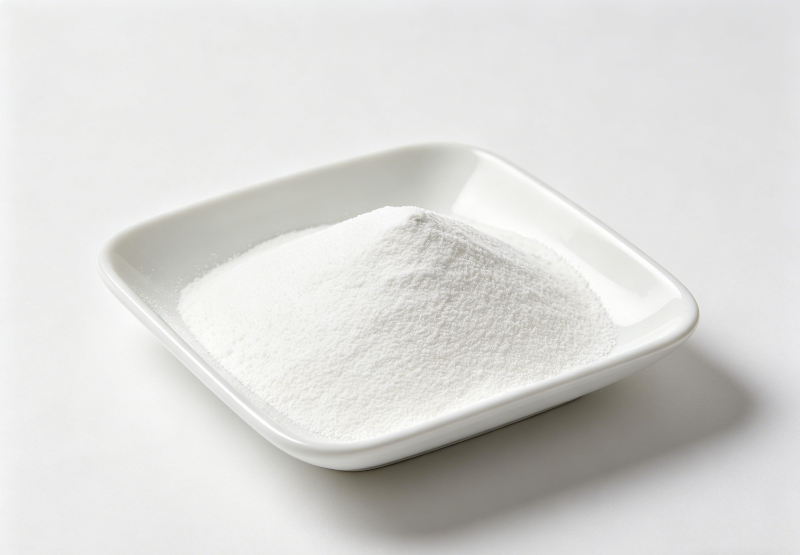
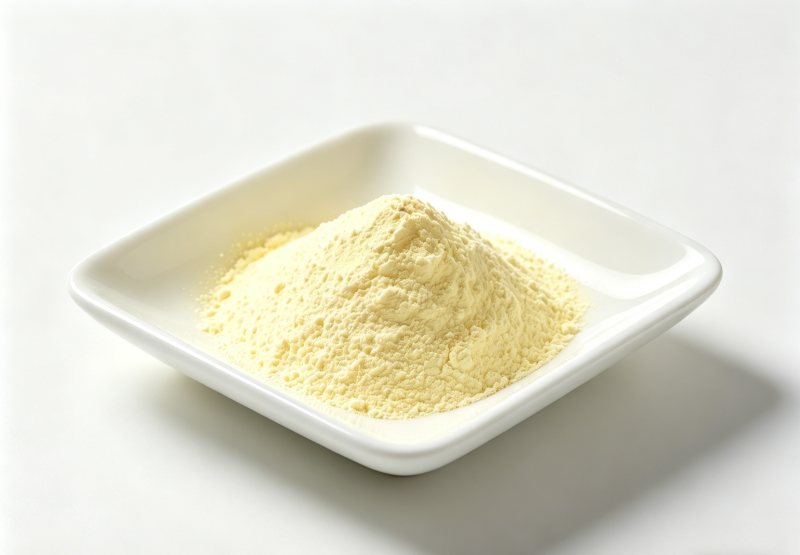
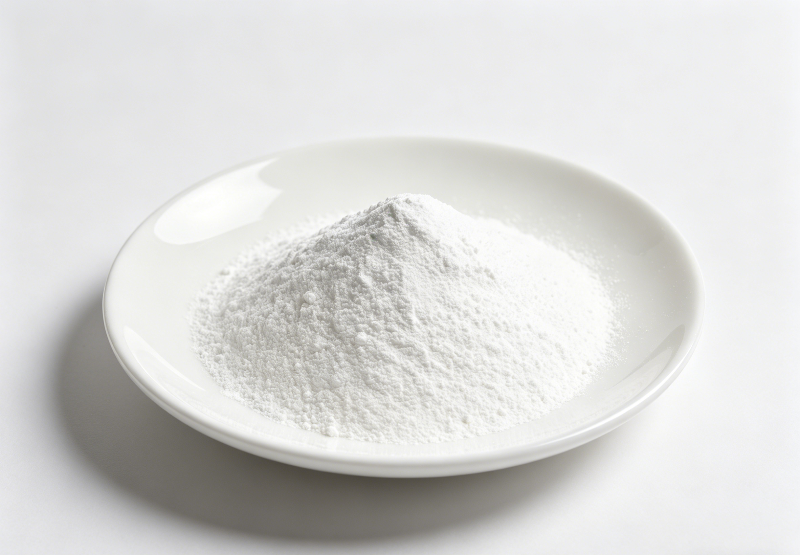
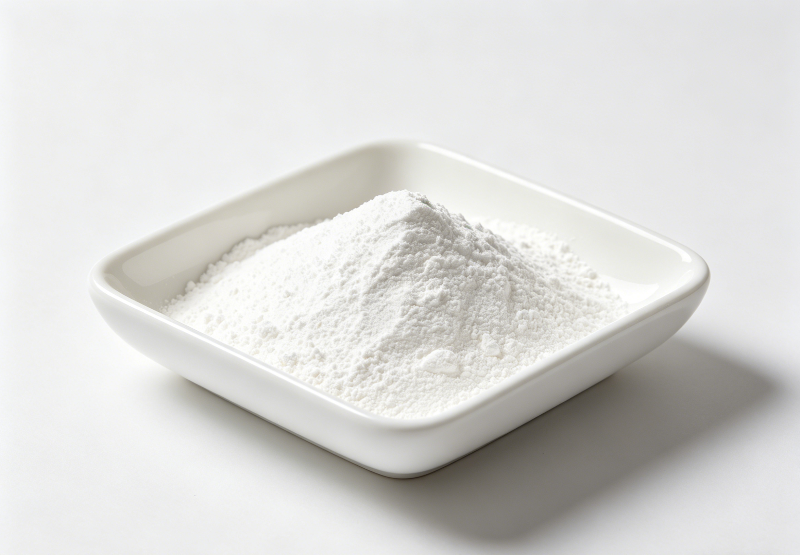
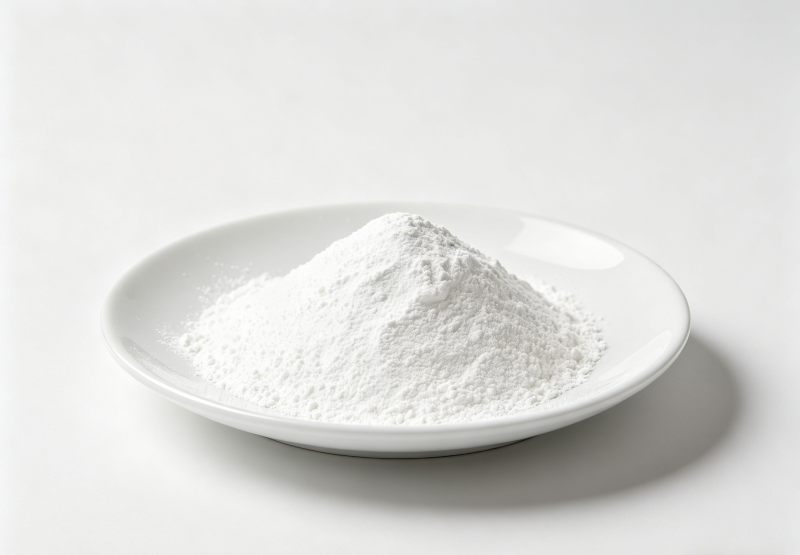
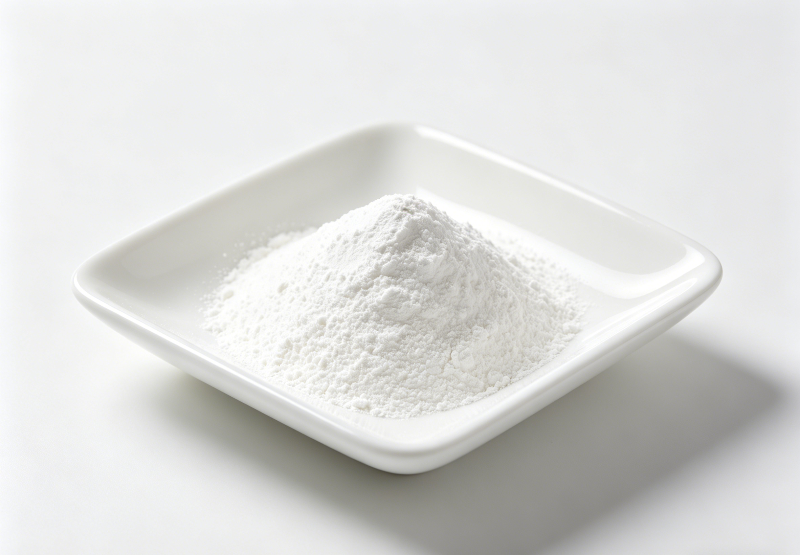
1. Chemical structure: The molecular formula is C₁₂H₁₄CaO₁₂·2H₂O, with a molecular weight of 426.35. It is a white to light yellow crystalline powder, odorless, slightly sweet in taste, easily soluble in water, and weakly acidic in aqueous solution (pH about 6.0-7.5). It is insoluble in organic solvents such as ethanol and ether.
2. Stability: Compared to ascorbic acid (pure vitamin C), calcium ascorbate significantly improves stability to light, heat, and oxygen, and is not easily oxidized or decomposed. It is particularly stable in neutral or weakly alkaline environments, making it easier to process and store.
3. Irritation: Due to its weak acidity and no obvious sour taste, Calcium ascorbate has much less irritation to the gastrointestinal tract than ascorbic acid, making it more suitable for sensitive populations.
II. Core functions and roles.
1. Dual nutritional supplementation.
As a source of vitamin C: Calcium ascorbate can be broken down into ascorbic acid in the body, participating in collagen synthesis, promoting iron absorption, enhancing immunity, antioxidant (clearing free radicals), etc., to prevent and treat vitamin C deficiency.
As a source of calcium: providing absorbable calcium ions that contribute to bone and tooth health, maintaining neuromuscular excitability, promoting blood clotting, and more.
2. Antioxidant and color protection effects.
Calcium ascorbate, similar to sodium ascorbate, can inhibit oxidation reactions in food, delay oil rancidity, prevent browning of fruits, vegetables, and meat products, while avoiding the conversion of nitrite into carcinogenic nitrosamines, thereby improving food safety.
III. Main application areas.
1. Food industry:
As a food additive, calcium ascorbate can be used in meat products, beverages, bread, canned food, infant and toddler food, etc. Its functions include:
Antioxidants: prevent the oxidation of meat fat and maintain the softness of bread;
Color protection: maintain the color of canned fruits and vegetables, fruit juice;
Nutritional Fortification: Supplementing with both vitamin C and calcium, suitable for functional foods such as high calcium beverages and nutritional cereals.
2. Pharmaceuticals and health products:
Made into tablets, granules or oral liquids for:
① People with dual deficiency of vitamin C and calcium (such as the elderly, children, and pregnant women);
② Gastrointestinal sensitive individuals (replacing ascorbic acid to reduce stomach irritation);
③ Adjuvant treatment for osteoporosis, immune deficiency, etc. (requires combination with other medications).
3. In the field of cosmetics:
Calcium ascorbate can be added to skincare products to delay skin aging through its antioxidant properties. At the same time, calcium ions can assist in maintaining skin barrier function, making it suitable for sensitive skin or products that require anti-aging repair.
4. Feed industry:
Calcium ascorbate, as a feed additive, enhances the immunity and stress resistance of livestock and poultry, while supplementing calcium elements to promote growth and development.
















 English
  Russian
  Spanish
  French
  Arabic