Isomaltitol, also called isomalt, is a synthetic sugar alcohol.
I. Basic information.
1. Composition: consisting of α-D-glucopyranosyl-1,6-D-sorbitol (α-D-glucopyranosyl-1,6-D-sorbitol; Gps) and α-D-glucofuranosyl-1,1-D-mannitol (α-D-glucopyranosyl-1,1-D-sorbitol; Gpm) is basically mixed in an equimolar ratio.
2. Alias: Hydrogenated Palatose (hydrogenated isomaltulose), also known as Palatinitol.
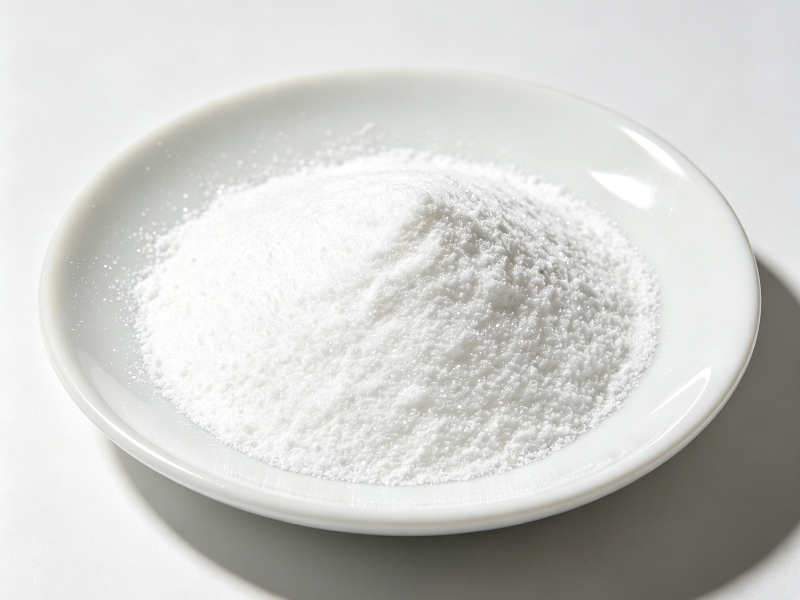
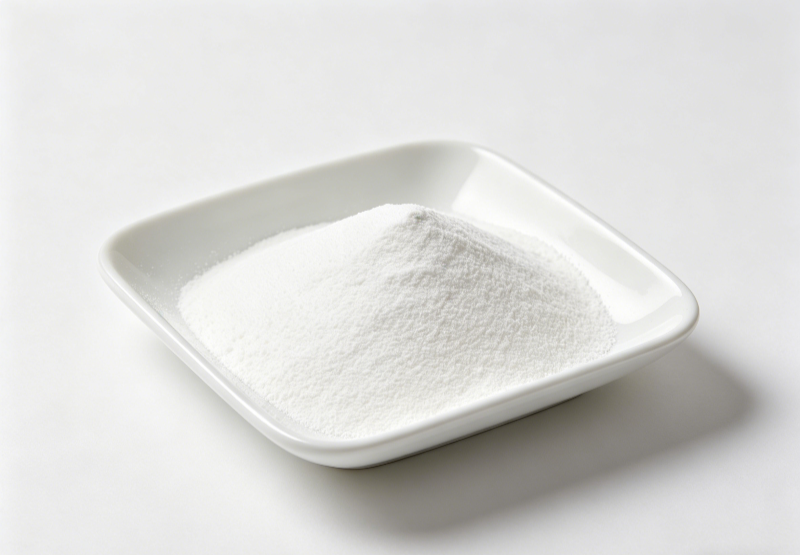
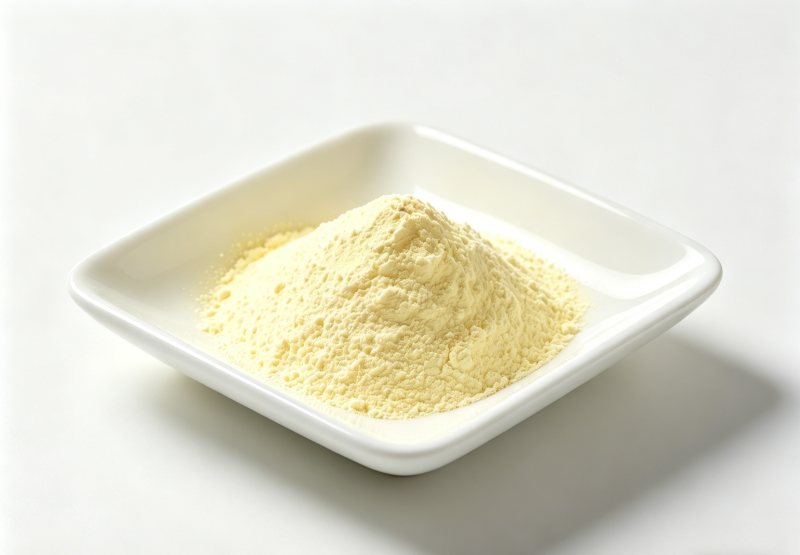
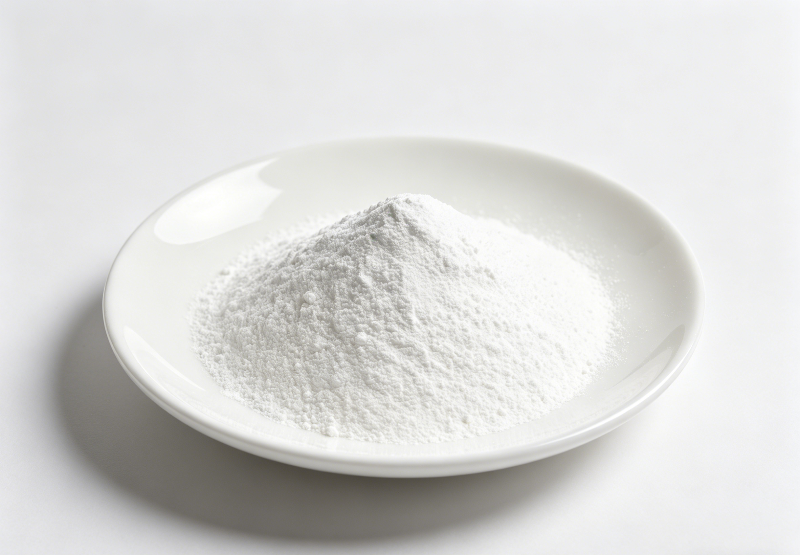
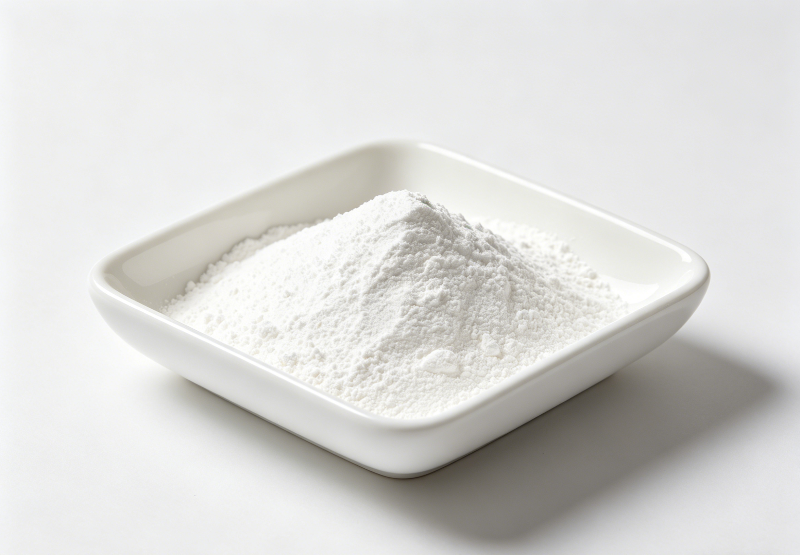
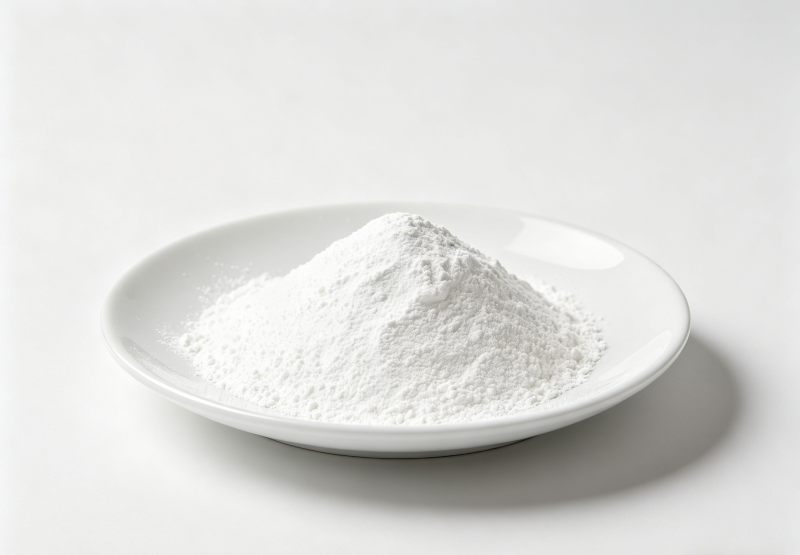
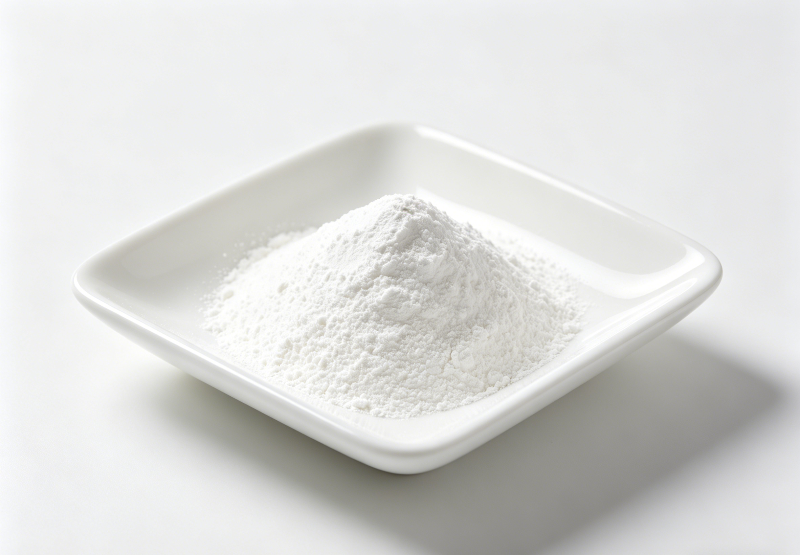
3. Appearance: white, odorless crystals, sweet taste, about 45%-65% sweetness of sucrose, slightly hygroscopic, melting range 145-150 °C, specific optical rotation ≥ + 91.5 ° (4% aqueous solution, m / v); soluble in water, its solubility in water at room temperature is lower than that of sucrose, and can be close to sucrose after heating. It is insoluble in ethanol.
II. Production methods.
It is obtained by enzymatic conversion of sucrose into isomaltulose, followed by catalytic hydrogenation, concentration, crystallization and separation.
III. Properties and benefits.
1. Low calorie: The calorie value is about half that of sucrose, suitable for people who need to control their calorie intake, such as diabetics, obese people, etc.
2. Blood sugar response: The human body absorbs it slowly and does not cause sharp fluctuations in blood sugar and plasma insulin levels. Isomaltitol can be consumed by people with diabetes.
3. Non-cariogenic: Streptococcus mutans cannot be decomposed and utilized in the oral cavity, does not produce acid and glucan, and does not cause tooth decay. It is especially suitable for children.
4. High tolerance: Compared with many sweeteners, the human body has a greater tolerance to isomalt, and daily intake of 50g generally does not cause gastrointestinal discomfort.
5. The negative heat of dissolution is appropriate: The negative heat of dissolution is only – 39.4kJ/kg, so there is no unpleasant cold taste when tasting.
6. Pure sweetness: Isomaltitol can be used in conjunction with other strong sweeteners (such as cyclamate and stevia) to mask the bad taste of other strong sweeteners.
7. High stability: Isomaltitol is a polysaccharide alcohol that has no reducing properties and does not hydrolyze under strong acid and alkali conditions and does not produce pigments at very high temperatures more than ten times higher; it does not react chemically with other ingredients in food, such as the Maillard reaction with amino acids. Isomalt cannot be utilized by most microorganisms and products made with isomalt have a longer shelf life.
8. Non-hygroscopicity: Compared to sucrose, glucose or certain oligosaccharides, isomalt has very low hygroscopicity. At a relative humidity of 70% and 25 °C, there is basically no moisture absorption, which facilitates packaging and transportation.
9. Bifidobacterium proliferation factor: It can be degraded and utilized by bifidobacteria in the human intestine, promotes the growth and proliferation of bifidobacteria, maintains the microecological balance of the intestine, and has a positive effect on human health.







 English
  Russian
  Spanish
  French
  Arabic