L-Arabinose is an aldopentose sugar. The following is a detailed introduction:
I. Basic information.
1. Molecular structure and properties.
The molecular formula is C₅H₁₀O₅ and the relative molecular mass is 150.13.
L-arabinose is an aldose with five carbon atoms, four hydroxyl groups and three optically active bodies.
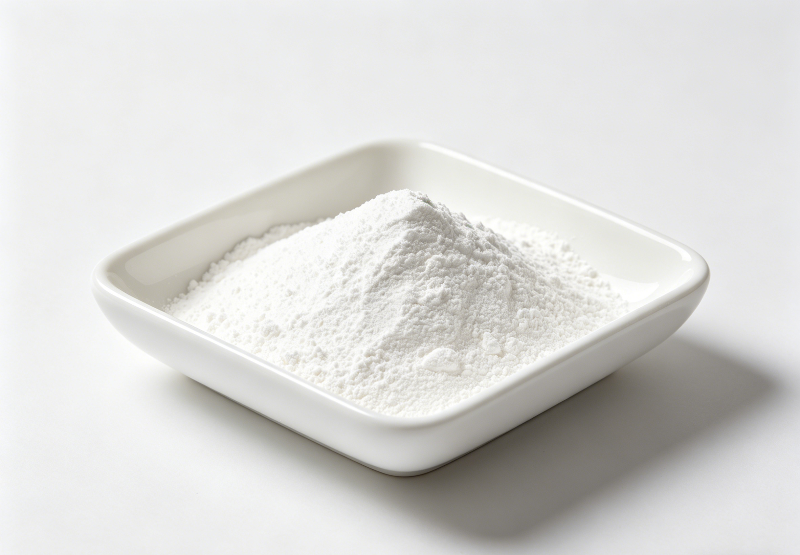
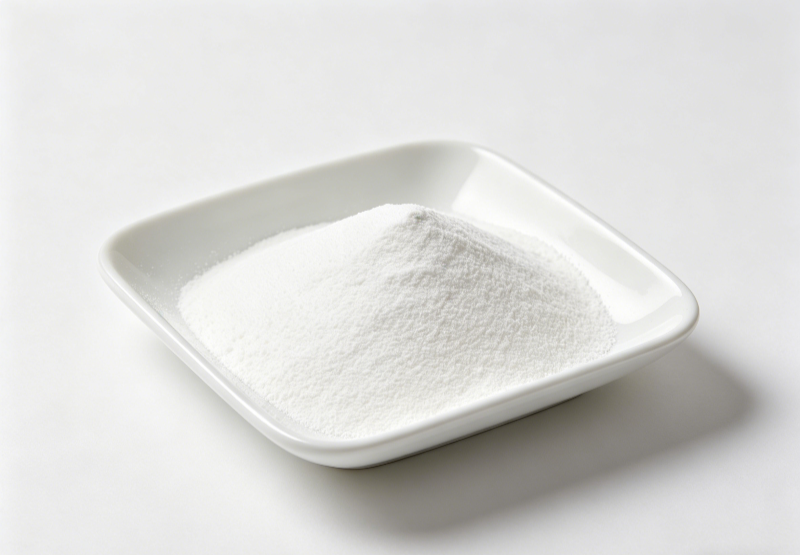
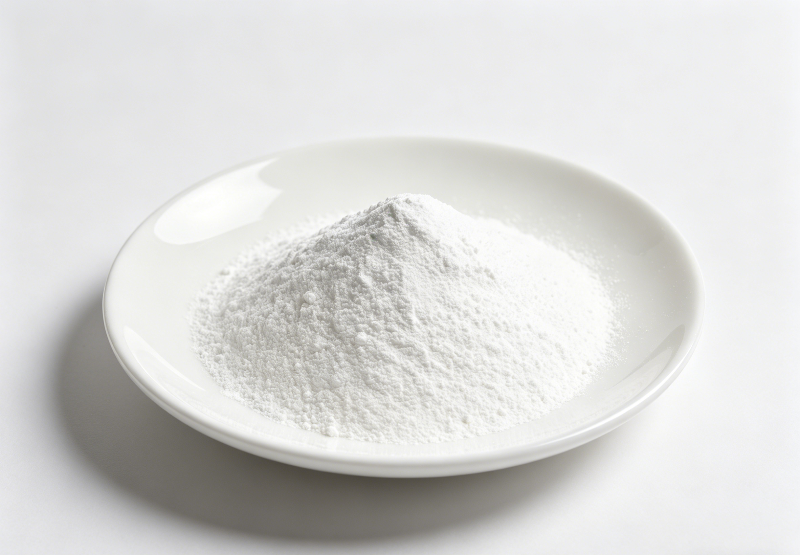
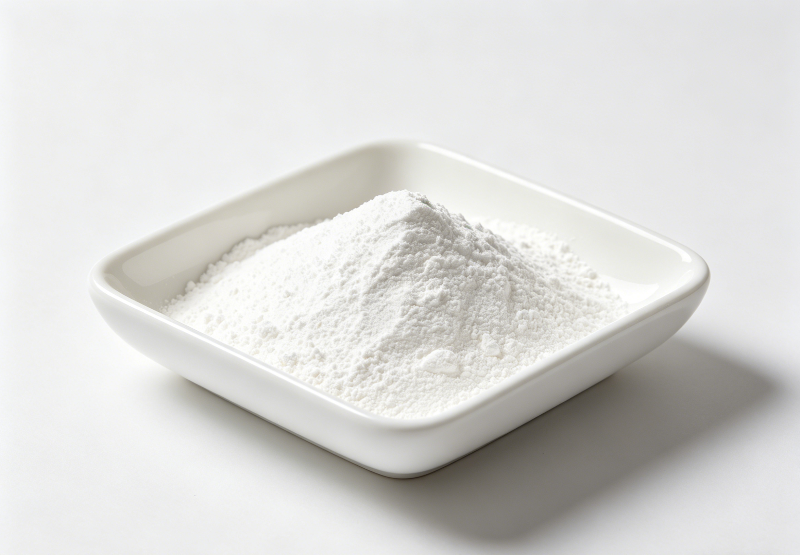
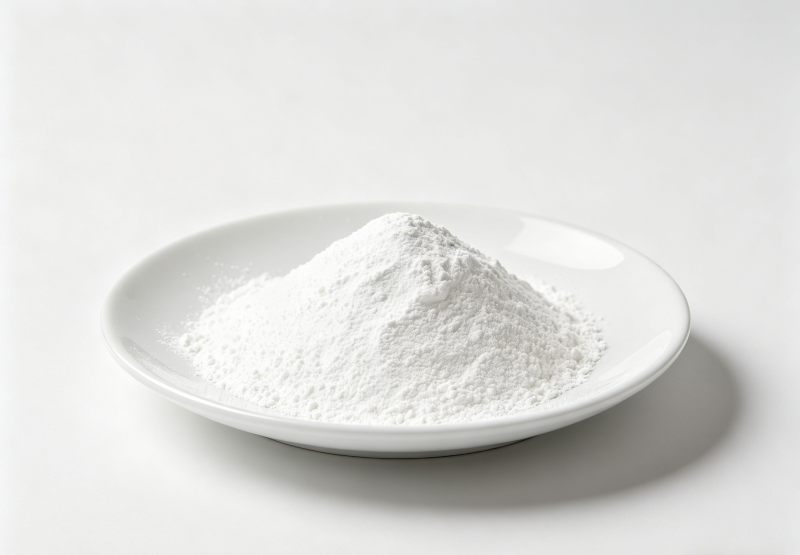
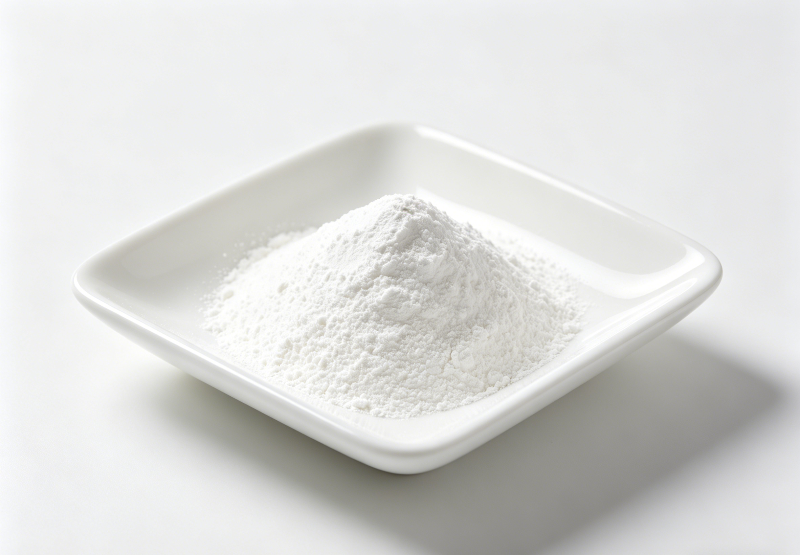
It is a colorless or white crystal or crystal powder, odorless, sweet (half as sweet as sucrose), easily soluble in water and glycerin, but insoluble in ethanol, ether and acetone, and can be crystallized in methanol and ethanol. Its melting point is 154 – 161℃, it has mutarotation phenomenon, and high stability to heat and acid.
2. Source.
L-arabinose is abundant in nature, such as fruits, rice, wheat and other grain husks, larch wood, corn husks, beetroot and gum arabic.
II. Physiological functions.
1. Inhibit the metabolism and absorption of sucrose.
L-arabinose can selectively affect sucrose in the small intestine, thereby inhibiting sucrose absorption. Adding 3.5% L-arabinose to sucrose can inhibit the absorption of sucrose by 60-70% and at the same time reduce blood sugar levels by about 50%.
2. Inhibit the rise of blood sugar and lipogenesis.
As a low-calorie sugar, L-arabinose can inhibit the rise of blood sugar caused by the intake of sucrose, so it is helpful in the prevention and treatment of diseases related to hyperglycemia, and can also suppress obesity to a certain extent.
3. Effects on the intestine.
In order to promote the growth of bifidobacteria, Japanese research reports show that women with a tendency to constipation can add sucrose containing 3% L-arabinose to beverages such as black tea and take it continuously, which will significantly increase the number of bowel movements per week.
L-arabinose is difficult to be absorbed by the digestive tract, and the unused part in the human body can be excreted in the urine.
4. Effects on skeletal muscle composition.
L-arabinose can change the composition of skeletal muscle fibers and affects the growth of abdominal fat tissue by controlling glycolysis for glucose oxidation. This change in muscle fiber proportions may impact the improvement of type II diabetes.
5. Effects on liver protection and hangover.
L-arabinose can increase the activity of alcohol dehydrogenase and acetaldehyde dehydrogenase in the liver, greatly accelerate the oxidation and decomposition of alcohol in the body, and achieve the effect of relieving hangover and protecting the liver. Taking an appropriate amount of L-arabinose before meals can effectively prevent the absorption and repeated fermentation and decomposition of alcohol in the small intestine after drinking, reduce liver damage, and relieve symptoms such as headache and vomiting after drinking.
III. Application areas.
1. Baked goods.
1.1 The molecular structure is stable and not easily decomposed at high temperatures. Adding L-arabinose to baked goods such as soft biscuits, which have high sugar content and are prone to obesity, can inhibit the absorption of sucrose and reduce people’s fear of obesity. In addition, the energy density of the unit can be reduced.
1.2 When mixed with sucrose to make baked goods, L-arabinose will enter into Maillard browning reaction with amino acids, proteins, etc. in the food, making the baked products have a more unique taste and brighter color. The addition amount generally does not exceed 5%, which can affect the rheological properties, taste, processing technology, etc. of the dough and make the baked goods more delicious.
1.3 Beverages: L-arabinose can be used to make low-sugar, sugar-free beverages, etc. to meet people’s needs for healthy beverages.
2. Biomedicine: It can be used to synthesize antiviral drugs such as nucleoside analogues, for example, using L-arabinose as raw material to synthesize2-deoxy-2-fluoro-5-methyl-β-L-arabinofuranosyluracil (L-FMU), L-FMU is an effective reagent effective against hepatitis B virus (HBV) and anti-Epstein-Barr virus.
3. Other fields:
3.1 Using L-arabinose as raw material, the rare sugar alcohol arabitol can be produced by hydrogenation synthesis reaction, which can be used in microbial fermentation and gene improvement experiments.
3.2 It can be used to synthesize L-ribose, an important pharmaceutical intermediate for fighting AIDS and antiviral and anticancer drugs.
3.3 Arabinose-reactive flavors can also be made by L-arabinose, which can produce a smooth and rich aroma and taste.












 English
  Russian
  Spanish
  French
  Arabic