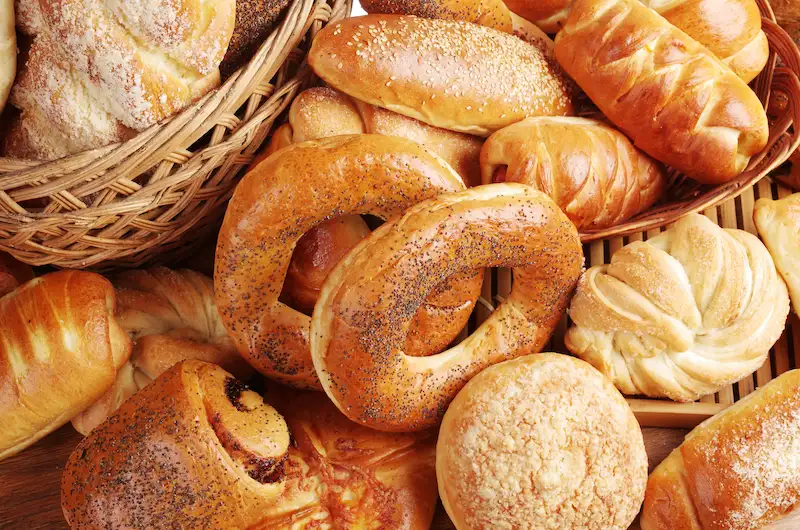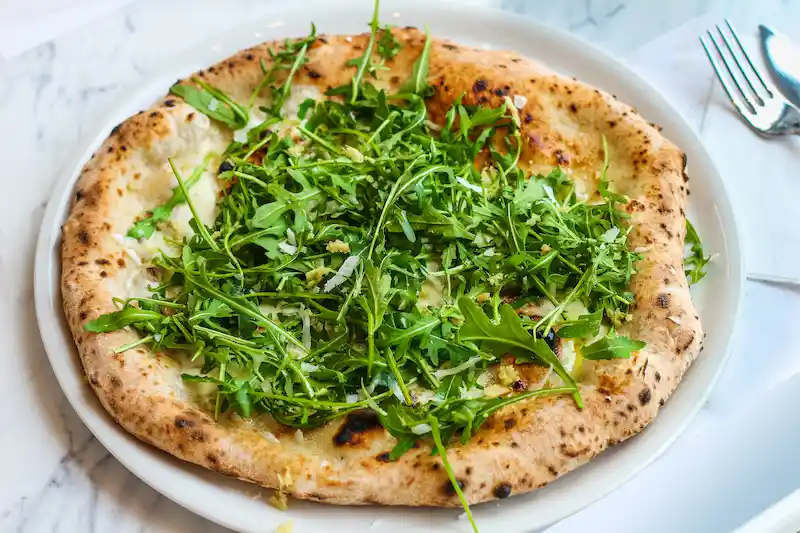
Enhance texture, structure, and shelf life in baked goods.
Reduce sugar in beverages while maintaining flavor.
Replace sugar while maintaining creamy dairy texture.
Reduce calories in gummies, candies, and chocolate.
Improve binding, viscosity, and body in savory foods.
Ingredients supporting daily nutrition and wellness needs.
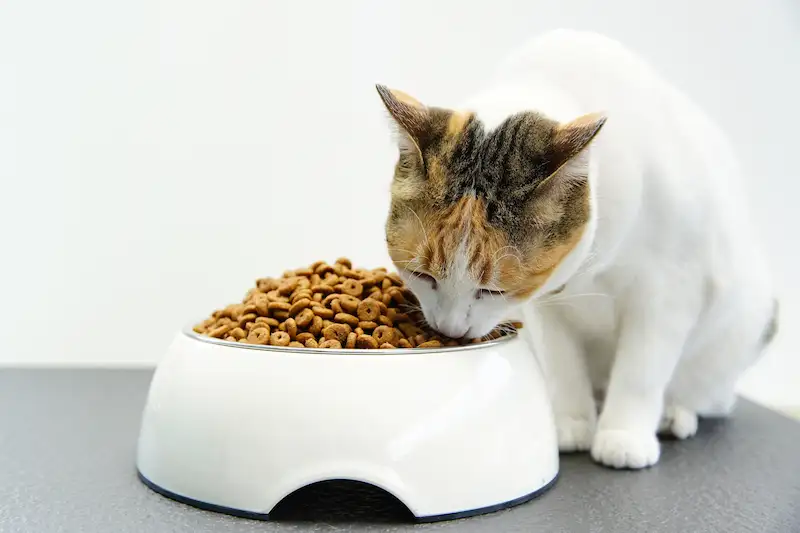
Supplement nutrition in animal feed and pet diets.
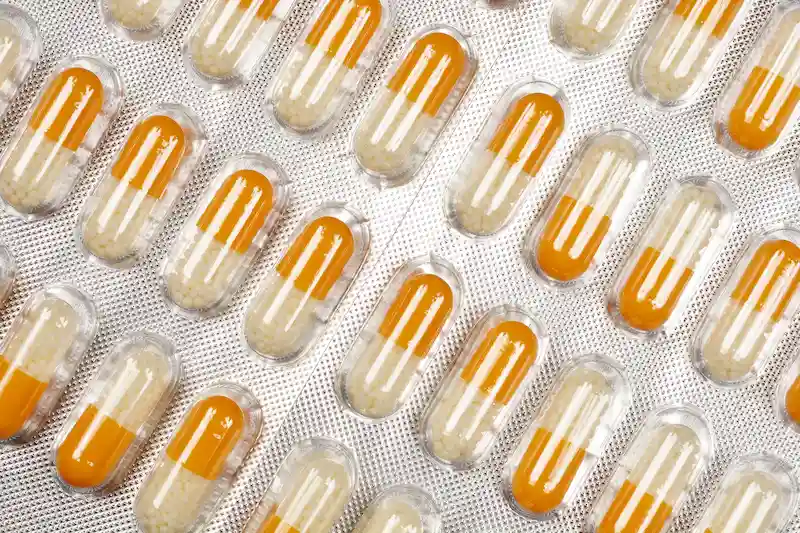
Serve as excipients in pharmaceutical and industrial processing.
Reduce sugar while maintaining sweetness, texture, and stability.
Prebiotic solutions supporting gut health and tolerance.
Enhance nutrition with science-backed functional ingredients.
Improve structure, mouthfeel, and stability in plant-based systems.
Customized ingredients to match your formulation needs.
Large-scale, stable, and automated production capabilities.
Full-process quality control meeting global standards.
Fast response and technical support you can rely on.
Industry insights, formulation trends, and knowledge sharing.
Company updates and latest developments.
Product, application, and factory-related videos.
Quick answers to common product and service questions.

I. Basic characteristics.
1. Chemical composition: Maltodextrin is mainly composed of dextrose units connected by α -1,4-glycosidic bonds, and is a mixture of dextrose polymers with different degrees of polymerization. It is generally characterized by DE value (dextrose equivalent, reflecting its degree of hydrolysis).
2. Physical properties:
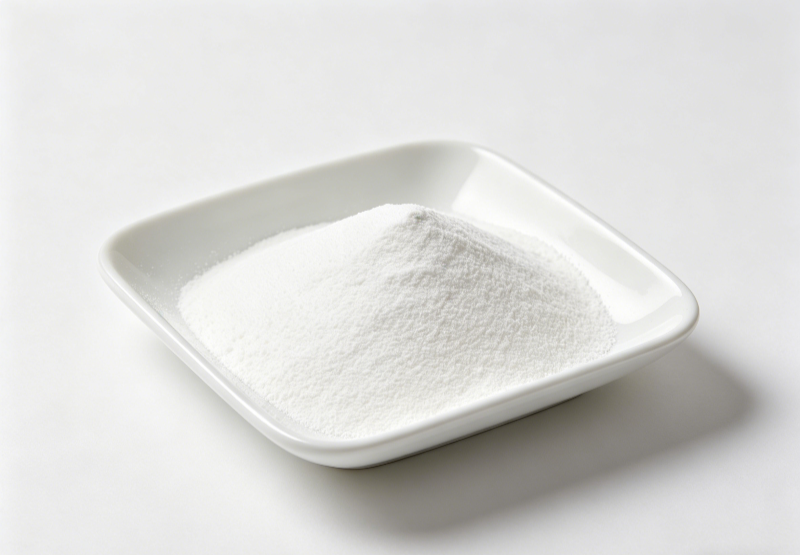
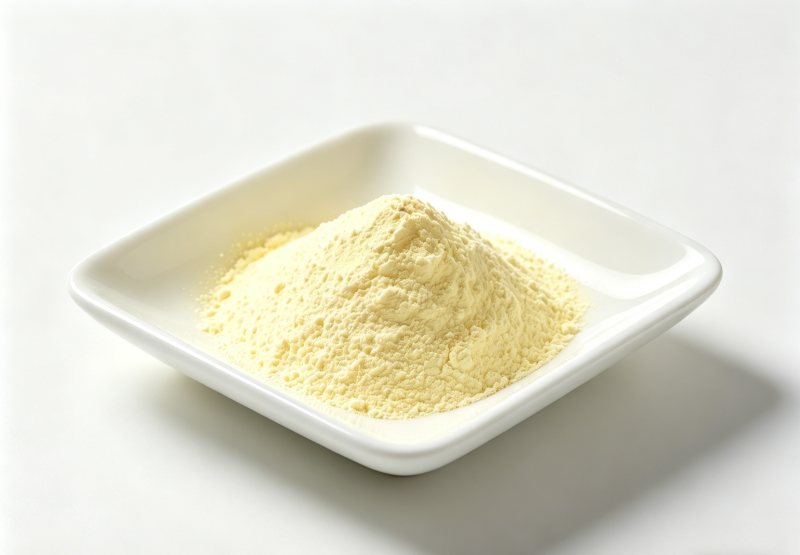
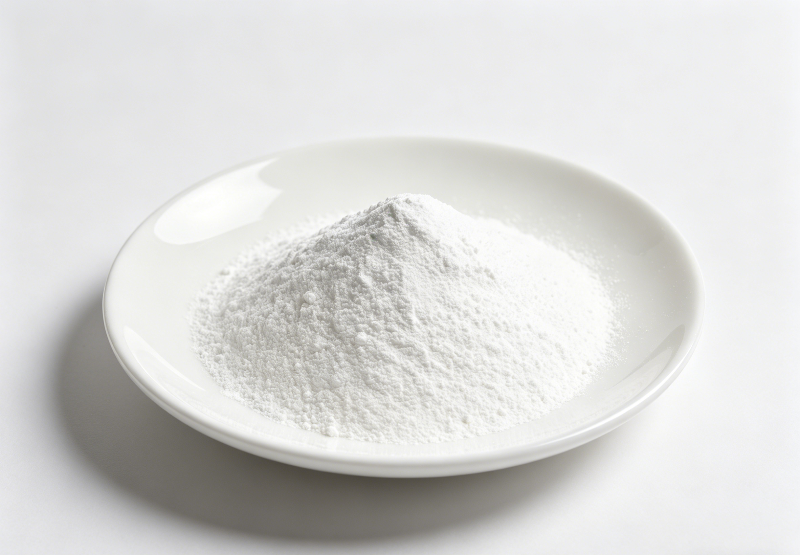
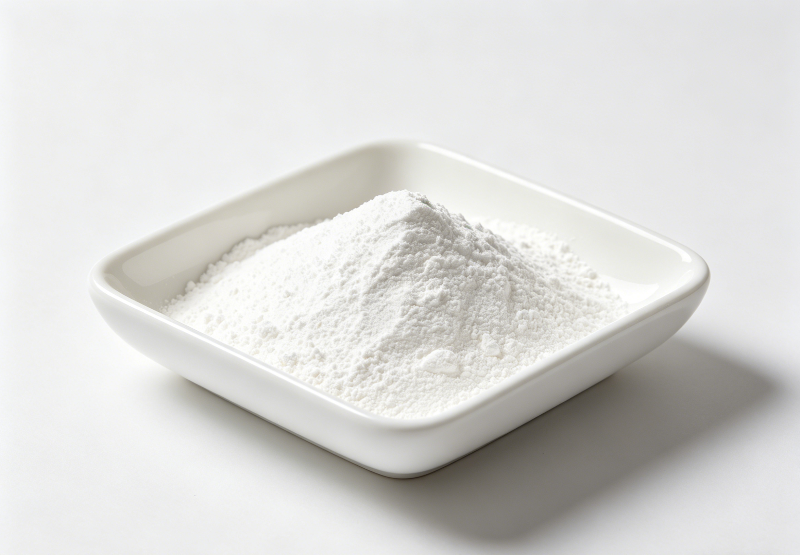
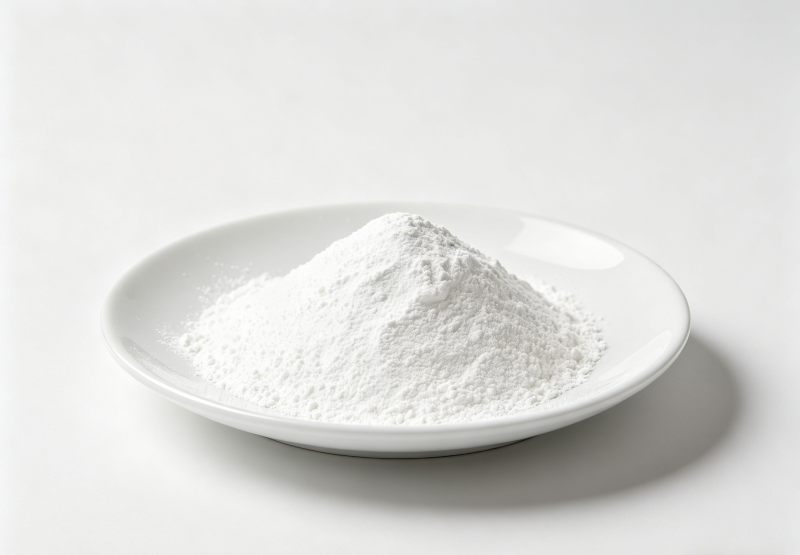
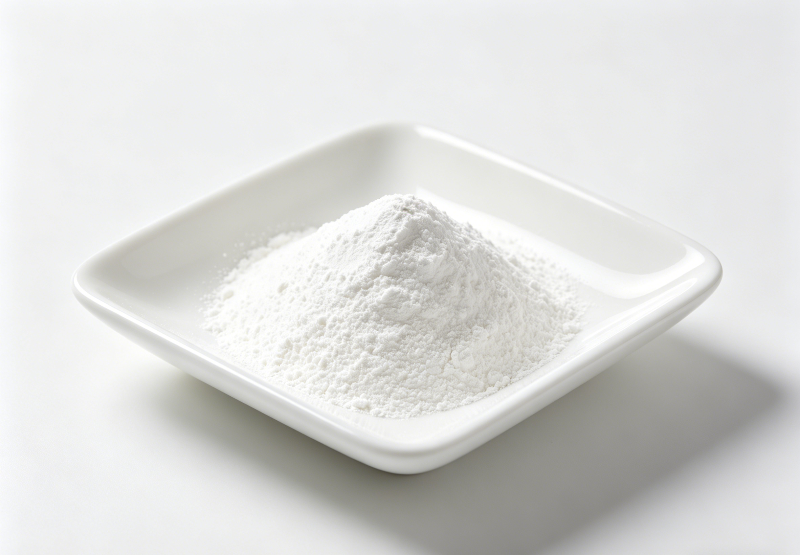
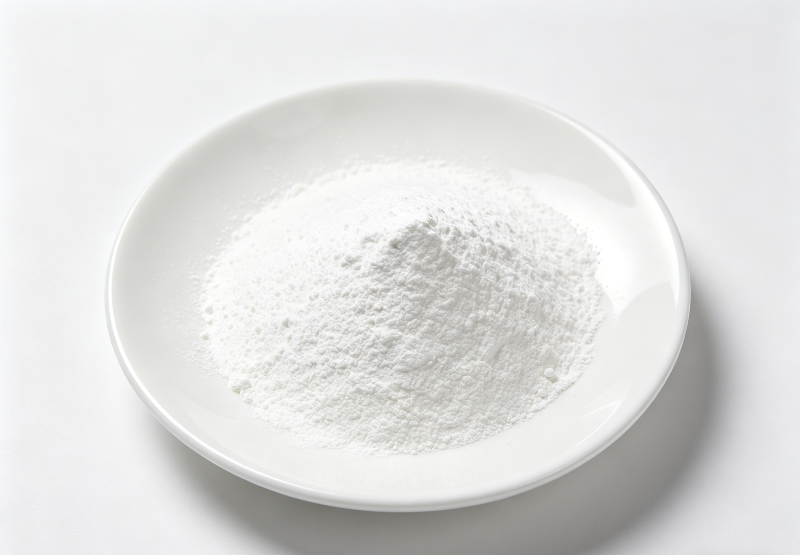
The appearance is white or slightly yellow powder, odorless, with a slightly sweet or almost tasteless taste (the lower the DE value, the lighter the sweetness).
Easy to dissolve in water, forming transparent or semi transparent solutions, insoluble in organic solvents such as ethanol and ether.
Maltodextrin has good fluidity and hygroscopicity (maltodextrin with low DE values has weaker hygroscopicity and is easier to store), and its viscosity varies with concentration and temperature.
3. Chemical properties: Maltodextrin has some characteristics of starch, such as non reducing or weak reducing properties, and can be further hydrolyzed into dextroseunder the action of acids or enzymes.
II. Main purposes.
Maltodextrin has important applications in multiple fields due to its mild taste, good thickening properties, high stability, and low cost.
1. Thickening and stabilizer: Used for beverages, ice cream, jelly and other products to improve texture, prevent layering or sedimentation.
2. Fillers and carriers: Used as fillers in powdered foods (such as seasonings and solid beverages) to increase volume and aid in powder formation; It can also be used as the carrier of essence and pigment to improve its dispersibility.
3. Extend shelf life: By locking in moisture and inhibiting crystallization, Maltodextrin can extend the shelf life of baked goods and meat products.
4. As an excipient for tablets and granules: Maltodextrin improves the flowability and formability of drugs, making it easier to compress or granulate.
5. Used for oral liquid preparations: It can regulate viscosity and mask drug bitterness.
III. Characteristics and precautions.
1. Advantages: Good water solubility, no odor, strong heat and acid resistance, high compatibility with other raw materials, and low price, suitable for large-scale applications.
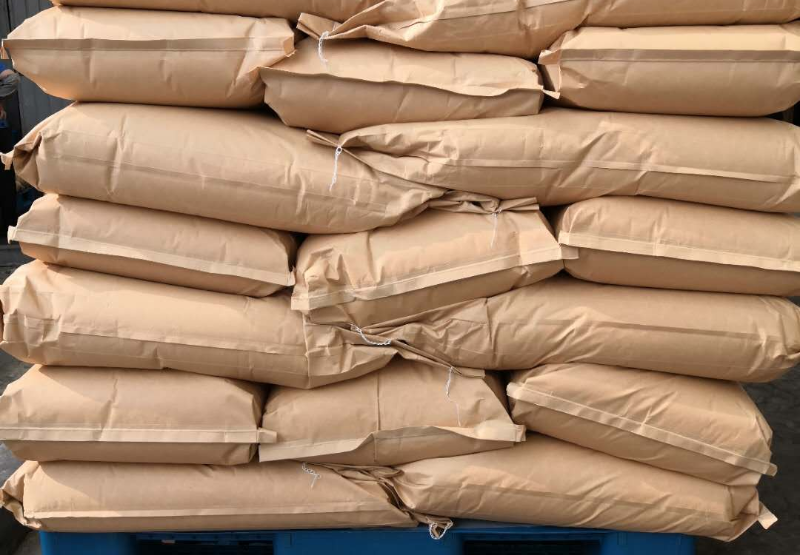
2. Storage: Maltodextrin should be sealed and stored in a dry and ventilated place to avoid moisture absorption and clumping; Stay away from high temperatures and strong light to prevent deterioration.
• High Stability • Good Solubility • Good Thickening Property
| Product name | Maltodextrin DE10-15
(corn sourced) |
| Appearance | White or light yellow powder, without the impurity that can be seen by eye. |
| Odor and Taste | No unusual odor and mild clear sweet, no stink, no unusual taste. |
| DE type | 10-15 |
| Moisture, % | Max 6.0% |
| Solubility | Min 98% |
| pH | 4.0-7.0 |
| Ash, % | Max 0.5% |
| Iodine experiment | Not change blue |
| Arsenic | Max 0.5mg/kg |
| Lead | Max 0.5mg/kg |
| Bacterium total | Max 1000 cfu/g |
| E.coli | Negative |
| Pathogen | Not detected |
| Additional Information | In addition to the quality criteria mentioned above, the material must be conform to all other requirements of the Chinese Food Regulation that not specifically quoted in this specification. |
| Product name | Maltodextrin DE10-15
(corn sourced) |
| Appearance | White or light yellow powder, without the impurity that can be seen by eye. |
| Odor and Taste | No unusual odor and mild clear sweet, no stink, no unusual taste. |
| DE type | 10-15 |
| Moisture, % | Max 6.0% |
| Solubility | Min 98% |
| pH | 4.0-7.0 |
| Ash, % | Max 0.5% |
| Iodine experiment | Not change blue |
| Arsenic | Max 0.5mg/kg |
| Lead | Max 0.5mg/kg |
| Bacterium total | Max 1000 cfu/g |
| E.coli | Negative |
| Pathogen | Not detected |
| Additional Information | In addition to the quality criteria mentioned above, the material must be conform to all other requirements of the Chinese Food Regulation that not specifically quoted in this specification. |


Company founded in Jinan, Shandong
Total manufacturing facility area
Annual production capacity
Dedicated in-house R&D specialists on team
Countries and regions served worldwide
Response guarantee for international inquiries