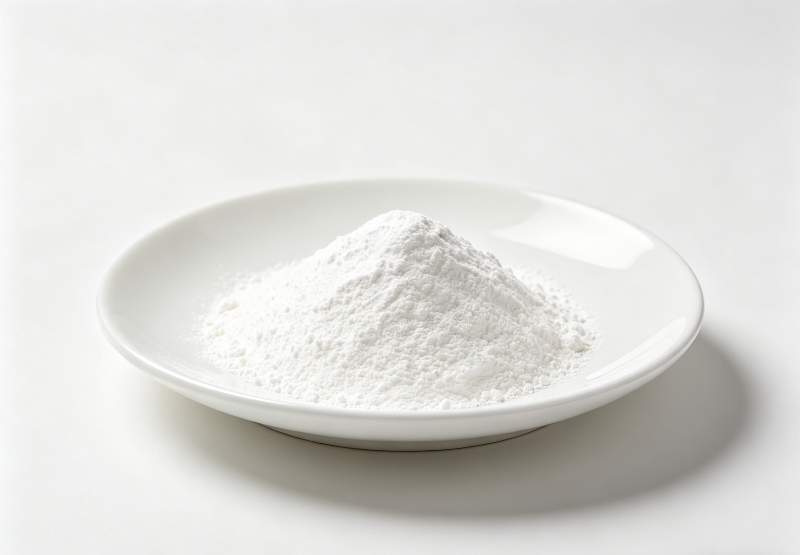
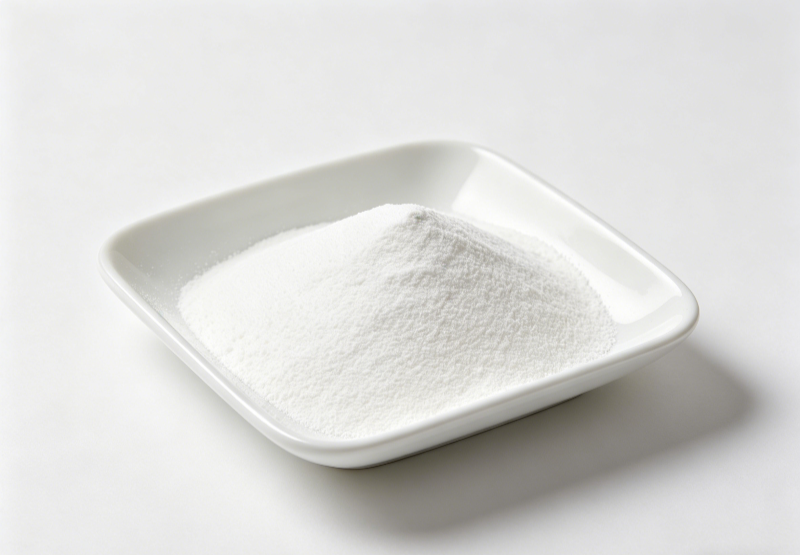
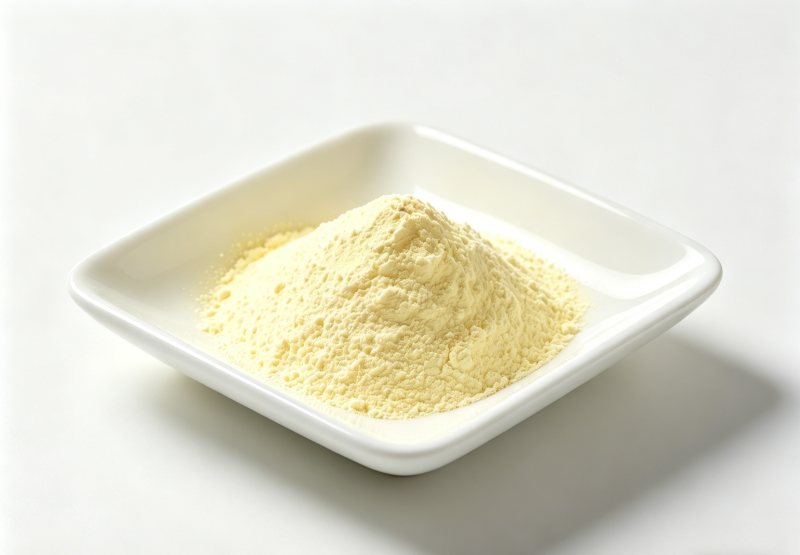
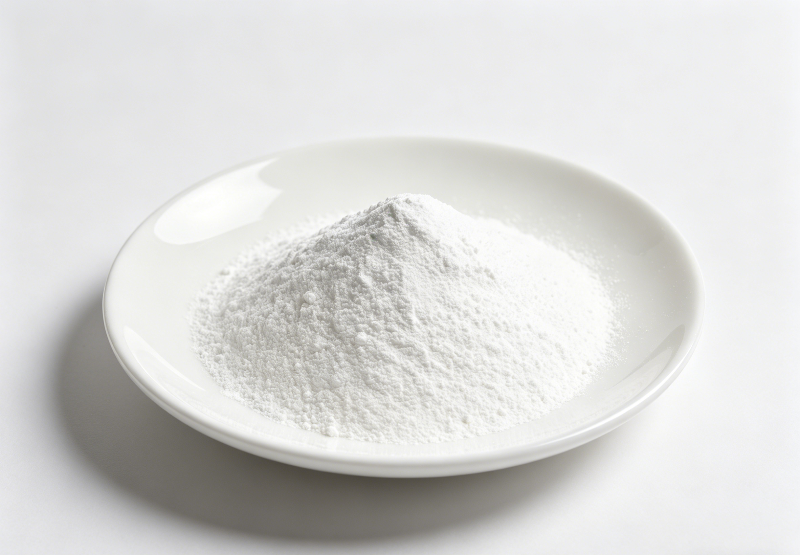
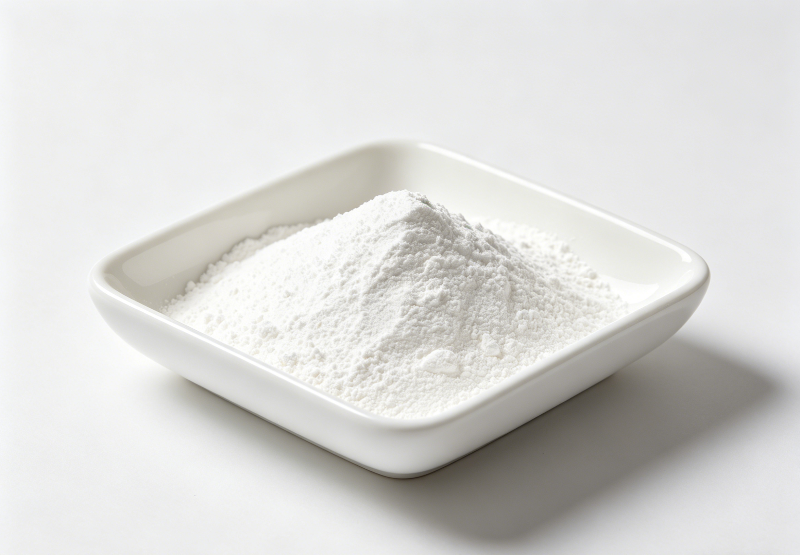
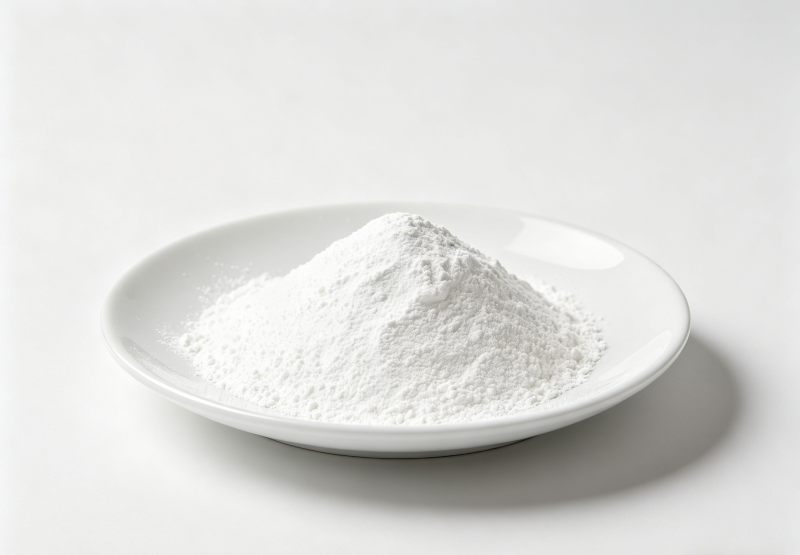
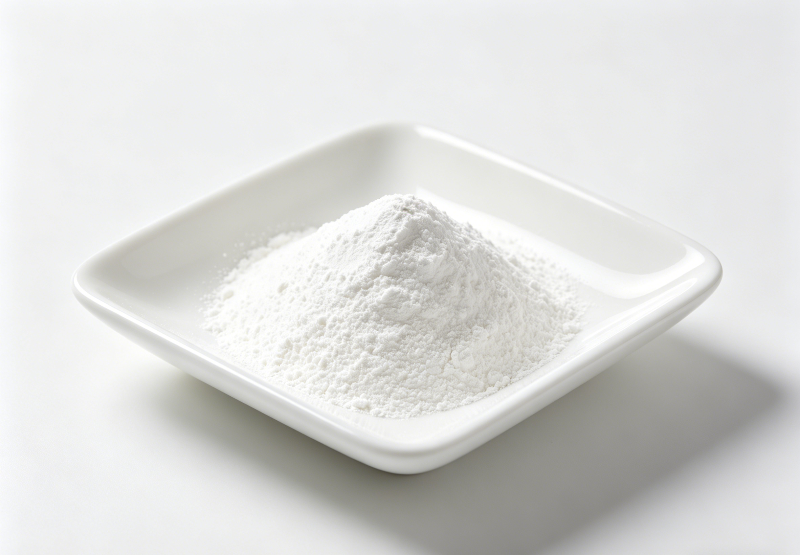
Microbial dry protein is the most common form of microbial protein commercialization. Compared with wet protein, it is more convenient for storage, transportation and application. Here is a systematic overview for you:
1. What is microbial dry protein?
It refers to a powder or granular protein product obtained by culturing microorganisms (bacteria, yeast, microalgae, fungi, etc.) and then drying them to reduce the moisture content to below 10% (usually 5%-8%). It is the main commercial form of single-cell protein.
2. Core production process flow.
Strain selection → Fermentation cultivation (using substrates such as molasses, methanol, biogas, wastewater, etc.) → Collection of fermentation liquid/bacterial cells (centrifugation/filtration) → Cell disruption (optional) → Drying (key step) → Packaging
The drying method directly affects the quality and cost of the protein:
Spray drying: Commonly used, suitable for yeast and bacteria, but high temperature may denature the protein.
Drum drying: Lower cost, but with significant heat damage.
Vacuum freeze drying: The best quality (good protein activity preservation), but extremely high energy consumption, mainly used for high-value products (such as probiotics).
Fluidized bed drying: Suitable for granular products.
3. Main product types and representatives.
| Microbial type |
Representative product / strain |
Common application fields |
| Yeast protein |
Saccharomyces cerevisiae, Candida albicans |
Feed (fish feed, pet food), food flavoring agents (yeast extract) |
| Microalgae protein |
Spirulina powder, Chlorella powder |
Health food, feed additives, cosmetics |
| Bacterial protein |
Methanotrophic bacteria, hydrogen bacteria |
Feed protein, biopolymer raw materials |
| Mycoprotein |
Fusarium venenatum |
Artificial meat, feed |
4. A key comparison with wet-based protein.
| Features |
Dry basis protein |
Wet protein |
| Moisture content |
≤ 10% |
30%-80% |
| Storage and transportation |
Stable, capable of long-term storage, and low in cost |
Perishable, requires cold chain or immediate use, and has high cost |
| Processing energy consumption |
High (Dryness accounts for 30% – 50% of the cost) |
Low |
| Protein activity |
May be damaged due to excessive heat and drying. |
Usually in good condition |
| Applicable scenarios |
Commercial sales, long-distance transportation |
Localized for immediate use and utilized within the circulation system |
5. Core Advantages.
High protein content: Dry basis crude protein can reach 40%-80% (yeast 50%-60%, microalgae 60%-70%, bacteria up to 80%).
Balanced amino acids: Usually contains essential amino acids, with rich lysine and methionine.
Functional components: Rich in nucleic acids, B vitamins, β-glucan (yeast), polysaccharides, etc.
High production efficiency: Microbial doubling time is short (bacteria 0.5-2 hours, yeast 1-3 hours), unaffected by climate.
Sustainability: Can use wastewater, exhaust gas, and agricultural by-products as raw materials, reducing carbon emissions.
6. Core Application Domains.
6.1 Feed Industry:
o Aquatic feed: Partially replace fish meal (fish, shrimp, crab feed), improve immunity.
o Poultry and livestock feed: Protein source for pig and chicken feed, improve intestinal health.
o Pet food: High-protein functional components.
6.2 Food Industry:
o Nutrition fortifiers: Protein powder, dietary supplements (such as spirulina tablets).
o Sauces: Yeast extract (YE) as a natural flavor enhancer.
o Artificial meat: Fungal protein made into vegetarian meat (such as Quorn).
6.3 Special Purposes: Culture medium components, cosmetic raw materials, biological stimulants, etc.
7. Technological Frontiers and Trends.
Development of low-cost raw materials: Producing from ethanol wastewater, kitchen waste, biogas, industrial exhaust gas (CO/CO₂/H₂).
High-efficiency cell wall breaking technology: Enzymatic, high-pressure homogenization, ultrasonic cell wall breaking to increase protein release rate.
Directed fermentation: Metabolic engineering to modify bacteria strains to increase specific amino acid (such as methionine) content.
Combined biological processing: Cultivating mixed microbial communities to simultaneously produce protein, oil, and polysaccharides.
Circular economy model: “Wastewater/Wastewater → Microbial protein → Feed” closed system.













 English
  Russian
  Spanish
  French
  Arabic