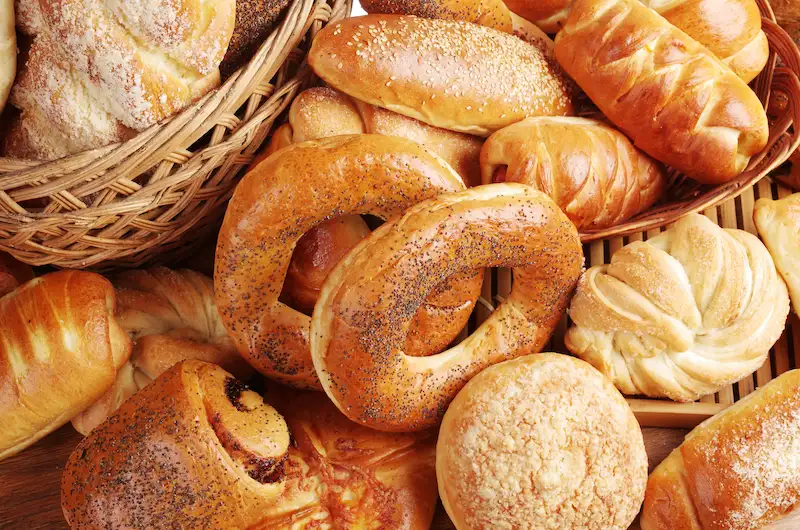
Enhance texture, structure, and shelf life in baked goods.
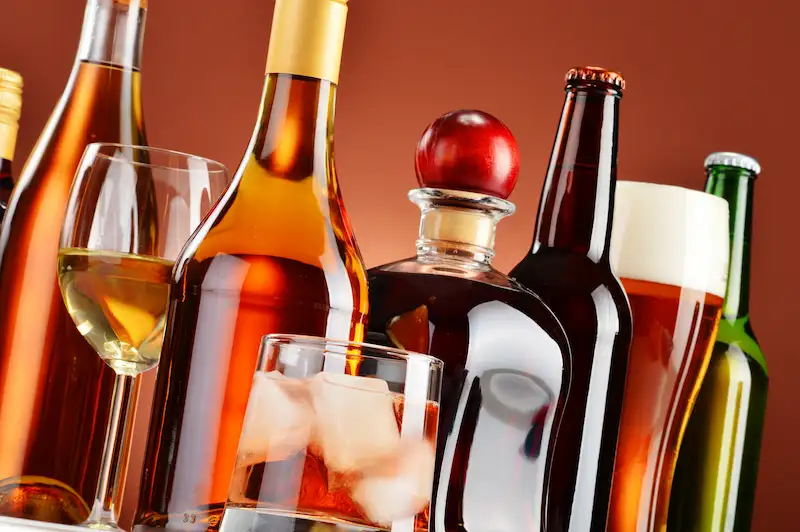
Reduce sugar in beverages while maintaining flavor.
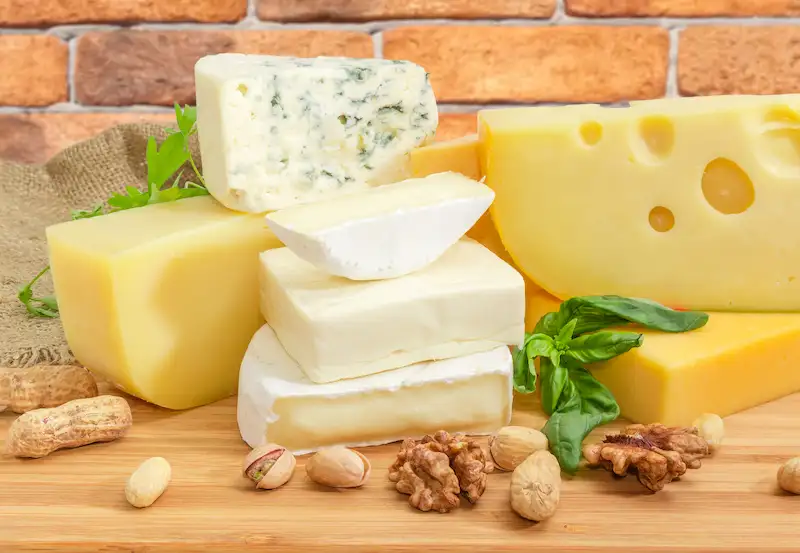
Replace sugar while maintaining creamy dairy texture.
Reduce calories in gummies, candies, and chocolate.
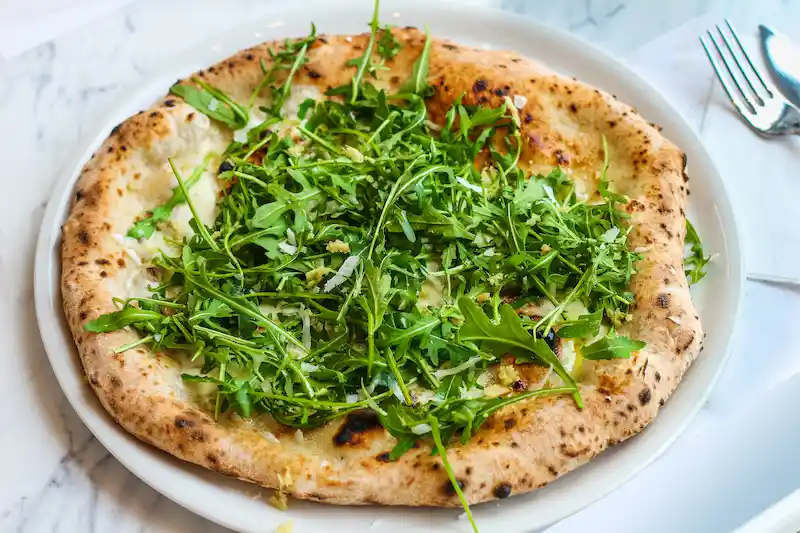
Improve binding, viscosity, and body in savory foods.
Ingredients supporting daily nutrition and wellness needs.
Supplement nutrition in animal feed and pet diets.
Serve as excipients in pharmaceutical and industrial processing.
Reduce sugar while maintaining sweetness, texture, and stability.
Prebiotic solutions supporting gut health and tolerance.
Enhance nutrition with science-backed functional ingredients.
Improve structure, mouthfeel, and stability in plant-based systems.
Customized ingredients to match your formulation needs.
Large-scale, stable, and automated production capabilities.
Full-process quality control meeting global standards.
Fast response and technical support you can rely on.
Industry insights, formulation trends, and knowledge sharing.
Company updates and latest developments.
Product, application, and factory-related videos.
Quick answers to common product and service questions.
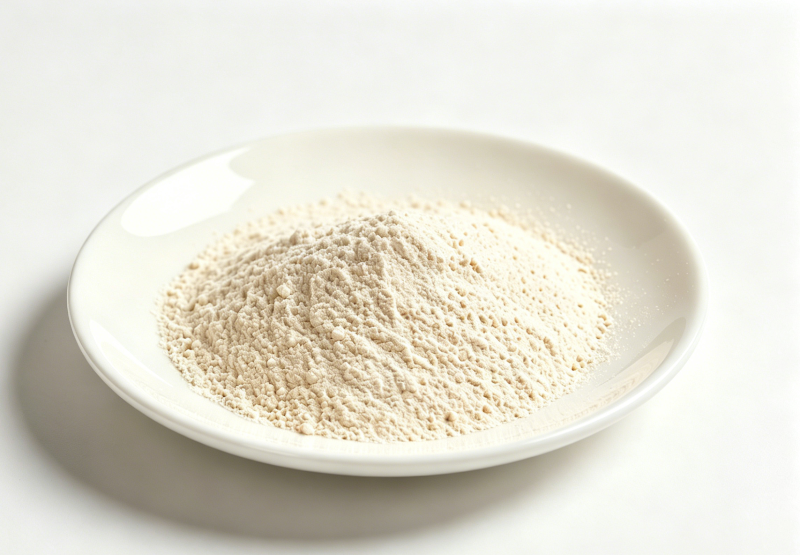
1. What is microbial wet-based protein?
Microbial wet-based protein refers to protein products derived from microorganisms (such as bacteria, yeast, fungi, microalgae, etc.) that have not undergone drying treatment or only undergone preliminary dehydration and still contain a certain amount of moisture. It usually refers to wet protein resources obtained from microbial cells themselves or their fermentation broth after concentration.
2. Common sources.
Single-cell protein (SCP): such as yeast protein (brewer’s yeast, protein-producing Candida), bacterial protein (methane-oxidizing bacteria, hydrogen bacteria).
Microalgae protein: such as Spirulina, Chlorella.
Fungal protein: such as mold protein produced by Fusarium fermentation.
3. Main applications.
Feed industry: used as protein raw materials for aquaculture feed (such as fish and shrimp feed) and livestock and poultry feed, replacing fish meal and soybean meal.
Environmental protection: using organic wastewater and waste gas (such as methane, CO₂) to cultivate microorganisms, while producing protein and treating waste.
Food industry: some microbial proteins, after safety assessment, can be used as nutritional supplements or food ingredients.
4. Wet-based VS Dry-based.
Wet-based protein: has a high moisture content (usually 30%-80%), with high storage and transportation costs, but low processing energy consumption, suitable for local utilization.
Dry-based protein: after drying, has a low moisture content (<10%), easy to store and transport, but the drying process has high energy consumption and may affect protein activity.
5. Advantages.
Fast production: short microbial growth cycle and high protein conversion efficiency.
Wide range of raw materials: can utilize industrial and agricultural waste, biogas, CO₂ and other low-cost raw materials.
Rich in nutrients: in addition to protein, it is also rich in vitamins, polysaccharides, lipids, etc.
Sustainable: does not occupy arable land and reduces dependence on traditional planting agriculture.
• Fast Production • Wide Range of Raw Materials • High Nutrition


Company founded in Jinan, Shandong
Total manufacturing facility area
Annual production capacity
Dedicated in-house R&D specialists on team
Countries and regions served worldwide
Response guarantee for international inquiries