I. Overview.
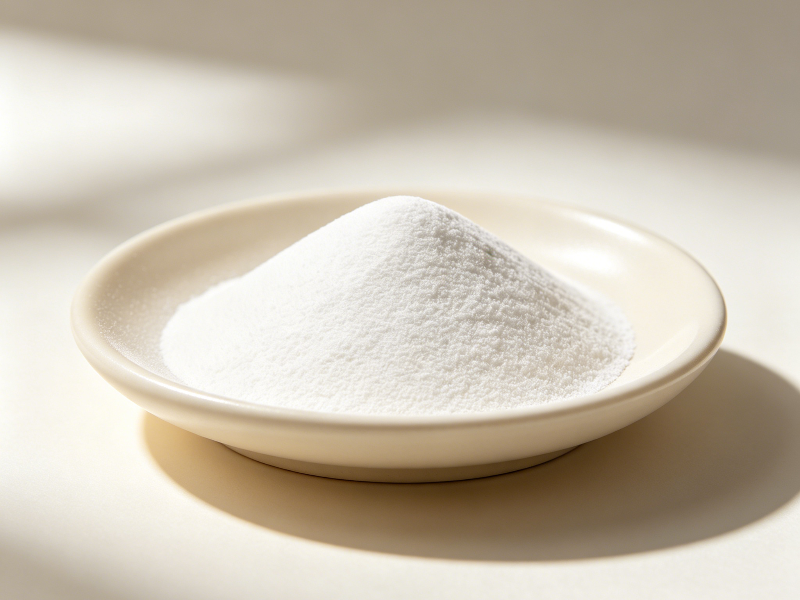
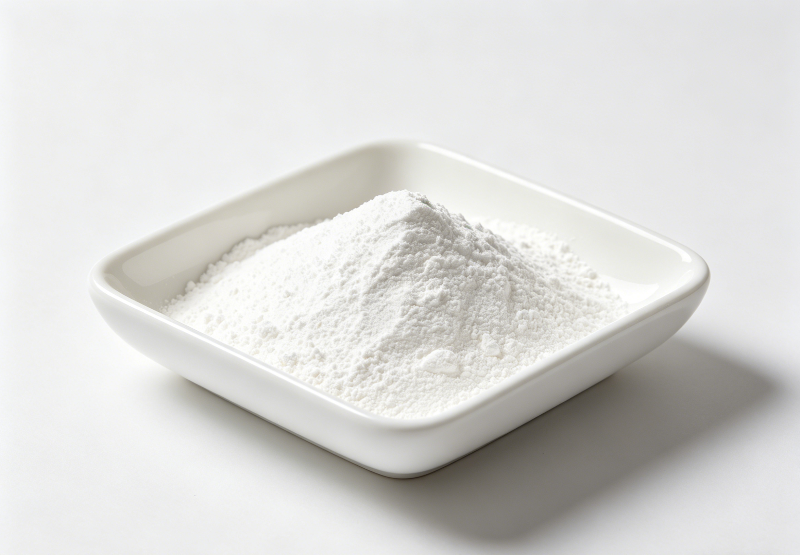
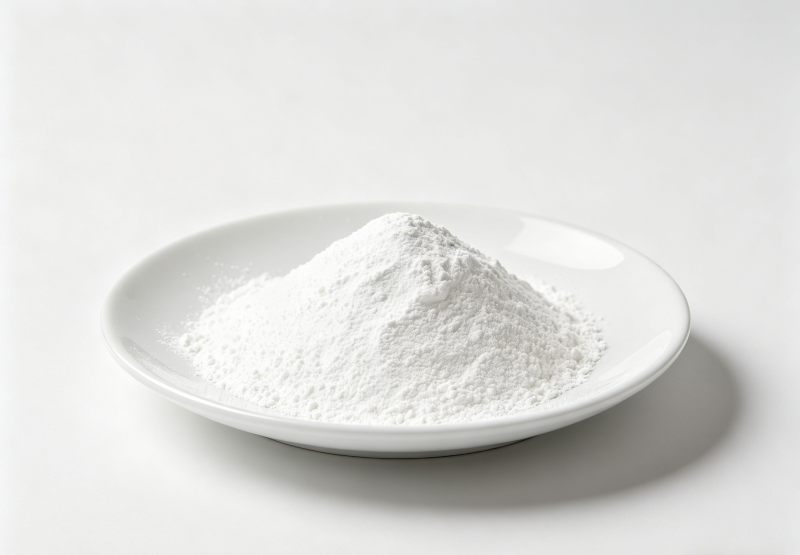
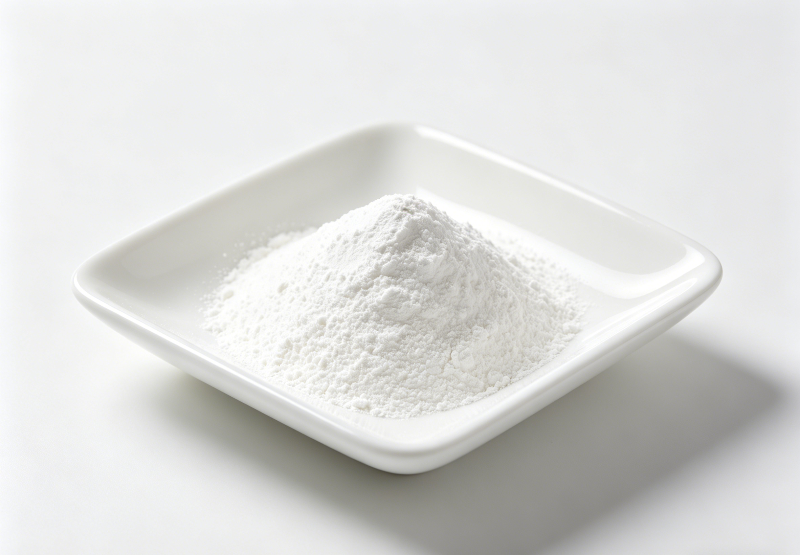
Polydextrose, also known as glucose polymer, is a polysaccharide formed by the polymerization of glucose monomers. Its structure and properties are similar to starch, but Polydextrose Powder II has lower viscosity and higher water solubility. As a new source of carbohydrates, it has been widely used in food, medicine, chemical industry and other fields in recent years.
II. Properties and production process of polydextrose.
2.1 Structure and characteristics.
The structure of polydextrose is composed of glucose monomers connected by α-1,4 glycosidic bonds, and its molecular weight and structure depend on the degree of polymerization. The properties of polydextrose mainly depend on its molecular weight and degree of branching. High molecular weight polydextrose has higher viscosity and lower solubility, while low molecular weight polydextrose has lower viscosity and higher solubility. In addition, Polydextrose Powder II has the following characteristics:
Low calorie: The calorie value of polydextrose is lower than that of starch and is not easily absorbed by the human body, so it is a low-calorie carbohydrate source.
High water solubility: Polydextrose is easily soluble in water to form a viscous solution.
Strong fiber: Polydextrose Powder II has strong fiber, which can promote intestinal peristalsis, increase stool volume, prevent constipation, and promote the digestive function of the human body.
Good stability: It is relatively stable in both acidic and alkaline environments and is not easily degraded.
2.2 Production process of polydextrose.
The production process of polydextrose mainly includes the following steps:
Pretreatment of raw materials: Pretreat the starch raw materials and make them soluble starch.
Catalytic decomposition by enzymes: Use amylase to hydrolyze soluble starch into glucose.
Polymerization: Use acid or enzyme to catalyze the polymerization reaction of glucose to generate polydextrose.
Separation and purification: Separate and purify polydextrose to obtain Polydextrose Powder II products of different molecular weights.
III. Applications of polydextrose.
3.1 Food industry.
As a food additive: Polydextrose Powder II can be used as a thickener, stabilizer, emulsifier, etc. as a food additive, and can be used in various food processing, such as beverages, dairy products, baked goods, etc.
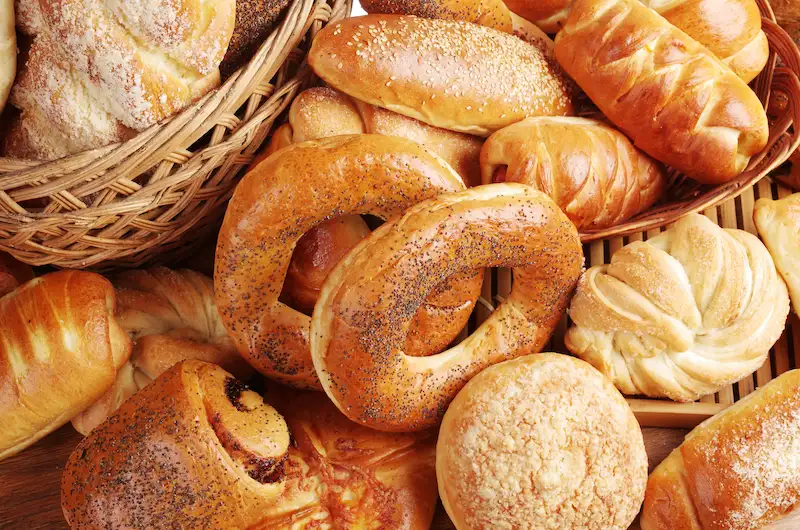
To make the low-calorie foods: It can be used as a substitute for starch to make low-calorie foods, such as low-calorie bread, low-calorie cakes, etc.
As a source of dietary fiber: Polydextrose can be used as a source of dietary fiber to increase the content of beneficial intestinal bacteria, promote nutrient absorption, and improve intestinal health.
3.2 Pharmaceutical industry.
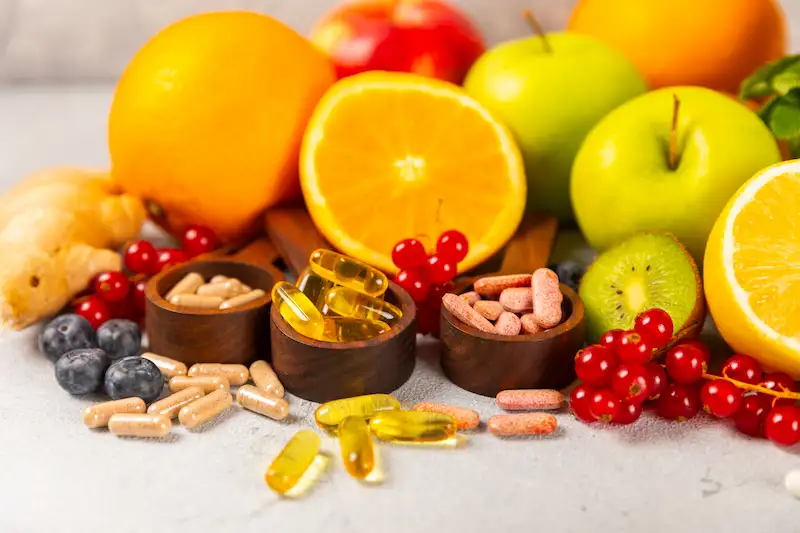
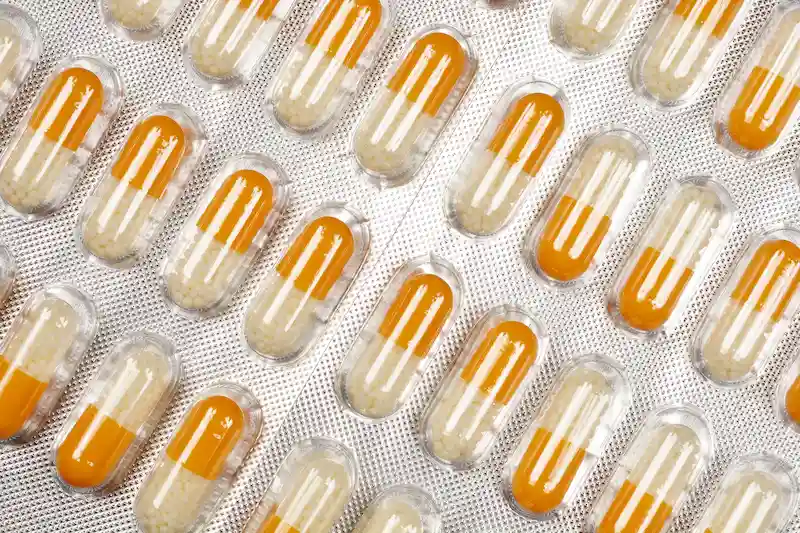
As drug excipients: Polydextrose Powder II can be used as a drug excipient, such as tablets, capsules, granules, etc., which can improve the taste, stability and release of drugs.
As intestinal regulators: It can be used as an intestinal regulator to effectively improve intestinal microecology and prevent intestinal diseases.
As blood purifiers: Polydextrose can be used as a blood purifier to remove toxins and waste from the blood, making people’s bodies healthier and more energetic!
3.3 Other fields.
Chemical industry: Polydextrose can be used as an adhesive, thickener, dispersant, etc., and is used in various chemical products, such as coatings, inks, adhesives, etc.
Agricultural field: It can be used as a soil conditioner to improve soil structure and soil fertility.
Textile industry: Polydextrose can be used as a textile auxiliary to improve the softness, wrinkle resistance and antistatic properties of textiles.
IV. Safety of polydextrose.
Polydextrose Powder II is not easily absorbed in the human body and does not produce toxic side effects. It is a safe and reliable food additive and drug excipient, and has been widely used in food, medicine and other fields.
As a new source of carbohydrates, polydextrose has many excellent properties and a wide range of applications. Its application prospects in food, medicine, chemical industry and other fields are very broad. In the future, it will be more widely used with the advancement of technology and people’s pursuit of healthy life.









 English
  Russian
  Spanish
  French
  Arabic