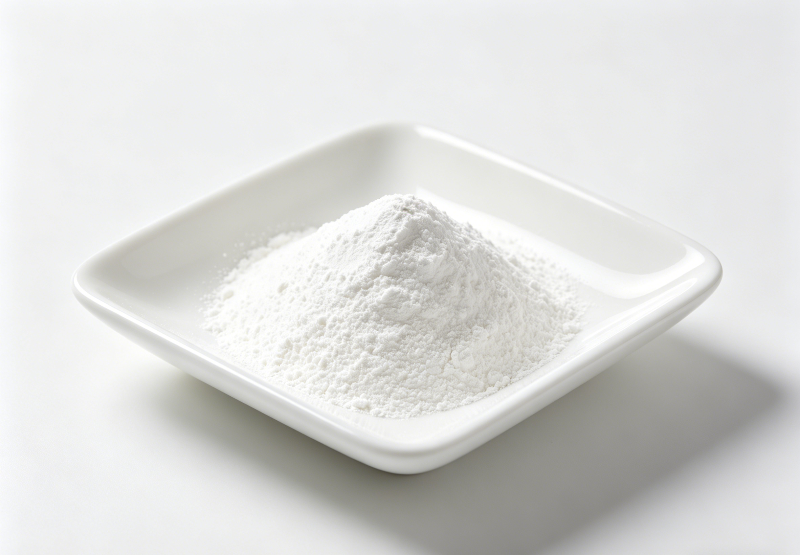
Enhance texture, structure, and shelf life in baked goods.
Reduce sugar in beverages while maintaining flavor.
Replace sugar while maintaining creamy dairy texture.
Reduce calories in gummies, candies, and chocolate.
Improve binding, viscosity, and body in savory foods.
Ingredients supporting daily nutrition and wellness needs.
Supplement nutrition in animal feed and pet diets.
Serve as excipients in pharmaceutical and industrial processing.
Reduce sugar while maintaining sweetness, texture, and stability.
Prebiotic solutions supporting gut health and tolerance.
Enhance nutrition with science-backed functional ingredients.
Improve structure, mouthfeel, and stability in plant-based systems.
Customized ingredients to match your formulation needs.
Large-scale, stable, and automated production capabilities.
Full-process quality control meeting global standards.
Fast response and technical support you can rely on.
Industry insights, formulation trends, and knowledge sharing.
Company updates and latest developments.
Product, application, and factory-related videos.
Quick answers to common product and service questions.
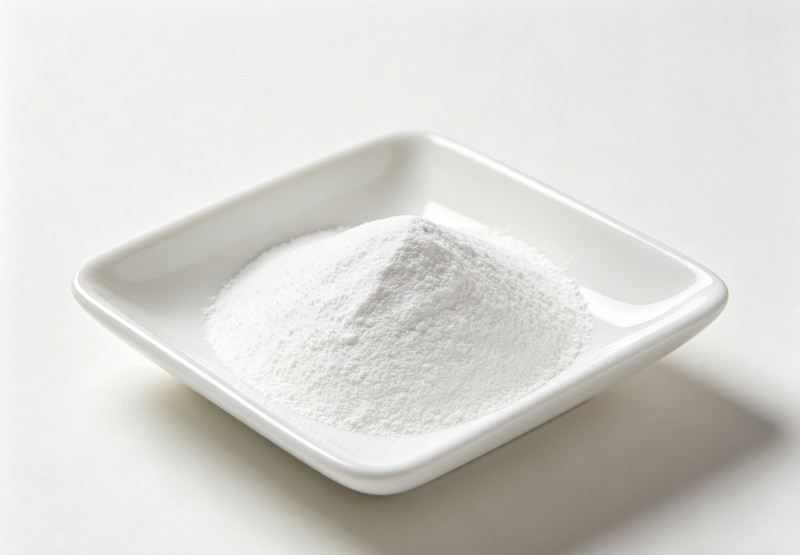
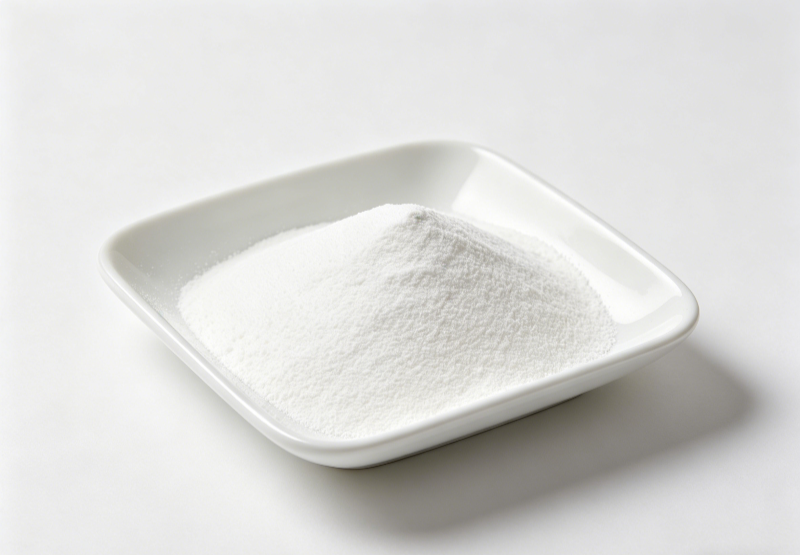
Sodium ascorbate is the sodium salt form of vitamin C (ascorbic acid), which combines the nutritional activity and more stable chemical properties of vitamin C. It is widely used in food, medicine, cosmetics and other fields.
I. Basic properties.
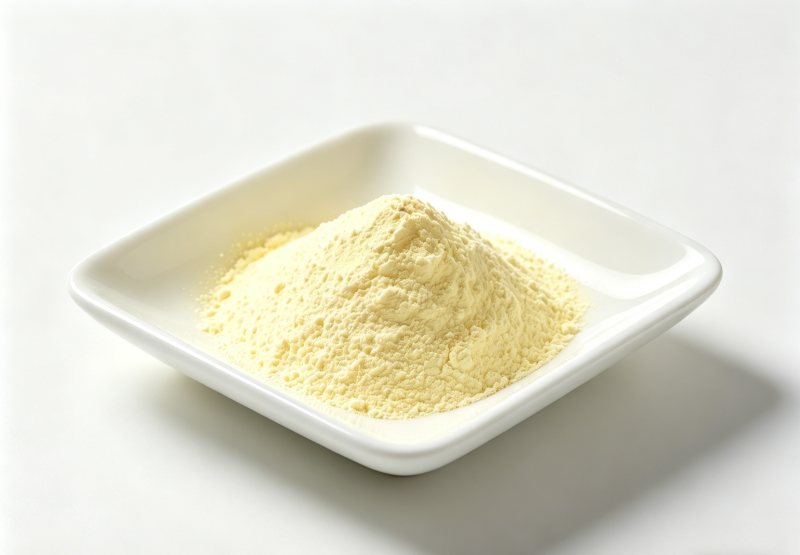
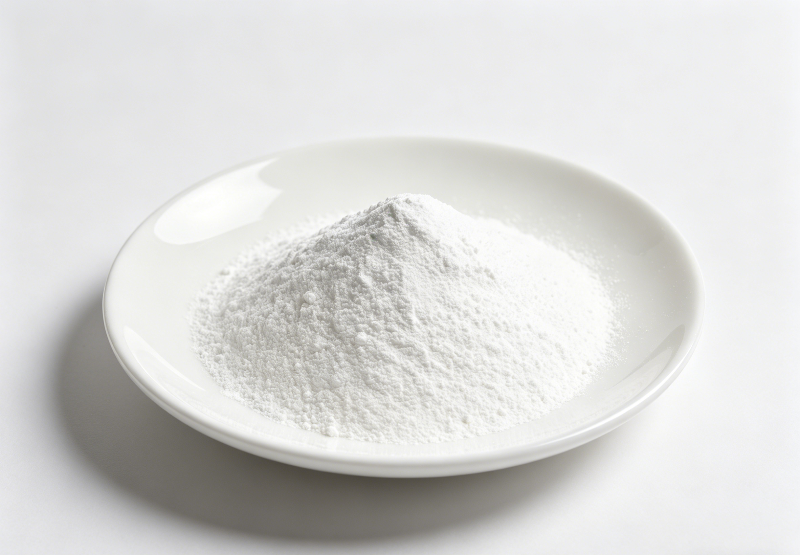
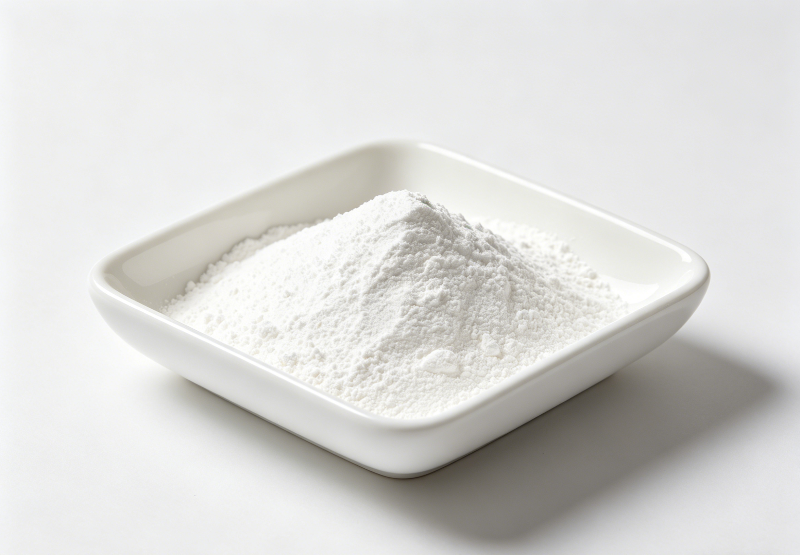
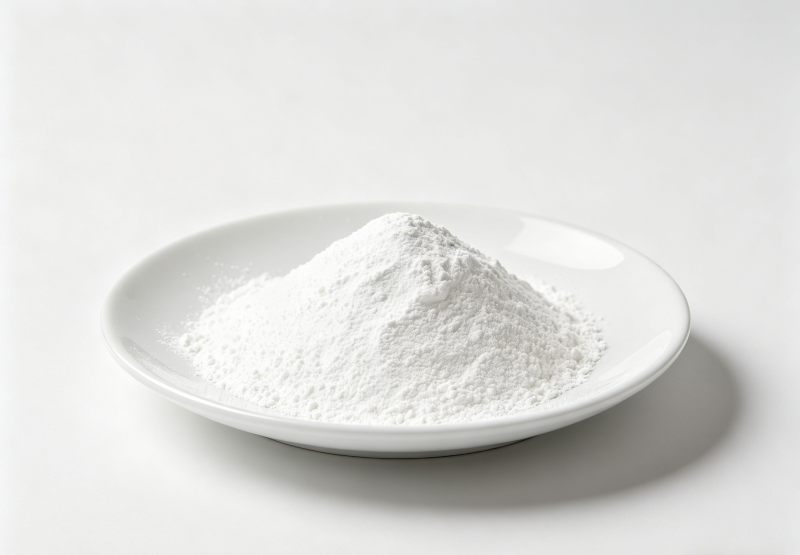
1. Chemical structure: Formed by the combination of ascorbic acid and sodium ions, with a molecular formula of C₆H₇NaO₆, a molecular weight of 198.11, appearing as a white to slightly yellow crystalline powder, odorless, and slightly salty in taste.
2. Stability: Compared to ascorbic acid (which is easily oxidized and decomposed), sodium ascorbate has stronger stability to light and heat, is less likely to deteriorate in neutral or weakly alkaline environments, and is easier to store and process.
3. Water solubility: Sodium ascorbate is easily soluble in water, and the aqueous solution is weakly alkaline (pH about 6.5-8.0). It is insoluble in organic solvents such as ethanol, which makes it easy to add to liquid foods or preparations.
II. Main functions and functions.
1. Antioxidant effect.
Sodium ascorbate, as a potent antioxidant, can eliminate free radicals, protect cells from oxidative damage, and delay the oxidative deterioration of oils and food ingredients.
2. Vitamin C supplementation function.
Sodium ascorbate can be converted into ascorbic acid in the body, participate in collagen synthesis, promote iron absorption, enhance immunity, maintain vascular integrity, etc. It is used for the prevention and treatment of vitamin C deficiency (such as scurvy).
3. Adjust the quality of food.
Sodium ascorbate can regulate acidity, stabilize color (such as preventing fading of meat products), and inhibit the conversion of nitrite into carcinogenic nitrosamines in food processing, thereby improving food safety.
III. Application areas.
1. Food industry:
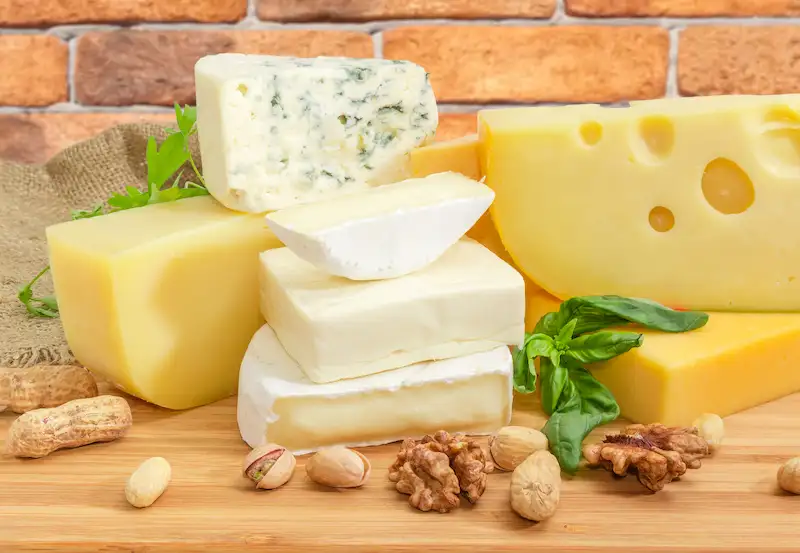
As a food additive, Sodium ascorbate is used in meat products, beverages, jams, canned goods, bread, etc., to exert antioxidant, color protecting, and nutritional strengthening effects.
2. In the field of medicine:
Sodium ascorbate can be made into tablets, injections, etc., used to supplement vitamin C and assist in the treatment of colds, infections, anemia, etc.
3. In the field of cosmetics:
Added to skincare products, utilizing its antioxidant properties to delay skin aging, promote collagen production, improve skin elasticity, and reduce UV damage.
4. Other:
Used as a feed additive to enhance the immunity of livestock and poultry; As a reducing agent in the printing and dyeing industry, Sodium ascorbate is used for deoxidation treatment after fabric bleaching.
• Prevent and Treat Scurvy • Enhance Immunity • Improve Food Safety


Company founded in Jinan, Shandong
Total manufacturing facility area
Annual production capacity
Dedicated in-house R&D specialists on team
Countries and regions served worldwide
Response guarantee for international inquiries