
Type “is allulose good for baking” into a search bar and you get two kinds of answers. There is cheerleading from brands that sell it, and there are horror stories from bakers whose cookies turned soggy. Both are partly right. Allulose is one of the few sugar substitutes that genuinely bakes like sugar, and it is also the one most often blamed for failed batches. The difference between those outcomes is not luck. It is whether you understand what sugar is actually doing in your recipe.
What Allulose Actually Does in Baking
Allulose is a rare sugar found naturally in small amounts in figs, raisins, and maple syrup. Chemists also call it D-psicose; the names describe the same molecule. It delivers about 70% of sucrose’s sweetness and roughly 0.4 calories per gram on US nutrition labels. Its glycemic index sits near zero, which is why it shows up in so many keto and blood-sugar-friendly formulas (MD Anderson, 2025).
One regulatory detail matters if you sell what you bake.
US LABELING RULE · FDA 2020
Allulose is excluded from “Total Sugars” and “Added Sugars” declarations; calories are calculated at 0.4 kcal/g. Guidance finalized in 2020 (FDA, 2020).
That combination lets a bakery keep a “no added sugar” claim on the label while keeping real, sugar-like browning in the product.
But sweetness is the least interesting thing sugar does. In a bakery formula, sugar works five jobs at once, and allulose does not cover them equally:
Sugar works five jobs in baking. Allulose natively covers two, partly covers a third, and leaves two unfilled.
What sugar does — and what allulose covers
Once you see the five jobs, the contradictory advice online starts making sense. Allulose fails crispy cookies because of job five. It burns cake tops because of job two. It disappoints in bread because of job four. And it wins in cakes because of jobs two and three together. The answer to “is it good for baking” depends entirely on which jobs your product needs done, so the practical next question is how it stacks up against the alternatives.
Where Allulose Sits Among Baking Sweeteners
Baking sweeteners fall into four functional camps, and each camp covers a different subset of the five jobs.
Sugar alcohols (polyols) are led by erythritol, which sits at a similar reduced sweetness to allulose. Its superpower is the job allulose cannot do: it crystallizes and re-hardens, restoring the firm set in cookies and icings. The trade-offs are a cooling sensation in the mouth and almost no browning. Maltitol and xylitol behave closer to sugar but carry digestive tolerance limits.
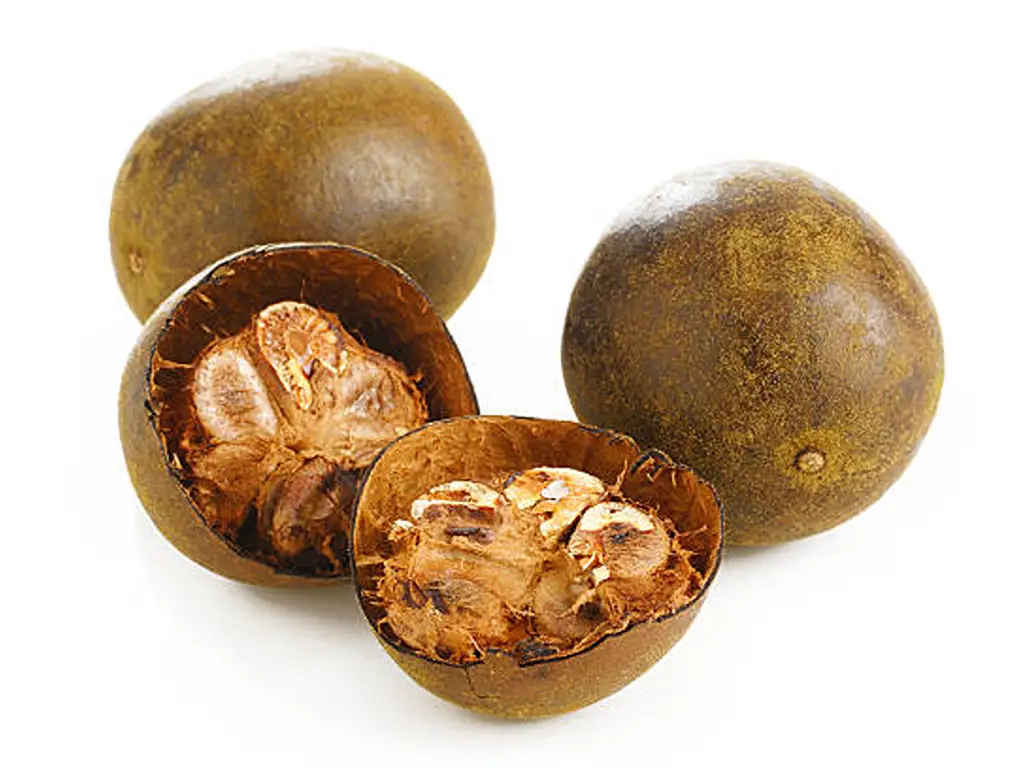
High-intensity sweeteners (stevia, monk fruit, sucralose) are hundreds of times sweeter than sugar, so they close the sweetness gap at tiny doses. They contribute no bulk, no browning, and no moisture, which is why a stevia-only cake does not exist.
Sweet soluble fibers are the quiet fourth camp. They bring bulk, body, and mild sweetness, and they are increasingly used to rebuild the texture that disappears when sugar leaves a formula.
Rare sugars (allulose) are the only camp that browns and caramelizes like sugar. No other substitute gives a bakery genuine crust color and caramel flavor.
Sweetener Camps vs the Five Jobs
| Camp | Sweetness vs sugar | Browning | Bulk and structure | Texture signature |
|---|---|---|---|---|
| Allulose (rare sugar) | ~70% | Yes, fast | Partial | Soft, moist, stays soft |
| Erythritol and other polyols | ~70% (erythritol) | Little to none | Yes | Crystallizes and firms; cooling effect |
| Stevia, monk fruit, sucralose (high-intensity) | Hundreds of times sweeter | None | None | Sweetness only |
| Sweet soluble fibers | Low | None | Yes | Bulk, body, mild sweetness |
Read that table as a hiring problem, not a talent contest. No single camp covers all five jobs, so when bakers search for “a substitute for allulose,” what they usually need is not a replacement but a partner. The partner could be erythritol to restore the set allulose lacks, a high-intensity sweetener to close the 30% sweetness gap, or a fiber to rebuild body. Commercial formulators learned this the hard way, and their lesson is exactly where the category-level answers live.
Which Baked Goods Win With Allulose, and Which Fail
As one Cargill commercial director put it, “in bakery, sugar contributes to structure, browning, moisture management, and shelf life” (Food Ingredients First, 2026). Replace the sugar and every one of those systems shifts at once. Here is the category-by-category verdict.
Cakes, Muffins, and Cheesecake: The Clear Wins
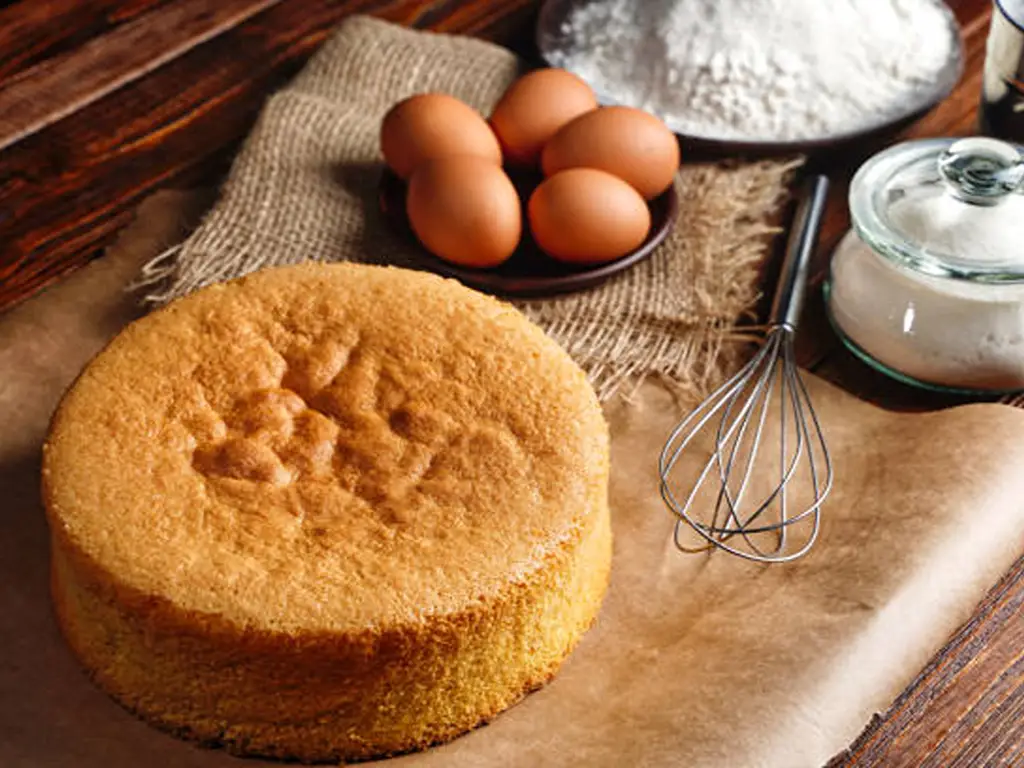
Batters are where allulose’s over-delivery turns into an advantage. It holds moisture, keeps crumbs tender for days, and bakes with genuine browning, and experienced bakers consistently report cakes coming out fluffier and lighter than their sugar-baked versions. The only adjustment is browning speed, which the next section covers with numbers. Cheesecake deserves a special mention. Basque-style cheesecake normally demands a deliberate burning step, but with allulose you just leave the top uncovered and the browning happens on its own.
Cookies: The Crisp-Versus-Chewy Divide
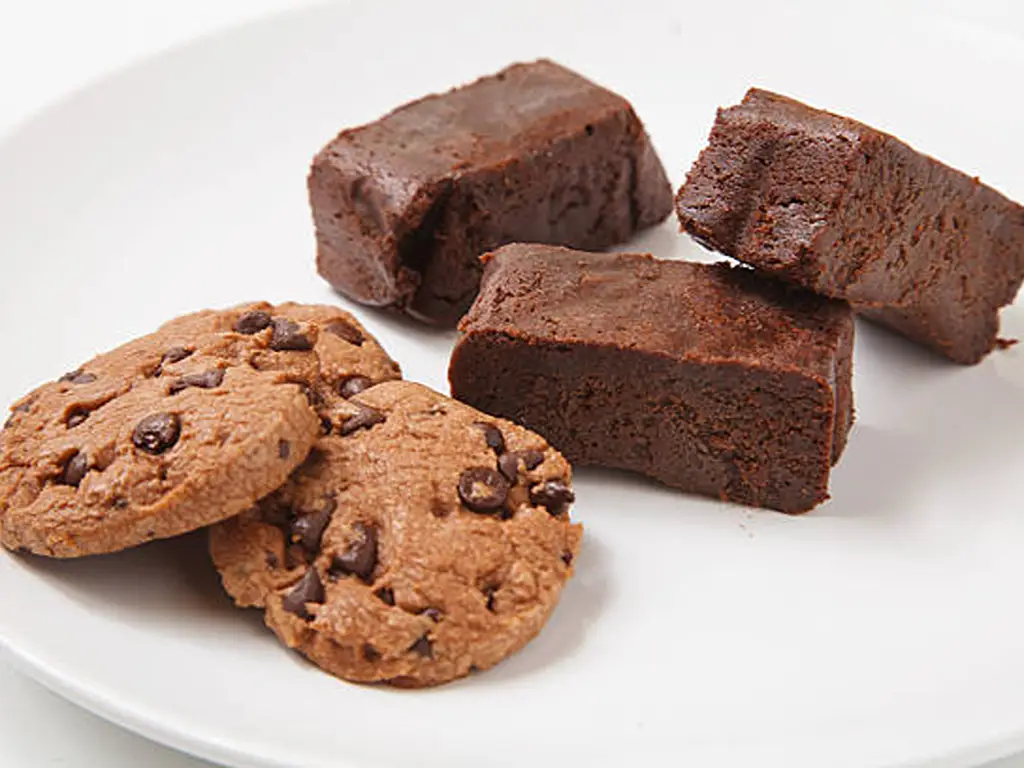
Soft-batch cookies sit comfortably in the win column, for the same moisture reasons as cakes. Crisp cookies sit firmly in the loss column. Allulose is more hygroscopic than sucrose and does not re-harden after baking. A crisp cookie made with allulose comes out of the oven right, then goes soft in the bag. This is the single most reported failure among home bakers, and it is chemistry, not operator error: no oven technique fixes a missing crystallization job.
Yeast Doughs: The Structural Exception
Sugar’s fourth job, feeding yeast, is the one allulose simply does not do. Recent research on sugar-free bread found that allulose doughs required longer fermentation than sucrose controls to reach comparable quality (Hu et al., Journal of Food Processing and Preservation, 2025). Swapping it into bread therefore calls for process changes, such as extended bulk fermentation or keeping a small share of a yeast-feeding sugar in the formula. A straight substitution reliably produces dense, slow-rising loaves.
The remaining categories fit in a single row each, and the full map looks like this:
Baking Category Verdicts for Allulose
| Category | Verdict | Failure boundary | Corrective action |
|---|---|---|---|
| Cakes and muffins | Win | Browns fast | Bake 25-50°F cooler, check doneness early |
| Cheesecake | Win | Top browns | Leave uncovered deliberately (Basque style) or cover with foil |
| Soft cookies | Win | Extra moisture | Slightly reduce liquid in the formula |
| Crisp cookies | Lose | No re-hardening, absorbs moisture | Blend with erythritol, or keep sucrose for the crisp set |
| Yeast breads | Conditional | Does not feed yeast | Extend fermentation or keep a small share of feeding sugar |
| Frostings and glazes | Conditional | Will not crystallize | Use powdered allulose and expect a smoother, softer set |
| Caramel and brittle | Conditional | Darkens suddenly | Low heat, constant attention, pull early |
| Frozen desserts | Win | Stronger freezing-point effect | Expect a softer, scoopable texture |
Two notes on reading that map. First, the “Conditional” rows are not consolation prizes: allulose frosting refusing to crystallize is a defect in royal icing and a feature in no-crystal ganache-style glazes. Second, the map is going to keep moving, because the industry goalposts themselves are shifting.
TREND WORTH WATCHING
With GLP-1 users reporting changed sweetness perception, flavor houses now describe the target as “better sweetness quality, not maximum sweetness,” and forecast “post-sweeteners” such as sweet soluble fibers with prebiotic function moving into bakery formulas (Kerry and ADM, via Food Ingredients First, 2026). As no-sugar-added bakery turns from a SKU experiment into a category strategy, the win/lose boundaries above will keep shifting toward “Conditional.”
How to Use Allulose Without the Failure Modes
A food technologist at ingredient supplier IFPC describes the same recurring customer: a bakery launching a no-sugar-added muffin by swapping sugar 1:1 for a single alternative sweetener. The formula keeps falling flat (IFPC, 2023). Erythritol alone browns poorly and tastes cooling. Allulose alone browns too much. Neither is as sweet as sugar. The fix in every case is a system rather than an ingredient, and building that system comes down to three decisions.
Step 1: Get the Replacement Ratio Right
Products labeled 1:1 are pre-blends; the manufacturer has already mixed in a high-intensity sweetener or filler to close the sweetness gap.
THE REPLACEMENT RATIO
1⅓ cups of allulose per 1 cup of sugar (allulose ≈ 70% as sweet). Per The Goalz, 2022; Lang’s Chocolates, 2025.
Both routes work. Pure allulose gives you control and a cleaner ingredient list. Pre-blends save a weighing step but hide the sweetness system, which makes troubleshooting harder later. Commercial buyers generally specify pure allulose, crystal or syrup, and build the blend in-house where it can be tuned.
Step 2: Control the Browning
Allulose participates in Maillard browning and caramelization the way sugar does, only faster, and the correction is arithmetic. Lower the oven temperature by 25 to 50°F: cookies from 350°F to around 300°F, cakes to around 325°F. Start checking doneness 5 to 10 minutes early (The Goalz, 2022; Lang’s Chocolates, 2025). One lever most home guides miss is formulation alkalinity. Baking soda accelerates Maillard browning, so trimming the soda is itself a browning-control tool in an allulose formula, and food-science practitioners use it as such (r/foodscience, 2020).
CARAMEL TRAP
Allulose does not darken gradually the way sugar does. It sits pale, then burns quickly once color starts to develop. Keep the heat low and pull it the moment color appears. Experienced users describe the flavor at that exact point as indistinguishable from real caramel, which is what makes the trap worth dodging.
Step 3: Fix Texture and Moisture
Anything that must stay crisp or set firm needs a partner that crystallizes, and erythritol is the standard answer. Blends of the two are common precisely because each covers the other’s missing job. Allulose brings browning and moisture; erythritol brings the firm set and cuts the cooling sensation. Fibers help in the same direction: home bakers report inulin restoring structure in otherwise fragile allulose bakes, the same bulk-rebuilding role industrial formulas assign to soluble fibers. In soft categories, do the opposite and let the moisture work, trimming a little liquid rather than fighting the softness. When a batch still goes wrong, the fastest route is diagnosis by symptom.
Allulose Baking Failure Diagnostic
| Symptom | Functional root cause | Corrective action |
|---|---|---|
| Cookies soggy at a 1:1 swap | Hygroscopicity, job 3 over-delivery | Cut liquid slightly, blend with erythritol |
| Cookies browned too fast | Browning over-delivery, job 2 | Oven down 25-50°F, reduce baking soda |
| Crisp cookies soft the next day | No recrystallization, job 5 | Erythritol in the blend, cool fully before packing |
| Cake top burned | Fast surface browning, job 2 | Bake at 325°F, cover top with parchment late in the bake |
| Maillard flavor too strong | Browning plus alkalinity | Reduce baking soda, shorten the bake |
| Bread dense with slow rise | No yeast feeding, job 4 | Extend fermentation or keep a small share of feeding sugar |
| Frosting will not set | No crystallization, job 5 | Use powdered allulose, expect a softer set or add a setting fat |
Sourcing Allulose for Commercial Bakery Production
If your team carries one thing from the five-jobs framework into a sourcing conversation, it is this. The question is no longer “what is the spec sheet of this ingredient” but “which jobs can this supplier’s system cover.” Four checks separate a workable allulose partner from a commodity seller.
Supplier Checks for an Allulose Bakery Program
That fourth check is where markets diverge, and the details matter more than most blog posts admit. In the US, the FDA’s 2020 guidance lets manufacturers exclude allulose from Total and Added Sugars and count it at 0.4 kcal/g (FDA, 2020). In the EU, allulose is not banned, despite the framing that keeps circulating in search results. It is an unauthorised novel food: absent from the Commission’s authorised list, with applications pending (European Commission; Ozzi, 2026). Industry sources report recognition in markets such as South Korea and Australia–New Zealand (Food Ingredients First, 2026). Verify each destination market before committing a claim to a label, because approval status is moving.
On the first two checks, we build the system in-house. SAIGAO supplies allulose as crystal or syrup and customizes form and particle size, purity/assay, pH, water activity, and packaging to the buyer’s specification. Erythritol, high-intensity sweeteners, and soluble fibers fill the bulk and sweetness positions of the same blend (see the full sweetener and soluble fiber range). If you are planning a no-sugar-added bakery SKU, request samples and spec sheets and run the win/lose matrix against your own line before you scale.
NO-SUGAR-ADDED BAKERY, SUPPLIED
Test Allulose in Your Own Bakery Line
Crystal or syrup samples with full spec sheets — run the win/lose matrix on your own formulas first.
Request Samples & Spec SheetsReferences
- U.S. Food and Drug Administration. “Guidance for Industry: The Declaration of Allulose and Calories from Allulose on Nutrition and Supplement Facts Labels.” October 2020. fda.gov
- European Commission. “Union list of novel foods.” europa.eu
- European Commission. “Application for the Approval of Allulose as a Novel Food Ingredient in the European Union.” Application 2018-0394. europa.eu
- MD Anderson Cancer Center. “Is allulose a healthy sugar substitute?” 2025. mdanderson.org
- Hu, J. et al. “Effect of allulose on the quality characteristics of sugar-free bread.” Food Bioscience, 2025, 107089. sciencedirect.com
- Xie, Y. et al. “Low-calorie d-allulose as a sucrose alternative modulates the physicochemical properties and volatile profile of sponge cake.” Journal of Food Science, 2024. doi.org
- Woodbury, T.J. & Mauer, L.J. “Investigation of oligosaccharides and allulose as sucrose replacers in low-moisture wire-cut cookies.” Food Research International, 2024, 114844. nih.gov
- Food Ingredients First. “Sugar reduction future: Kerry, ADM, Samyang, Cargill and GLP-1.” 2026. foodingredientsfirst.com
- The Goalz. “Allulose in Baking & Cooking.” 2022. thegoalz.com
- Lang’s Chocolates. “The Complete Guide to Keto Baking with Allulose.” 2025. langschocolates.com
- Reddit r/foodscience. “Allulose in baking.” 2020. reddit.com
- Ozzi. “Why Is Allulose Banned in Europe?” 2026. heyozzi.com
 English
 Russian
 Spanish
 French
 Arabic