
Sugar-free gummies, keto chocolate bars, diabetic-friendly ice cream: a lot of them share one ingredient that people either swear by or refuse to touch. That ingredient is maltitol, and the strong opinions rarely come with a definition. Some shoppers treat it as a sneaky form of sugar. Others lump it in with aspartame and sucralose as an “artificial sweetener.” Buyers in the food industry, meanwhile, run into a different problem: quotes for the “same” maltitol that differ by a wide margin, with no obvious explanation.
All three confusions have the same answer underneath. This guide walks the full distance from the ingredient label to the specification sheet: what maltitol is, what it is made from, whether it counts as artificial, how its three commercial forms differ, and what to verify before you pay for any of them.
What Maltitol Is, and Why It Is Not a Sugar
Maltitol is a sugar alcohol, which chemists call a polyol. Sugar alcohols are a family of carbohydrates that occur naturally in small amounts in fruits and vegetables, and maltitol is one of the most commercially important members, alongside xylitol, sorbitol, erythritol and isomalt (IFIC, 2020). In precise terms, maltitol is a disaccharide alcohol: 4-O-α-D-glucopyranosyl-D-glucitol, with the food additive number E 965 and the reference standard USP, BP and FCC grades are written against. It is not an alcohol in the drinking sense and it is not metabolized like ethanol; the name describes a hydroxyl group on the molecule.
Maltitol Identity Card
If you search “maltitol sugar,” search engines will oblige, but the name is a folk label rather than a fact. Maltitol is not a sugar. It is the sugar alcohol most often chosen to replace sugar one for one, because among the polyols its properties sit closest to sucrose: comparable bulk, a clean sweet taste with almost no cooling effect, and a similar melting behavior (IFIC, 2020). The nickname exists because the substitution works well enough that people shorthand it as a kind of sugar. The honest version reads: maltitol sweetener, roughly 75 to 90 percent as sweet as sucrose depending on grade and measurement, at roughly half the calories (Wikipedia, 2026; our own write-up on what drives maltitol’s sweetness covers the variables).
The calorie figure needs one more pass, because sources disagree. Practical references put maltitol near 2.1 kcal per gram against sucrose’s 4 (IFIC, 2020). EU labeling law assigns all polyols a flat 2.4 kcal per gram for nutrition declarations (Regulation (EU) 1169/2011, Annex XIV). US tables often show a 2 to 3 kcal per gram band. None of these numbers contradict each other; they are a measured average, a legal constant, and a conservative range doing three different jobs.
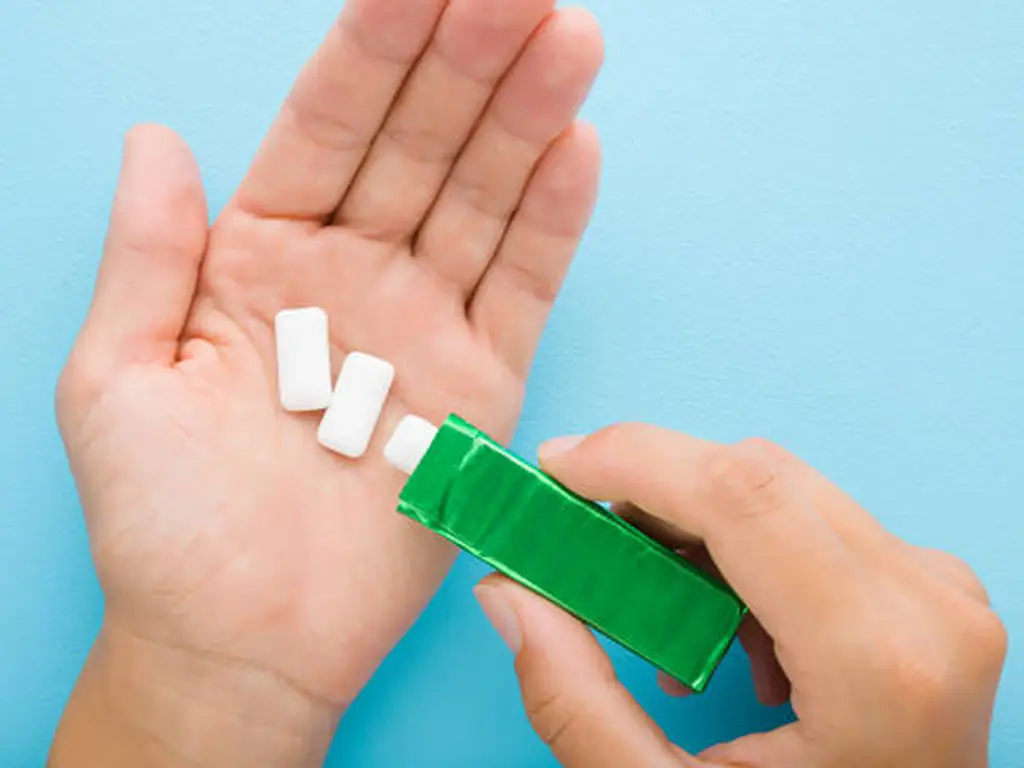
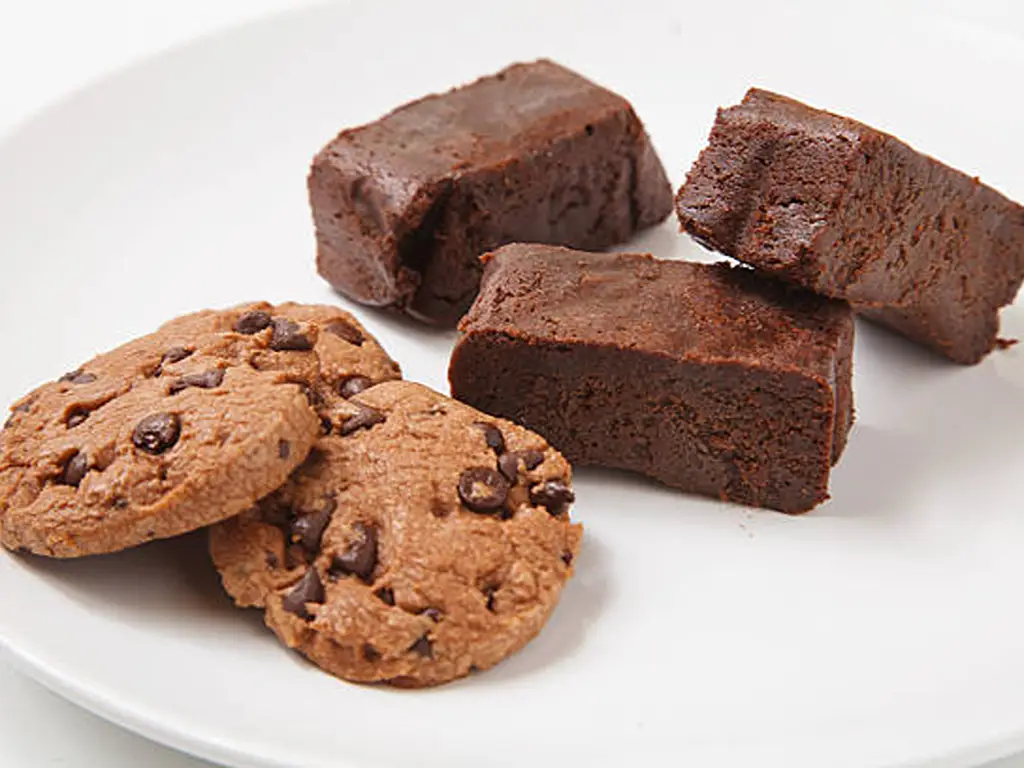
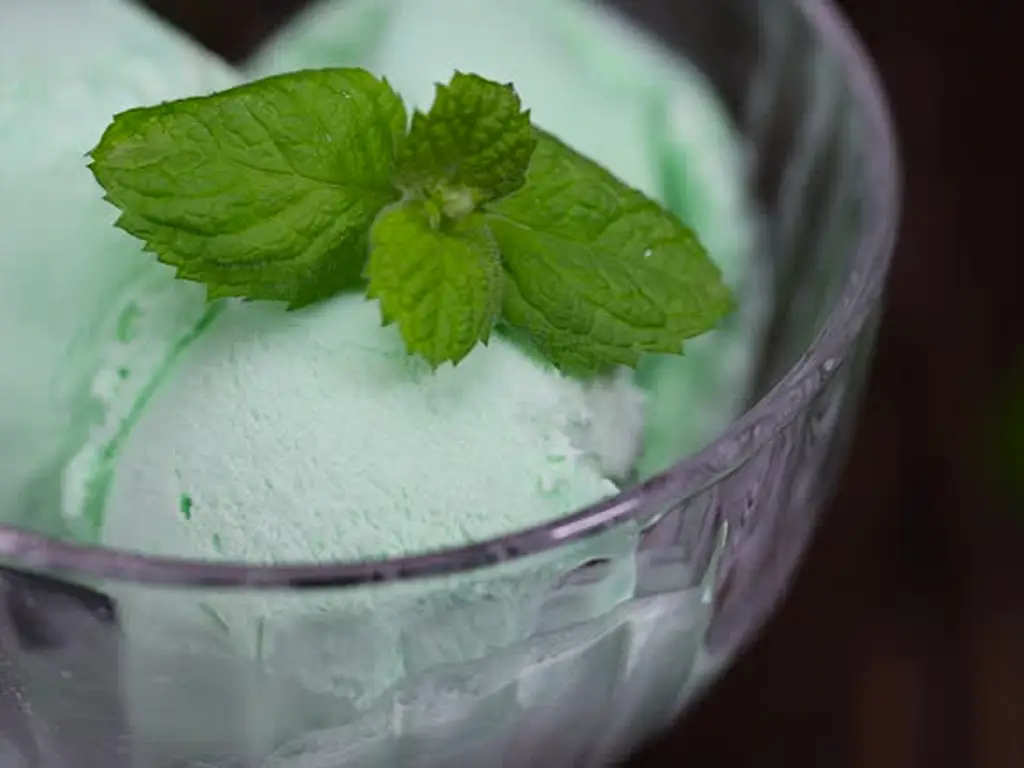
Where does it show up? Almost everywhere sugar needs to keep its physical job but lose some of its metabolic one: sugar-free chocolate and hard candy, chewing gum, baked goods and ice cream, and as a pharmaceutical excipient in syrups and coatings (IFIC, 2020; Wikipedia, 2026). It raises blood glucose less than sugar because it is hydrolyzed slowly and only partially, so an equal sweetness dose calls for less insulin (IFIC, 2020). It is also non-cariogenic, since oral bacteria cannot ferment it efficiently. Tolerance has a real ceiling, which we come back to below, and it is worth knowing that excessive single doses can have a laxative effect, a topic with its own dedicated guide (safety and tolerability of maltitol syrup).
How Maltitol Is Made: From Starch to Sugar Alcohol
Here is the property: you will not find maltitol in a fruit or a beehive. Unlike stevia, which is extracted from a leaf, or honey, which is harvested, maltitol does not exist in usable quantities in nature. Every kilogram on the market is manufactured, commercially produced from starch (IFIC, 2020). The manufacturing chain matters more for maltitol than for most ingredients, because the quality of each step is written directly into the specification sheet you later buy against.
The Maltitol Manufacturing Chain
From Starch to High-Maltose Syrup
The feedstock is starch from cereals and tubers: corn, wheat, potatoes, or tapioca depending on the region and the supply chain (Saraiva et al., 2020). Enzymes break the long starch chains down in a controlled way, a process the industry calls hydrolysis, until the syrup reaches a high maltose content. Maltose is a disaccharide made of two glucose units, and it is the direct precursor of maltitol: the molecule that will be hydrogenated, not an impurity to remove. This is the same wet-milling logic the starch sugar industry has run for decades, which is why maltitol production scales reliably.
One clarification belongs right here, because the “malt-” prefix causes genuine mix-ups.
Not the same thing: maltose is the sugar maltitol is made from. Maltodextrin is hydrolyzed starch that was never hydrogenated, so it behaves metabolically like an ordinary carbohydrate. Maltol is an unrelated flavoring molecule. Three similar names, three different substances; only maltitol is the sugar alcohol.
Hydrogenation: Where Sugar Becomes Sugar Alcohol
The defining step is catalytic hydrogenation: high-maltose syrup, hydrogen gas, pressure, and a nickel-based catalyst (Cleveland Clinic, 2024). Hydrogen adds across the reducing end of the maltose molecule, converting one glucose unit into a glucitol (sorbitol) unit while the carbon skeleton stays intact. The result is a molecule that is still sweet and still bulky, but no longer a reducing sugar and no longer fully digestible.
That single chemical fact explains a specification row you will meet again later. When hydrogenation runs to completion, residual reducing sugars fall toward zero; commercial grades specify them at or below 0.1 percent. Reducing sugar content is therefore not an abstract purity number. It is a direct measurement of how completely step two did its job.
Purification and Finishing: Where the Specs Are Born
After the reactor, the syrup carries things a food product cannot: color bodies from the earlier heat steps, mineral ions from water and raw materials, and traces of the hydrogenation catalyst. Purification removes them in sequence, typically decolorization with activated carbon, ion exchange to strip dissolved salts and metals, and precision filtration, followed by vacuum concentration. What happens next decides the commercial form: controlled crystallization yields crystalline maltitol, which can be milled into powder, while part of the stream can be finished as maltitol syrup without pushing it to crystallize.
Read the four steps side by side and the specification sheet starts talking back. Reducing sugars measure hydrogenation completeness. Nickel residue measures how well the catalyst was separated afterward. Conductivity measures ion-exchange quality. Water content measures drying and crystallization control. A supplier who runs the whole chain in-house can hold those numbers and explain them; a trader reselling someone else’s drums usually cannot.
Is Maltitol an Artificial Sweetener? The Verdict
If maltitol is an industrially hydrogenated chemical product, the next question writes itself: is maltitol an artificial sweetener? The internet answers three different ways. MedicineNet describes sugar alcohols as a group of artificial sweeteners (MedicineNet), and several blogs follow. Health bodies place maltitol among naturally derived sugar substitutes (IFIC, 2020). AI overviews tend to split the difference with “naturally derived but industrially processed,” which is accurate but unsatisfying when you just want a verdict.
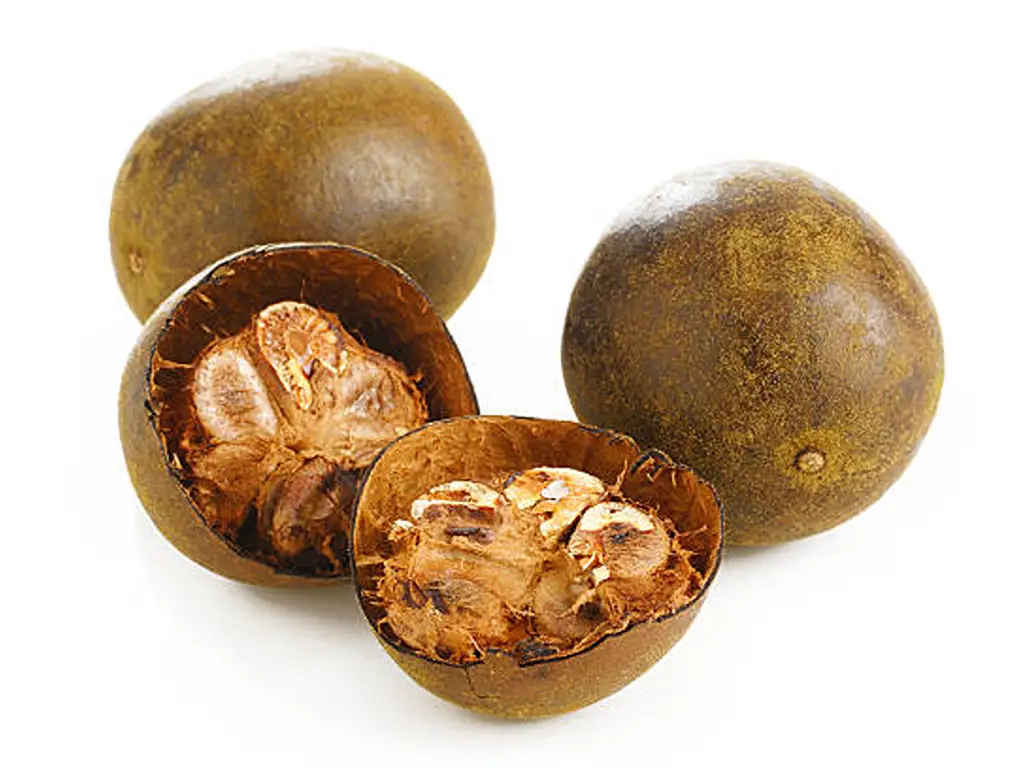
Here is the verdict, and the framework that produces it. “Artificial sweetener” is not a regulatory category; it is a marketing word with no definition. The regulated categories look different. Intense sweeteners such as aspartame, sucralose and saccharin are high-potency compounds synthesized or refined to deliver hundreds of times the sweetness of sugar at essentially zero calorie. Sugar alcohols, including maltitol, are a separate class: modestly sweet, caloric, bulky, and produced from sugars and starches even though related compounds occur in nature. Plant extracts such as stevia and monk fruit form a third class again (Mayo Clinic).
Three Sweetener Classes, and Where Maltitol Sits
| Class | Typical members | How they are made | Sweetness vs sucrose | Calories | Maltitol in this class? |
|---|---|---|---|---|---|
| Intense (artificial) sweeteners | aspartame, sucralose, saccharin | chemical synthesis | 200x or higher | about 0 | No, different class and different regulation |
| Sugar alcohols (polyols) | maltitol, xylitol, sorbitol, erythritol | hydrogenation of sugars, naturally occurring in small amounts | 0.5x to 1x | 0.2 to 3 kcal/g | Yes, this is maltitol’s class |
| Plant extracts | stevia, monk fruit | leaf or fruit extraction | 150x to 400x | about 0 | No |
Maltitol is a sugar alcohol: not an artificial sweetener in the regulatory sense, and not an unprocessed natural product either. The regulators agree with each other even when blogs do not. In the United States, maltitol appears on nutrition labels in the “sugar alcohol” line. That declaration is voluntary by default and becomes mandatory when a claim is made about sugars or sugar alcohol (21 CFR 101.9(c)(6)(iv)). It does not travel the additive pathway the intense sweeteners use. In the EU it is a fully approved food additive, E 965. The Joint FAO/WHO Expert Committee on Food Additives reviewed maltitol and set its acceptable daily intake at “not specified,” the JECFA way of saying that toxicology did not justify a numeric ceiling (JECFA/WHO); maltitol syrup received the same evaluation in 1997 (JECFA/WHO). “Not specified” is the highest safety rating an additive can receive, but read it precisely: it addresses toxicity, not the osmotic laxative effect that caps practical serving sizes. The laxative side has its own rule in the EU, where foods carrying more than 10% added polyols must state it (Regulation (EU) 1169/2011, Annex III).
There is a fair point buried in the “artificial” complaint, though, and it deserves an honest answer. Consumers who say “this is a manufactured chemical product” are noticing something true: maltitol does not exist in nature and requires industrial processing. The reasonable response is not “no, it’s natural.” It is that the processing is exactly what specifications exist for. Which raises the question buyers actually care about: what separates one maltitol from another.
Crystal or syrup, every grade ships with its published specification sheet and a per-batch certificate of analysis.
Request the Grade SheetsCrystalline, Powder, Syrup: One Name, Three Materials
Here is the fact that reorders everything else in this article. Crystalline maltitol is typically sold at 98% purity or higher. Maltitol syrup can be half maltitol by content. The same word appears on both labels, but the materials in the drum are different, and so is the price, the performance, and the metabolic footprint.
One name, two purity stories: crystalline maltitol runs 98.0 to 100.5% assay, while maltitol syrup is a hydrogenated starch hydrolysate in which maltitol itself may be only 50 to 80% of the solids. Check the composition line, not the product name.
Crystalline Maltitol: the Purity Benchmark
Crystalline maltitol is the hydrogenated, purified syrup driven to crystallization: the high-purity endpoint of the chain. A typical pharmacopoeia-grade specification, written against USP, BP and FCC methods, reads assay 98.0 to 100.5% on a dry basis, melting point 148 to 151 °C, water at or below 1.0%, reducing sugars at or below 0.1%, nickel at or below 1 mg/kg, and conductivity at or below 20 µS/cm (example crystalline maltitol specification). The crystal dissolves readily in warm liquids, roughly 50 °C and above, and it neither caramelizes nor participates in Maillard browning (Wikipedia, 2026). For sugar-free chocolate, hard candy and tabletop use, that combination of purity, sweetness close to sucrose, and heat stability is exactly the point. For applications that rely on browning, it is a limitation to formulate around, not a defect.
Maltitol Powder: the Same Crystal, Milled
Powder is crystalline maltitol with a different particle size, produced by milling or spraying the crystal. Chemically it carries the same high assay; physically it disperses where the crystal is slow. Room-temperature and cold applications, home baking, premixes and powdered beverage blends favor the powder because the crystal needs warm water to dissolve promptly. Two handling properties matter when you buy powder: hygroscopicity, since it will pull moisture and cake in humid storage, and flowability, which follows particle size distribution. Both are adjustable at the mill, which is why serious suppliers treat particle size as a specification, not an accident.
Maltitol Syrup: the Hydrogenated Starch Hydrolysate
Maltitol syrup, chemically a hydrogenated starch hydrolysate, is what you get when the chain stops before crystallization. It is not pure maltitol: hydrogenated corn syrup contains between 50% and 80% maltitol by weight, with the remainder mostly sorbitol plus other hydrogenated oligosaccharides (Wikipedia, 2026; JECFA/WHO). Commercial grades make the composition explicit; one manufacturer’s line, for instance, runs types 75/50 through 85/55 with maltitol at or above 50% and sorbitol capped at 8.0% in the entry grade (maltitol syrup grades). The syrup runs about 90% of sucrose sweetness per its own technical data, resists crystallization, holds water, and suits beverages, coatings, soft candy and any system where a sticky, humectant sweetener is the point. That same composition is why tolerance numbers for “maltitol syrup” do not transfer cleanly to the crystal: sorbitol and the higher polyols carry their own osmotic load, a distinction that matters when you read GI or digestive-tolerance figures across forms.
Maltitol Forms: Material Basis, Best Fit, and Boundaries
| Form | Material basis and purity | Best-fit applications | Boundary / what to check |
|---|---|---|---|
| Crystalline | disaccharide polyol, assay 98.0 to 100.5% dry basis | chocolate, hard candy, tabletop, pharma excipient | needs warmth to dissolve (50 °C and up); no Maillard browning, so color must come from the recipe |
| Powder | same crystal, milled to size | premixes, home baking, cold beverages | hygroscopic: confirm packaging and storage; flowability follows particle size |
| Syrup | hydrogenated starch hydrolysate, maltitol 50 to 80% plus sorbitol | beverages, coatings, soft candy, humectant systems | not pure maltitol: match the grade number (maltitol %, sorbitol %) to the application and the tolerance claim |
The price gap between quotes usually stops being mysterious after this section. A high-assay crystal and a 50% syrup are different products that happen to share a name, and even within one form, tighter reducing sugar, lower nickel residue and tighter water specs all cost process time. Purity is the material basis of both the performance and the price. Buyers who compare only the product name and the tonnage price are comparing different molecules with the same label.
Reading a Maltitol Spec Sheet Before You Buy
Everything above compresses into a buying sequence. Choose the form first, against the matrix above: crystal for confectionery and chocolate systems, powder for cold and dry blends, syrup for beverages, coatings and humectant applications. Then read the specification sheet with five rows in mind.
Assay is the identity line: it tells you whether you are buying the near-pure disaccharide polyol or something diluted. Reducing sugars measure hydrogenation completeness; residue above spec signals incomplete conversion, which shows up downstream as hygroscopicity and flavor instability. Nickel is the catalyst-carryover line; pharmacopoeia grades hold it at or below 1 mg/kg. Water predicts caking behavior and shelf life. Microbiology, total plate count and coliforms, closes the loop on process hygiene. The ranges above, 98.0 to 100.5% assay, reducing sugars at or below 0.1%, nickel at or below 1 mg/kg, water at or below 1.0%, are what a pharmacopoeia-grade crystal looks like on paper; commodity blends will not match all five rows, which is precisely how they cost less.
Then ask for the documents. A specification sheet, a certificate of analysis for the actual batch, and market-relevant certifications. For syrup grades, insist on the composition table, maltitol percentage, sorbitol percentage, dry solids, because “maltitol syrup” without numbers is a name, not a specification.
Finally, ask one question the paperwork cannot answer directly: does this supplier run the chain in-house? Hydrolysis, hydrogenation, purification, crystallization, plus the laboratory instruments to certify each row per batch.
Maltitol Due Diligence Checklist
- Form chosen against application (crystal / powder / syrup)
- Assay confirms purity class (crystal benchmark: 98.0 to 100.5% dry basis)
- Reducing sugars at or below 0.1% (hydrogenation completeness)
- Nickel at or below 1 mg/kg (catalyst carryover)
- Water at or below 1.0% (caking and shelf life)
- Per-batch COA, not just a static spec sheet
- Syrup grades: composition table with maltitol % and sorbitol %
- Market certifications on file
- Supplier runs hydrolysis-to-crystallization in house with HPLC, GC or IC testing
What This Means for Sweetener Buyers
The consumer reviews are loud and contradictory: the same molecule is called a laxative trap by one reviewer and preferred over erythritol by the next. Read those reviews with the chain in mind and the contradiction mostly dissolves. Products that earned the “cheap filler” reputation were formulated around commodity-grade material, syrups heavy in companion polyols and loose on reducing sugars, dosed at levels the ingredient’s osmotic budget does not forgive. Products that quietly satisfied formulators were specced tighter. The reputation problem is a specification problem wearing a marketing costume.
For distributors and importers, that reframing has two practical consequences. Stock by application: crystalline grades for confectionery and chocolate customers, syrup chosen by maltitol content for beverage and coating customers, powder for dry-blend customers, rather than one SKU standing in for all three. And quote by specification: when a downstream customer asks why your maltitol does not cause the trouble they had with the last shipment, the answer is a set of numbers, reducing sugars, sorbitol content, water, that your competitor buying on price alone has not controlled.
In practice, the suppliers who can hold those numbers are the ones who run the chain rather than just the bagging line. Our maltitol program at SAIGAO runs on a dedicated maltitol production workshop within a fully enclosed, automated line, with in-house HPLC, GC and ion chromatography behind every batch certificate. Because crystal and syrup are different endpoints of the same chain, we adjust both against eight published customization axes: viscosity, purity and assay, pH, water activity, form and particle size, DE value, fiber content and packaging. When an application sits between two standard grades, that axis list is the shortest route to a specification that matches it (customization axes; manufacturing).
From starch to spec sheet, maltitol is easiest to judge the way buyers judge it: by form, by composition, and by the numbers a supplier is willing to certify per batch. Our crystalline maltitol and maltitol syrup grades are specified in full on their product pages, with certificates of analysis available for every shipment. Request a quote or sample and our team will respond within 12 hours.
Maltitol, Specified Before You Buy
Crystalline maltitol to USP/BP/FCC assay specs and syrup grades from type 75/50 to 85/55, batch COAs on every shipment, free samples and a 12-hour response for international inquiries.
Get the Spec SheetsReferences
- Saraiva, A., et al. “Maltitol: Analytical Determination Methods, Applications in the Food Industry and Health Implications.” Foods, 2020. pmc.ncbi.nlm.nih.gov
- Mäkinen, K.K. “Gastrointestinal Disturbances Associated with the Consumption of Sugar Alcohols.” International Journal of Dentistry, 2016. pmc.ncbi.nlm.nih.gov
- JECFA/WHO. “Maltitol (JECFA Database Entry).” FAO/WHO, Meeting 46. apps.who.int
- JECFA/WHO. “Maltitol Syrup: Evaluation.” WHO Food Additives Series, 1997. inchem.org
- eCFR. “21 CFR 101.9: Nutrition Labeling of Food.” U.S. Government. ecfr.gov
- EUR-Lex. “Regulation (EU) No 1169/2011 on Food Information to Consumers, Annex III and Annex XIV.” 2011. eur-lex.europa.eu
- IFIC. “What Is Maltitol?” International Food Information Council, 2020. ific.org
- Mayo Clinic. “Artificial Sweeteners and Other Sugar Substitutes.” mayoclinic.org
- Cleveland Clinic. “What You Should Know About Sugar Alcohols.” 2024. health.clevelandclinic.org
- Wikipedia. “Maltitol.” 2026. en.wikipedia.org
- MedicineNet. “Is Maltitol Better or Worse than Sugar? Are There Side Effects?” medicinenet.com
- Reddit r/keto. “The Issue with Maltitol.” 2023. reddit.com
- Quora. “Is Maltitol a 100% Natural Sweetener or Artificial?” quora.com
 English
 Russian
 Spanish
 French
 Arabic