
Search for maltitol’s glycemic index and you will meet a wall of different numbers: 29, 35, 36, 43, 52. All of them come from real measurements, and none of them is simply wrong. That is the most useful thing to understand about this sweetener. The short answer: crystalline maltitol measures around 36 on the glycemic index, maltitol syrup measures around 52, and sucrose sits near 65 (Saraiva et al., 2020). So yes, maltitol raises blood sugar, but less than sugar does. Everything else worth knowing (why real products refuse to obey the chart, what keto and diabetes communities actually disagree about, and what all of this means for labels and sourcing) hangs off those three numbers. This guide takes them in order.
What the Number Actually Says, and Why It Comes in Two Versions
Maltitol is a sugar alcohol (polyol) made by hydrogenating maltose syrup derived from corn or tapioca starch. It delivers roughly 75–90% of sucrose’s sweetness at about 2.1 kcal per gram, does not promote tooth decay, and is approved in major markets including the EU (as E 965) (Saraiva et al., 2020). One disambiguation before anything else: maltitol is not maltodextrin. Maltodextrin is a starch-derived glucose polymer that scores near the very top of the glycemic scale, close to pure glucose (GI 100 by definition of the scale). The two names collide constantly in comment sections, and they behave nothing alike. Everything below is about maltitol, the polyol.
36 vs 52: one ingredient name, two glycemic answers, 16 points apart. The form of maltitol on the label decides which answer applies.
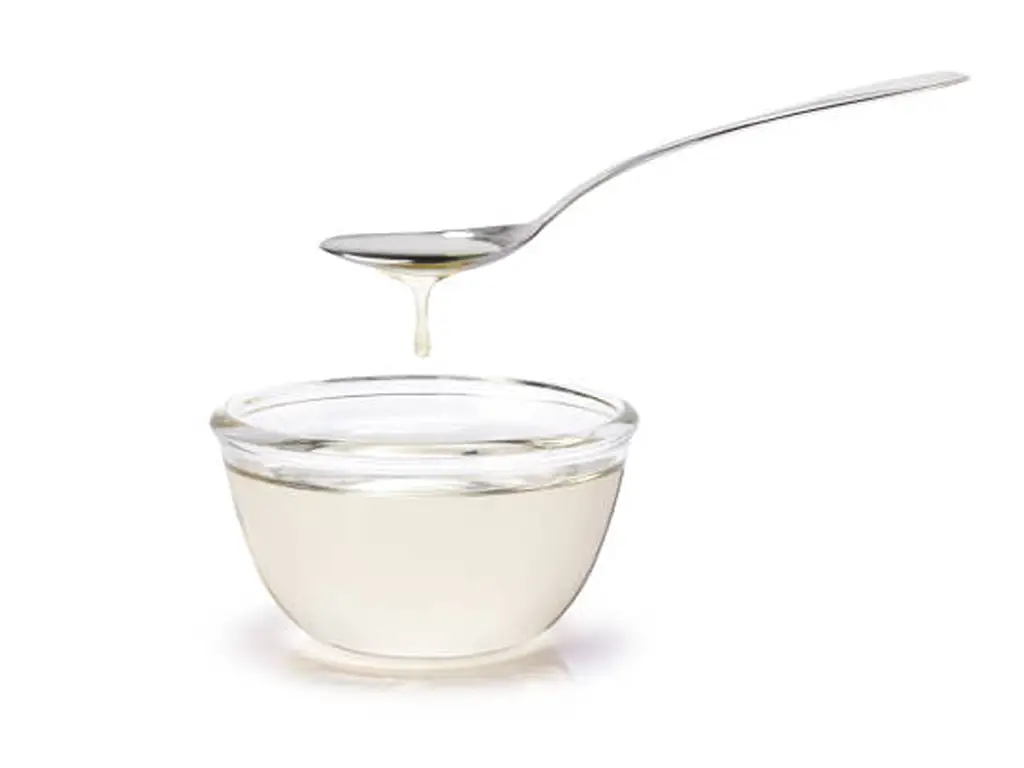
Why two answers for one name? Crystalline maltitol is a high-purity single molecule (specification-grade powder assays at 98%+ maltitol), and it measures GI ≈36. Maltitol syrup is not diluted crystalline maltitol. Commercial syrup grades carry roughly half or more of their solids as maltitol, together with a significant fraction of hydrogenated oligosaccharides (larger hydrogenated saccharides) and a controlled sorbitol fraction (≤8.0% in the common 75% grade). Those hydrogenated oligosaccharides are what push the syrup’s GI up to 52 (Saraiva et al., 2020). The popular claim that maltitol has “about half the glycemic impact of sugar” is accurate for the crystalline form (36 vs ~65) and optimistic for syrup, which lands closer to two-thirds of sugar’s impact.
Context helps, so here is maltitol against the sweeteners it usually shares a label with. Treat these as published approximations: exact values vary by study, method, and form.
Common Sweeteners by Glycemic Index (published approximations)
| Sweetener | GI (approx.) | Note |
|---|---|---|
| Erythritol | ~0 | Excreted unchanged; best-in-class glycemic profile |
| Lactitol | ~6 | Polyol |
| Isomalt | ~9 | Polyol |
| Sorbitol | ~9 | Polyol |
| Xylitol | ~13 | Polyol |
| Maltitol (crystalline) | ~36 | Highest-GI common polyol |
| Maltitol syrup | ~52 | Hydrogenated oligosaccharides push it up |
| Sucrose | ~65 | Reference |
DataSource: Saraiva et al. 2020; GoodRx 2024; KetoConnect
If you have seen figures from 29 to 52 attached to maltitol, you now know where they come from: different forms, different assay methods, different eras of testing. They all collapse into the form-qualified pair above. (Maltitol’s other famous issue, digestive distress, is a separate dose-dependent story with its own thresholds; it is covered in a separate guide to maltitol’s digestive tolerance.)
The number is now qualified. The next question is why your own glucose curve sometimes refuses to follow it.
Why Real Products Don’t Match the Chart
A GI value is measured under standardized conditions: 50 grams of available carbohydrate, fasting subjects, blood sampled at fixed intervals for two hours. Real life violates every one of those conditions at once, in four predictable ways.
The Dose and the Carrier
The 50-gram standard matters because dose and vehicle drive the response. In a controlled trial, a single 50 g dose of maltitol produced significantly lower glucose and insulin responses than the same dose of sucrose in healthy young subjects (Msomi et al., 2021). Change the dose or the matrix, though, and the picture shifts. Fat and protein in a chocolate or ice-cream base slow gastric emptying and flatten the curve; a gummy carrier does not. Continuous glucose monitor (CGM) users report the same brand of sugar-free chocolate spiking them hard in the caramel variety and barely registering in the mint variety from the same package line: the filling changed the response, not the sweetener listed on the front. Serving-size accounting does the rest of the damage. Community threads are full of people who treated a small container as one serving and doubled the intended polyol load, then spent months blaming their A1C trajectory on everything else.
Crystal vs. Syrup: the Material Difference
The form effect from the first section has a material basis, and it shows up in more than one metric. The glycemic spread (crystalline ≈36, syrup ≈52) tracks the hydrogenated oligosaccharide content of the syrup (Saraiva et al., 2020). The insulin index spreads the same way: pure maltitol measures around 27, while high-polymer maltitol syrups can reach the mid-40s (Paleo Foundation, 2020). That matters most for keto readers, because insulin is the hormone that suppresses ketone production. For formulators, form is the first glycemic lever available: same sweetener family, same sweetness ballpark, measurably different metabolic signature. For shoppers, the practical rule is that “maltitol” on an ingredient list can mean either material, and maltitol syrup is the one to expect more from.
The Net-Carb Accounting Problem
Labels feed the confusion. In US practice, manufacturers subtract sugar alcohols from total carbohydrate when calculating “net carbs,” as if all polyols behaved like erythritol. Maltitol does not. A common clinical rule of thumb is to subtract only half the sugar-alcohol grams; the American Diabetes Association sidesteps the debate entirely and instructs people with diabetes to count total carbohydrate (American Diabetes Association, 2026; Medtronic). Run the arithmetic on a bar that advertises 2g net carbs from 18g of maltitol and you get something that behaves like roughly 9–15g of ordinary carbohydrate, depending on form and individual response. The label number is not a lie, but it is an accounting choice, not a metabolic measurement.
Put the four variables together and each deviation from the chart becomes diagnosable.
Why Your Glucose Response Differs From the GI Chart
| Serving scenario | Form basis | Expected response | What to do |
|---|---|---|---|
| Small portion (≤10g maltitol), taken with a meal | Either | Mild, slow rise; often hard to distinguish from noise | Standard tolerance zone for most people |
| Typical serving (10–25g) of crystalline-based product | Crystalline | Modest rise on the GI ≈36 pattern | Reasonable; verify with CGM if diabetic or strict keto |
| Typical serving of syrup-based confectionery | Syrup | Earlier, higher rise on the GI ≈52 pattern | Check the ingredient list; expect more from this form |
| Whole-container or repeated servings (30g+ polyol) | Either | Response approaches sugar territory as dose stacks | Count it as real carbohydrate (digestive limits arrive separately) |
DataSource: Conditions synthesized from Saraiva et al. 2020; Msomi et al. 2021; ADA guidance; CGM user reports
Keto and Diabetes: Same Number, Different Verdicts
Ask the keto question and you get three defensible answers that contradict each other. Diet Doctor tells readers to avoid maltitol outright (Diet Doctor, 2026). KetoConnect put 50 grams of maltitol syrup to a fingerstick test and watched blood sugar climb about 40 points in 30 minutes, concluding it is “a major no-no” (KetoConnect). MedicineNet, at the other end, describes maltitol’s rise as small, slow, and gradual. Meanwhile the Paleo Foundation reviewed the top-ranking “maltitol keto” content in 2019, found roughly 80% of it negative, disagreed with the majority’s reasoning, and formally added maltitol to its Keto Certified standards (Paleo Foundation, 2020). The camps are not arguing about the data; they are optimizing different things. Keto optimizes ketone production, which insulin suppresses, so form and dose decide: 50g of syrup form will threaten ketosis, while a small crystalline-form portion in a mixed, low-carb day may not register at all. The working verdict: strict keto has better tools and rarely needs to take the risk; liberal low-carb eaters can self-test small portions and decide on their own data.
Ask the diabetes question and the split repeats at higher stakes. Diabetes.co.uk calls maltitol “beneficial for people with diabetes” because it produces lower glucose and insulin rises than sugar (Diabetes.co.uk, 2023). ConsumerLab concludes it is “not a problematic ingredient” for type 2 diabetes (ConsumerLab). A widely upvoted r/prediabetes post argues the opposite: treat maltitol-sweetened products as neither sugar-free nor low-glycemic. All three are defensible because they compare maltitol against different baselines. Against sugar, maltitol is genuinely lower (Msomi et al., 2021). Against zero-carb sweeteners like erythritol, stevia, or allulose, it is genuinely higher. Between those baselines sits enormous individual variance, which is why the ADA skips the category debate and tells people to count total carbohydrate and watch their own readings. Note what “diabetic-friendly” on a front panel does and does not mean: it is a marketing phrase, not a clinical license.
Two Frameworks, Two Working Verdicts
| Framework | What it optimizes | Where maltitol lands | Working verdict |
|---|---|---|---|
| Strict keto | Ketone maintenance (insulin-sensitive) | Worst common polyol on glycemia and insulin index; syrup form far worse | Prefer erythritol, allulose, stevia, monk fruit |
| Liberal low-carb | Carb minimization with flexibility | Moderate impact, dose- and form-dependent | Self-test small crystalline-form portions; keep syrup-form out |
| Type 2 diabetes | Post-meal glucose control | Lower than sugar, higher than zero-carb sweeteners | Count total carbs (ADA), watch your own response, treat “diabetic-friendly” as marketing |
DataSource: Verdicts synthesized from sources cited in text
Both frameworks converge on the same exit, which is the only part of this argument that never goes stale: measure your own response.
The self-test protocol
Pick one product and one fixed portion; do not change two variables at once.
Test it fasting once and with a meal once; the difference is often larger than the sweetener effect.
Repeat 2–3 times before concluding; single readings mislead.
Keto readers add a ketone check 2–3 hours after; some users watch ketones dip for hours after syrup-form products.
Log the form (crystal or syrup) next to the result; the same brand name can hide different materials.
Note: individual reports cover both extremes (six-week CGM users flat “like eating chicken,” self-testers up 40 points in 30 minutes). Both are real. This is a self-experiment protocol, not medical advice.
From Number to Claim: What Your Product Can Actually Say
Everything above scales up into one stance for anyone building products: a glycemic claim is a technical output of form plus specification, not a marketing decision made after the fact.
The Form You Choose Defines the Claim You Can Make
Crystalline maltitol suits chocolate and bakery applications, where it replaces sucrose close to 1:1. Its specification language is mature: ask for assay 98.0–100.5% (dry basis), reducing sugars ≤0.1%, and conductivity ≤20 µS/cm, referenced to USP/BP/FCC. That is the grade behind the GI ≈36 data. Maltitol syrup exists for a reason (it inhibits crystallization in hard candy, soft fillings, and ice cream), and it is sold in defined grades (75/50 through 85/55, maltitol ≥50%, sorbitol ≤8.0% in the 75% grade). But its glycemic data (≈52, insulin index into the 40s for high-polymer grades) means products built on syrup should not carry aggressive net-carb claims, because the community that reads those claims now owns ketone meters. The specification lines that decide this are assay, reducing-sugar residue, hydrogenated oligosaccharide disclosure, and a COA for every batch. A supplier who cannot produce those four lines is selling you a claim risk, not an ingredient.
Three Label Rules, Three Trust Outcomes
Net-Carb Accounting: Three Rules and What Each Costs
| Rule | Practice | Who uses it | Trust outcome |
|---|---|---|---|
| Full subtraction | Subtract all sugar-alcohol grams | US “net carb” label convention | Fastest route to community deconstruction if the polyol is maltitol |
| Half rule | Subtract 50% of sugar-alcohol grams | Clinical rule of thumb (Medtronic guidance) | Conservative; survives scrutiny better |
| Total carbohydrate | Count everything | American Diabetes Association guidance | The only rule with no accounting risk |
DataSource: ADA 2026; Medtronic
The market is already enforcing this. Reddit threads dissect “with stevia” front panels whose second ingredient, listed four separate times, is maltitol; keto reviewers post glucose curves alongside the label math. One comment section at a time, creative label arithmetic is becoming a returns driver rather than a growth tactic.
Certification Won’t Save a Broken Promise
The Paleo Foundation did add maltitol to Keto Certified standards, and the keto community’s dominant position did not move (Paleo Foundation, 2020). That gap is the lesson: certification is a gate, not a verdict; the community runs its own trials. The formulation response is not to argue, it is to blend and substitute. Erythritol (GI ≈0) replaces maltitol’s sweetness share in strict-keto SKUs, at the cost of its cooling sensation and its own run of cardiovascular headlines worth tracking. Allulose tests near zero on the glycemic index and draws the best anecdotal glucose profiles in CGM communities, including users who report it lowering their readings. High-intensity sweeteners (stevia, monk fruit) carry sweetness without mass but need blending partners to mask aftertaste. The workhorse strategy is blend-down. Shift 10–30% of a formula’s sweetness to a higher-tolerance polyol, and the per-serving maltitol load drops below the threshold where the glycemic argument starts.
Specification lines to demand from any maltitol supplier
- Assay range on dry basis (expect 98.0–100.5% for crystalline)
- Reference standard named (USP / BP / FCC)
- Reducing sugars residue (crystalline grade: ≤0.1%)
- Hydrogenated oligosaccharide content disclosed for syrup grades
- Sorbitol fraction declared (syrup 75% grade: ≤8.0%)
- Per-batch COA, not a one-time spec sheet
- Form availability in both crystal and syrup with grade numbers
Answering the Blood Sugar Question at Scale
Distributors and importers hear the same three questions on repeat, and each one has a form-qualified answer. “What’s the GI?” is not answerable without asking back: crystalline or syrup, and which application. “Is it keto?” deserves the conditional truth: not for strict keto, self-testable in small crystalline-form portions for liberal low-carb, with erythritol and allulose as the default substitutes for strict lines. “Can diabetics use it?” gets the ADA-aligned answer: lower than sugar, higher than zero-carb sweeteners, count total carbs, and advise downstream brands to label accordingly rather than creatively. Selection then follows the applications: crystalline for chocolate and bakery programs; syrup where anti-crystallization matters, such as hard candy and frozen dessert lines; alternatives for keto-labeled lines.
The three questions, answered by form
Q1 · What’s the GI?
Ask which form: crystal ≈36, syrup ≈52
Q2 · Is it keto?
Not for strict keto; self-test small crystal portions
Q3 · Can diabetics use it?
Lower than sugar, higher than zero-carb; count total carbs
When you evaluate suppliers, the checklist above is the interview script. A supplier worth shortlisting supplies both forms and documents them plainly: crystalline maltitol with assay 98.0–100.5% (dry basis) against USP/BP/FCC, and maltitol syrup in defined grades, exactly as shown in the crystalline maltitol specification sheet and the maltitol syrup grades. Saigao supplies both forms, adjusts purity and particle size across eight documented customization axes, and issues a COA for every batch, with free samples for lab trials and a 12-hour response guarantee on international inquiries. Ask every shortlisted supplier the same three questions and compare specification sheets, not brochures.
Supplier evaluation, blood-sugar edition
- Dual-form supply (crystalline + syrup) with grade-level specs
- Custom purity and particle size for your matrix
- Batch-to-batch consistency you can audit
- Per-batch COA and full specification sheet
- Documentation support for your label claims
- Sample and trial-order program before commitment
The glycemic answer was never one number. It is a number, a form, a dose, and a body, in that order. Consumers resolve it with a meter; formulators resolve it on the specification sheet; distributors resolve it by stocking both forms and explaining the difference. When you need the paperwork that makes those conversations easy, request maltitol specification sheets and COAs and put both forms to the test.
Maltitol Specs for Every Glycemic Claim
Crystalline maltitol to USP/BP/FCC assay specs and syrup types 75/50–85/55, with batch COAs and erythritol / allulose alternatives for strict-keto lines. Free samples and 12-hour response for international inquiries.
Get the Spec SheetsReferences
- Saraiva, A., et al. “Maltitol: Analytical Determination Methods, Applications in the Food Industry, Metabolism and Health Impact.” Molecules, 2020. pmc.ncbi.nlm.nih.gov
- Msomi, N.Z., et al. “Suitability of Sugar Alcohols as Antidiabetic Supplements: A Review.” Journal of Diabetes and Metabolic Disorders, 2021. pmc.ncbi.nlm.nih.gov
- American Diabetes Association. “How to Count Carbs for Diabetes.” 2026, accessed. diabetes.org
- Medtronic MiniMed. “Net Carbs vs. Total Carbs: What Counts?” minimed.com
- GoodRx Health. “The Best and Worst Sweeteners, Ranked by GI Index.” goodrx.com
- Paleo Foundation. “Paleo Foundation Adds Maltitol to Keto Certified Standards.” 2020. paleofoundation.com
- KetoConnect. “Is Maltitol Keto? We Tested It!” ketoconnect.net
- Diet Doctor. “Keto Sweeteners Ranked from Best to Worst.” 2026. dietdoctor.com
- Diabetes.co.uk. “Maltitol – Sweetener Information, Calorie Content and Safety.” 2023. diabetes.co.uk
- ConsumerLab. “Are Maltitol and Maltodextrin Safe for People With Type 2 Diabetes?” consumerlab.com
- MedicineNet. “Is Maltitol OK on Keto and How Much Maltitol Will Kick You Out of Ketosis?” medicinenet.com
- Reddit r/prediabetes. “When ‘Sugar-Free’ Is a Lie: Maltitol.” 2026. reddit.com
- Reddit r/keto. “Question MALTITOL.” 2026. reddit.com
- Reddit r/diabetes_t2. “I Finally Realized What Was Raising My A1C…Too Much Sugar Alcohol.” 2025. reddit.com

 English
 Russian
 Spanish
 French
 Arabic