
Xylitol or Erythritol: The Short Answer
Neither one wins. That is the honest verdict, and it is worth stating up front because most comparison posts quietly pick a side. Xylitol and erythritol are both sugar alcohols (polyols), both approved for food use, and both genuinely useful. But they are built differently, they behave differently in your body, and they fail differently in your recipes. The right question is not “which is better” but “which failure can I live with.”
Three quick lines if you are in a hurry:
- Blood sugar and calories matter most? Erythritol edges ahead: essentially zero glycemic impact and about 0.2 kcal per gram (MDPI Foods review, 2025).
- Baking texture matters most? Xylitol is the stronger solo performer: near-sugar sweetness, it browns, and it holds moisture.
- Dogs in the house? Xylitol is out. Full stop. The FDA lists it as dangerous to dogs even in small amounts, under both its names: xylitol and “birch sugar” (FDA, 2024).
Everything else, including the blood-clot headlines you may have seen, is explained by where these two molecules come from and what your body does with them.
Side-by-Side: The Numbers That Matter
Here is the comparison table most readers are looking for. Save this one.
Xylitol vs Erythritol: Core Properties
| Property | Xylitol | Erythritol |
|---|---|---|
| Sweetness vs sucrose (sucrose = 100) | ≈ 100 (review data: 0.8–1.1) | ≈ 65 (review data: 0.6–0.7) |
| Calories | 2.4 kcal/g | 0.2 kcal/g |
| Glycemic index | ≈ 7–13 (review value: 12) | 0 |
| Single-sitting tolerance | ≈ 20–30 g before GI effects for sensitive people | high; ≈ 0.5–1 g/kg body weight in tolerance guides |
| Cooling sensation | mild to moderate | pronounced |
| Browning (Maillard) | moderate | minimal |
| Moisture behavior | hygroscopic (holds water) | non-hygroscopic (dries out) |
| Toxic to dogs | YES, even small amounts | no known toxicity |
| Taste closeness to sugar | closest of the two | clean but less sweet, cool finish |
Sources: MDPI Foods review (2025); FDA (2024); baking-substitution technical guides (2026)
A few reading notes, because every number in that table comes with fine print.
Sweetness. Review literature puts xylitol between 0.8 and 1.1 times the sweetness of sucrose and erythritol around 0.65 (MDPI Foods review, 2025). Some supplier technical tables rate xylitol as low as 0.9. The practical takeaway is the same either way: xylitol swaps roughly 1:1, erythritol needs more, or needs help.
Tolerance is a range, not a red line. Baking-industry tolerance guides place xylitol’s single-sitting comfort threshold in the 20–30 g range for sensitive people, while erythritol is tolerated at roughly 0.5–1 g per kg of body weight (bakingsubs technical guide, 2026). The reason for that gap is structural, and it is the single most useful fact in this whole comparison. More on it in a moment.
Glycemic index. Erythritol sits at 0. Xylitol sits around 12, which is still very low against table sugar’s 65. For most people with diabetes, both are dramatically gentler than sugar, but they are not identical. If your blood-sugar budget is strict, the difference is real.
Why They Behave So Differently
The table tells you what differs. The why comes down to two layers: what your body does with each molecule, and what each molecule does inside your food. Every confusing headline you have read traces back to one of these two layers.
Metabolic fate: what your body does with each
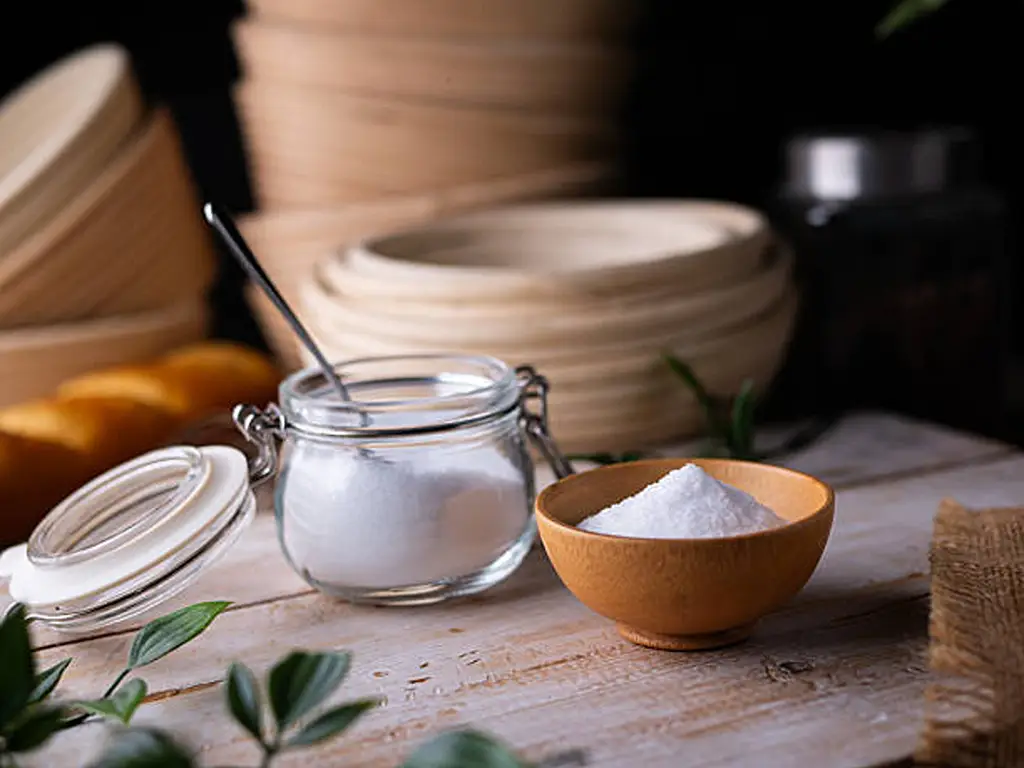
Erythritol is the escape artist. It is rapidly absorbed in the small intestine and leaves your body unchanged in urine, so it contributes almost no calories and rarely causes digestive trouble (PMC review, 2025). Baking guides put absorption around 90%.
Xylitol takes the scenic route. Only about half is absorbed; the rest travels to the colon, where gut bacteria ferment it. That partial absorption is exactly why rapid ingestion of large amounts can lead to osmotic diarrhea (PMC review, 2025). It is also why some researchers describe xylitol as having possible prebiotic effects, while erythritol appears largely inert to the gut microbiome.
Now, the blood-clot studies, because you deserve a straight answer. A 2023 Cleveland Clinic study found that people with higher blood erythritol levels had more heart attacks and strokes, and follow-up work showed that drinking an erythritol-sweetened beverage temporarily increased platelet clotting tendency (Nature Medicine, 2023). Here is what the headlines usually leave out.
Your body already makes both compounds on its own. Xylitol is a normal product of human metabolism at roughly 5–15 mg per day, and endogenous erythritol circulates in your blood right now. “Detected in the blood” is not the same as “put there by your sweetener.”
Because the study participants’ baseline erythritol largely predated widespread erythritol sweetener use, researchers themselves flag a confounding problem: elevated levels may mark metabolic issues rather than cause them. Recent reviews note that studies on IV-dose patients and Mendelian randomization analyses do not link sugar alcohols to significant cardiovascular risk. Small ingestion trials, though, do show a temporary platelet effect (PMC review, 2025). The fair current reading: association is not causation, the dose matters, and long-term outcome data do not exist yet. Neither panic nor complacency is justified. Moderate intake is the defensible default, and anyone with cardiovascular risk factors should raise it with their doctor.
One more metabolic fact with real consequences: in dogs, xylitol triggers a potent insulin release that does not happen in humans, driving life-threatening hypoglycemia within 10 to 60 minutes (FDA, 2024). This is a species difference, not a dose quibble, which is why “keep it away from the dog” has no workarounds.
Physical behavior: why your cookies can tell the difference
In the mixing bowl, the same two molecules behave almost like opposites.
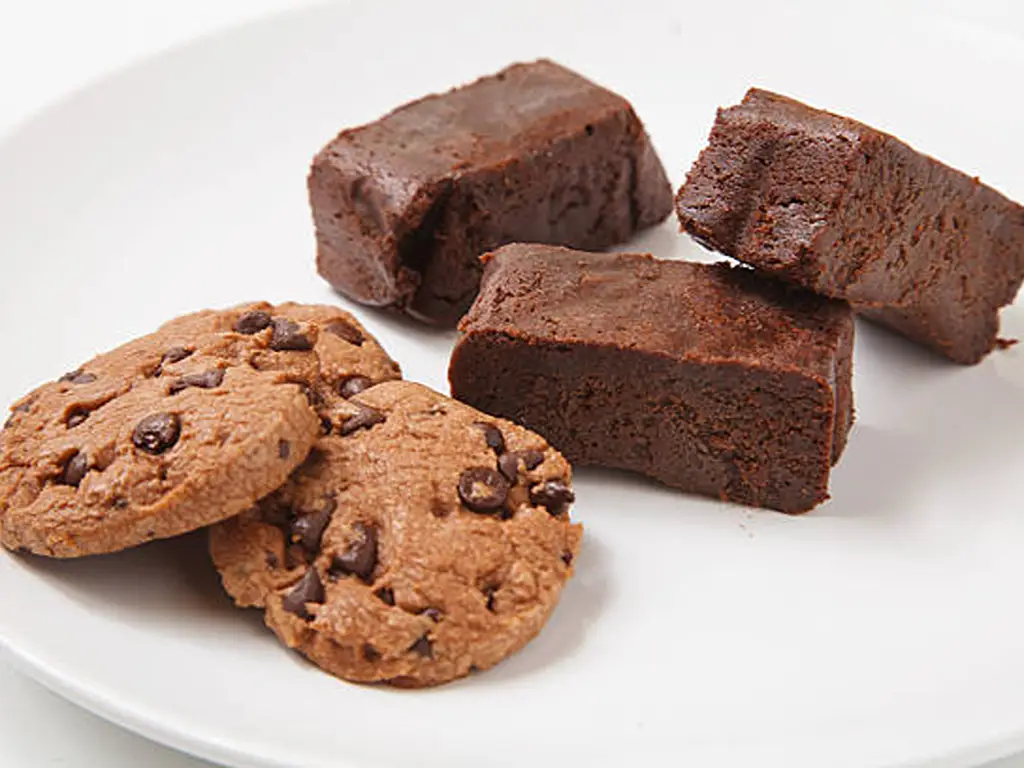
Erythritol has low solubility. It dissolves when heated, then crystallizes back out as the product cools. Here is the twist: that single property is either a flaw or a feature depending on what you are making. In soft cookies and cakes, recrystallization reads as a gritty, sandy surface, and it is the single most common complaint bakers file against erythritol. In crisp cookies, biscotti, and streusel toppings, the same recrystallization delivers the snappy crunch that sugar normally provides. Some home bakers even recommend erythritol for this. Both camps are right; the property did not change, the application did.
Erythritol is also non-hygroscopic. It does not attract or hold water, so erythritol bakes tend to dry out faster and lean crumbly. Xylitol is the opposite: hygroscopic, meaning it pulls moisture from the air and holds it in the crumb, keeping bakes softer for longer, at the cost of turning sticky in humid storage.
On color, xylitol participates moderately in browning reactions and will give cookies a recognizable golden hue. Erythritol barely browns at all, so erythritol cookies come out pale and miss the toasted flavor notes that browning creates. And on the tongue, both produce a cooling sensation because dissolving absorbs heat, but erythritol’s effect is much stronger, noticeable above all in unbaked applications like frosting and glazes.
Where Each One Breaks: A Boundary Map by Application
General verdicts are cheap. Here is where each sweetener actually fails, application by application, and what to do about it.
Application Boundary Map: First Choice, Failure Point, Fix
| Application | First choice | Breaks when | Fix |
|---|---|---|---|
| Soft cookies, cakes | Xylitol | erythritol-only versions turn gritty and dry as they cool | blend erythritol 50/50 with a humectant such as allulose, or switch the main polyol |
| Crisp cookies, biscotti, streusel | Erythritol | grittiness still noticeable in lean, low-fat recipes | use powdered erythritol; nudge fat up slightly |
| Frosting, glazes, no-bake bars | Xylitol | erythritol’s cooling sensation dominates unbaked systems | keep erythritol to a minor share; close the sweetness gap with a high-intensity sweetener |
| Yeast bread | Neither | neither feeds yeast; dough will not rise properly | keep a small amount of real sugar or honey for the yeast, sweeten separately |
| Meringue | Neither | sugar alcohols cannot stabilize foam the way sucrose does | not repairable; use real sugar here |
| Powdered drinks, beverages | Erythritol | large single-serve xylitol doses approach GI tolerance limits | cap the polyol load per serving; blend for sweetness |
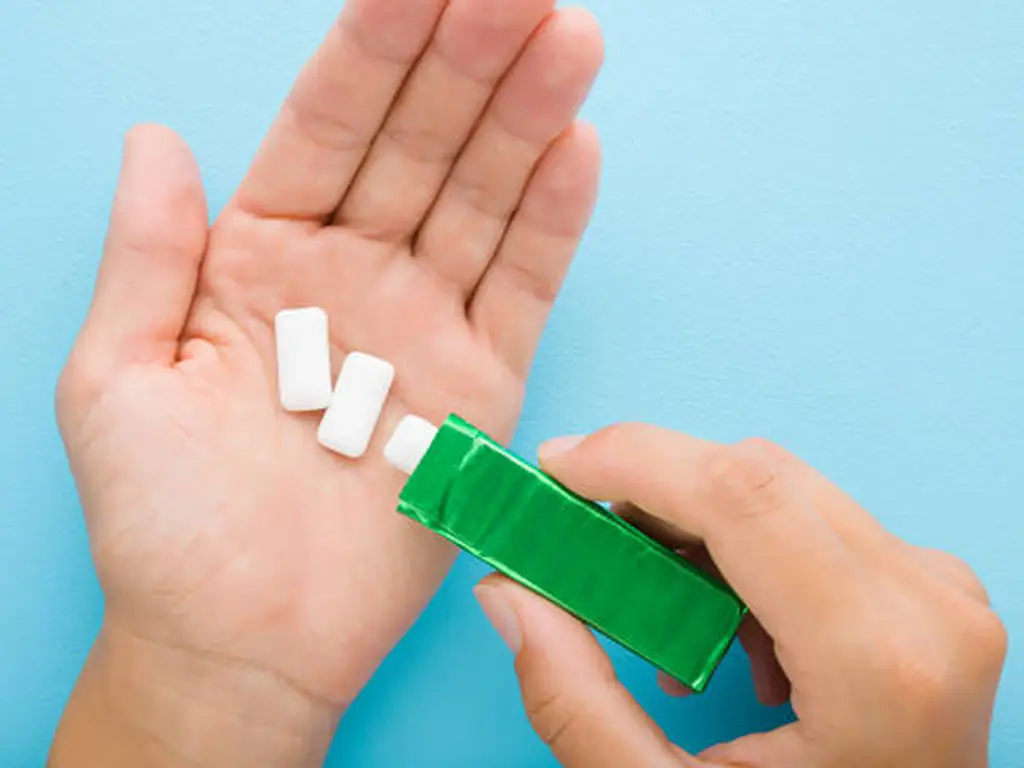
| Confectionery, mints | Either, by texture goal | erythritol recrystallizes grainy in soft chews; xylitol goes sticky in humid storage | control particle size via milling; use moisture-barrier packaging |
| Households with dogs | Erythritol | xylitol is unsafe for dogs in any amount | read labels, including “birch sugar”; store separately |
Sources: Baking-substitution technical guide (2026); FDA (2024)
Three boundaries deserve emphasis because they catch people off guard. First, yeast bread: neither polyol ferments, so the yeast gets nothing to eat. Second, meringue: no fix exists, sucrose is doing structural work that sugar alcohols cannot copy. Third, tolerance is cumulative: a xylitol-sweetened muffin is fine, three across an afternoon is how people discover osmotic diarrhea.
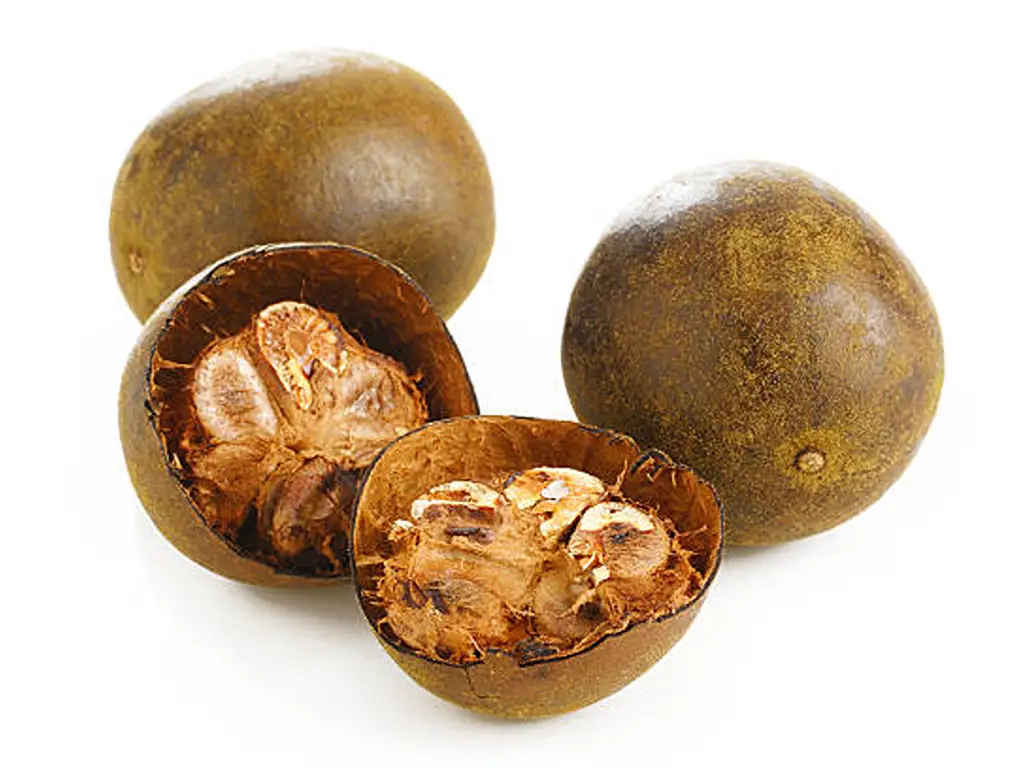
Notice what the “Fix” column keeps converging on: blending. Commercial products got there before home bakers did. Lakanto’s classic blend is erythritol plus monk fruit; Truvia is erythritol plus stevia (bakingsubs technical guide, 2026). A 50/50 erythritol-allulose mix is the home-baker’s version of the same idea: one polyol for bulk and clean taste, partner ingredients to patch moisture and sweetness. The question “xylitol or erythritol” increasingly has a market-wide answer of “both, plus help.”
How to Choose: A Three-Step Decision
Find your hard constraint
Let it pick your main polyol
Patch what gets sacrificed
Step 1: Find the hard constraint. Not preferences, constraints: a diabetic reader’s glucose line, a home-bakery seller’s liability around pets, an IBS-sensitive family member’s dose ceiling. Write yours down. Choosing wrong here is what causes full recipe rework later.
Step 2: Let it pick the main polyol. Strict glucose budget points to erythritol. Sugar-like baking performance points to xylitol. A dog in the kitchen points away from xylitol entirely. The other sweetener is not eliminated; it is demoted to a supporting role.
Step 3: Patch the gap. Erythritol chosen but worried about dry, gritty bakes? Add a humectant partner. Xylitol chosen but watching calories? Reduce total sweetener load. And if you bake for others, label which polyol you used; people with digestive sensitivities and households with pets both need that sentence.
Run the Three Steps Against Real Spec Sheets
Own comparison beats comparison tables. Request both spec sheets and sample quantities and test them in your own line.
Request Spec SheetsFrom Kitchen Logic to Plant Floor: What Buyers Should Specify
Everything above translates directly into procurement language, and the translation is more literal than you might expect.
The home-baker’s failures map one-to-one onto specification parameters. “Gritty cookies” is recrystallization, governed by crystal size and solubility, which is why particle size distribution and mesh belong on your spec sheet. “Sticky in humid storage” is hygroscopicity, controlled through moisture content and packaging; a typical USP/BP/FCC-grade xylitol specification carries an assay window of 98.5–101.0% and water below 0.5%, and erythritol spec sheets follow the same logic with their own targets. “Stomach trouble at scale” is a dose-and-application question, which serious suppliers answer with tolerance and dissolution data rather than adjectives. If your current specification sheet compares only price per kilogram, it is missing the columns where the real failures live.
The price gap between the two polyols is structural, not negotiable. Xylitol starts from hemicellulose-rich feedstock such as corn cobs or birch, which must be hydrolyzed to xylose and then hydrogenated; erythritol is fermented from glucose. Retail references run erythritol at roughly $6–10 per pound against xylitol at $7–12 (bakingsubs technical guide, 2026), and the same logic scales to industrial quotes: different routes, different cost floors, different supply elasticity. Treat the price difference as chemistry, not as margin to squeeze.
Which brings the selection rule to its industrial form. Your hard constraint defines the main polyol per product line: beverages lean on erythritol for tolerance headroom and clean solutions; confectionery weighs crystallization against cooling; bakery weighs moisture retention and browning. The gap left over gets closed with blending, which means the supplier question that actually matters is not “which polyol is cheaper” but “can this supplier deliver both lines, to my specification, with the formulation support to blend them.”
That is the standard we hold our own lines to. Saigao manufactures both xylitol and erythritol product lines, customizes spec parameters across eight published axes (purity, moisture, particle size, packaging and more), and supports blend formulation work. If you are building either polyol into a product, you can request specs and samples from our team directly.
Get Both Spec Sheets and Sample Quantities
USP/BP/FCC-grade xylitol and erythritol from one manufacturer — eight customization axes, free samples within the standard limit, and a 12-hour response to international inquiries.
Request Specs and SamplesReferences
- U.S. Food and Drug Administration. “Paws Off Xylitol; It’s Dangerous for Dogs.” 2024. fda.gov
- Witkowski, M., et al. “The Artificial Sweetener Erythritol and Cardiovascular Event Risk.” Nature Medicine, 2023. pubmed.ncbi.nlm.nih.gov
- Dragomir, N., Grigore, D.-M., and Pogurschi, E.-N. “Beyond Sugar: A Holistic Review of Sweeteners and Their Role in the Food Sector.” Foods, 2025. mdpi.com
- Wölnerhanssen, B.K., et al. “Sweeteners: Erythritol, Xylitol and Cardiovascular Risk — Friend or Foe?” 2025. pmc.ncbi.nlm.nih.gov
- Baking Subs. “Erythritol vs Xylitol for Baking: 6 Key Differences.” 2026. bakingsubs.com
 English
 Russian
 Spanish
 French
 Arabic